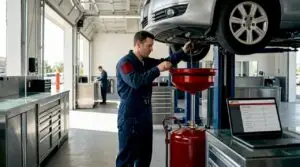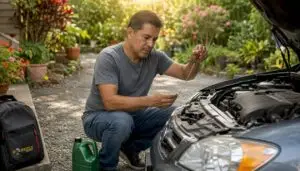

Arlington drivers are dealing with a double challenge right now. Texas eliminated mandatory annual safety inspections for most non-commercial vehicles, which sounds like good news until you realize that the one official checkpoint keeping many drivers honest about maintenance is gone. Add in Arlington’s brutal summer heat, unpredictable spring storms, and road conditions that can quietly destroy tires and suspension, and you have a recipe for expensive surprises. These car care tips Arlington TX drivers actually need go well beyond the basics.
Table of Contents
- Understand key criteria for car care in Arlington
- Seasonal maintenance essentials for Arlington vehicles
- Year-round maintenance tips to protect engine and tires
- Comparing maintenance priorities in the context of Arlington’s climate and laws
- Why proactive car care matters more than ever in Arlington
- Where to get reliable car care services in Arlington, TX
- Frequently asked questions
Key Takeaways
| Point | Details |
|---|---|
| Seasonal maintenance | Perform spring checks on fluids, battery, tires, and lights to prepare for Arlington’s heat. |
| Regular oil changes | Change engine oil every 5,000 to 7,500 miles or earlier based on oil condition. |
| Tire care | Check tire pressure monthly and use the penny test to monitor tread depth. |
| Legal duty | Maintain safe vehicle condition despite Texas removing mandatory annual inspections. |
| Maintain logs | Keep detailed maintenance records to track service and protect vehicle value. |
Understand key criteria for car care in Arlington
The first thing every Arlington driver needs to accept is this: the state removing the inspection requirement does not remove your responsibility. Texas law still holds you liable for operating a vehicle with safe brakes, functioning lights, and roadworthy tires. The inspection just used to be the nudge that kept people on schedule. Now that nudge is gone, and you are on your own.
That shift matters more in Arlington than in most Texas cities. The climate here is genuinely hard on vehicles. Summer temperatures regularly push past 100°F, which accelerates fluid breakdown, degrades rubber seals, and puts serious stress on batteries. Winter brings occasional ice and road salt that attacks undercarriage metal. If you are not proactively checking your vehicle, you will feel it in your wallet eventually.
Here is what every Arlington driver should be tracking now that formal inspections are off the table:
- Legal safety minimums: Brakes, tires, and lights must meet safe operating standards at all times. Check the Texas vehicle inspection rules to understand what those standards look like in practice.
- A personal maintenance log: Write down every oil change, tire rotation, and brake inspection with the date and mileage. This becomes your paper trail for safety and resale value.
- Climate-driven wear: Heat breaks down engine oil faster, UV rays crack rubber hoses, and temperature swings strain your battery. Arlington’s weather is not forgiving.
- Scheduled service intervals: Without an annual inspection forcing a shop visit, you need to build your own schedule around mileage and seasons.
Think of your maintenance log as the replacement for the inspection sticker. It is your proof, to yourself and anyone else, that you are taking this seriously.
Seasonal maintenance essentials for Arlington vehicles
Spring is the most important maintenance window for Arlington drivers. You are coming out of winter road salt exposure and heading straight into months of punishing heat. That transition is where deferred maintenance turns into real damage. Spring checklists for Arlington vehicles recommend covering fluids, battery health, exhaust, suspension, and fuel systems before the heat arrives.
Here is what a thorough spring check looks like for an Arlington vehicle:
- Fluids: Check transmission fluid, coolant, brake fluid, and power steering fluid. Low or dirty coolant in an Arlington summer is asking for an overheated engine on I-20.
- Battery: Heat kills batteries faster than cold does. Test yours now, before a 105°F afternoon leaves you stranded in a parking lot. Good battery health tips can save you from that exact scenario.
- Exhaust and suspension: Look underneath for rust, leaks, or damaged components. Salt from winter roads hides in places you cannot see from the driver’s seat.
- Wiper blades and lights: Replace blades that streak or skip. Test all lights including fog lights, which many drivers forget until they need them in a sudden Texas downpour.
- Tires: Check pressure and tread depth. Tire pressure drops about one PSI for every 10°F drop in temperature, so spring is the time to recalibrate.
- Exterior: Wash and wax to remove winter salt residue and protect your vehicle from Texas weather before the UV damage season begins.
Pro Tip: Book an Arlington spring tune-up before Memorial Day weekend. Shops get busy fast once the heat hits, and a pre-summer appointment means you are not waiting a week for a slot when something actually goes wrong.
Now that we know the seasonal priorities, let’s explore regular year-round maintenance that protects your engine and tires.
Year-round maintenance tips to protect engine and tires
Seasonal checks get you ready for the big transitions, but the real protection comes from consistent habits throughout the year. These are the tasks that quietly add years to your vehicle’s life.

Engine oil is the most important fluid in your car. Change it every 5,000 to 7,500 miles, but do not treat that as a hard rule. Pull the dipstick monthly. If the oil looks dark brown or black instead of amber, or feels gritty between your fingers, change it early. Arlington’s heat accelerates oil breakdown, so your car may need attention sooner than the interval suggests. For more on reading your oil and timing changes right, check these oil change tips Arlington drivers rely on.
Air filters are easy to forget because they fail gradually. A clogged engine air filter chokes your combustion and drops fuel economy. A dirty cabin air filter means you are breathing whatever the filter stopped catching. Replace both annually, or more often if you drive on dusty roads.
Tire care deserves its own routine. Here is a simple monthly process:
- Check tire pressure with a gauge (not by eyeballing it). Use the PSI listed in your door jamb, not the number on the tire sidewall.
- Inspect the tread using the penny test: insert a penny with Lincoln’s head pointing down into the groove. If you can see the top of his head, you are at or below 2/32" tread depth and need new tires.
- Look for uneven wear patterns, which signal alignment or suspension issues.
- Rotate tires every 5,000 to 8,000 miles to extend their life and keep wear even across all four.
Brake inspections should happen at least once a year. Squealing is your brakes sending up a flare. Grinding means metal on metal, which means you waited too long. Reduced pedal responsiveness is a serious warning sign. Do not wait for an annual inspection that no longer exists. Check the pads, rotors, and fluid on a schedule.
| Maintenance task | Recommended interval | Arlington priority level |
|---|---|---|
| Engine oil change | 5,000 to 7,500 miles | High (heat accelerates breakdown) |
| Tire rotation | 5,000 to 8,000 miles | High (prevents uneven wear) |
| Cabin/engine air filters | Annually | Medium |
| Battery test | Every spring and fall | High (heat kills batteries) |
| Brake inspection | Annually or at first warning sign | Critical |
| Coolant flush | Every 2 years or per manufacturer | High (essential for summer) |
Pro Tip: A failing battery rarely gives you much warning. Pair your spring battery test with a check of your timing belt maintenance schedule. A snapped timing belt is one of the most expensive failures you can face, and it is entirely preventable.
Comparing maintenance priorities in the context of Arlington’s climate and laws
Let’s put this in perspective. Before 2025, the annual inspection gave every Texas driver a forced reset point. A certified inspector would catch obvious safety failures, and that created at least one guaranteed touchpoint per year. That touchpoint is gone now.
Here is how that change stacks up against what Arlington’s climate already demands:
| Factor | Before inspection removal | After inspection removal |
|---|---|---|
| Official safety checkpoint | Annual state inspection | None for most vehicles |
| Legal responsibility | Same as now | Unchanged, fully on the owner |
| Climate-driven wear | Always present | Always present, now self-managed |
| Maintenance tracking | Inspection record helped | Personal log is now essential |
| Risk of deferred maintenance | Caught at inspection | No external catch, owner bears full risk |
The honest reality is that drivers who were already maintaining their vehicles well barely notice the change. The drivers who relied on the inspection as their only reminder are now flying blind. Arlington’s heat, UV exposure, and occasional winter road salt mean the vehicle is working harder than it would in a milder climate. Deferring maintenance here costs more than it would in, say, Denver.
Balancing DIY checks with professional service is the smart play. You can handle monthly tire pressure checks, fluid top-offs, and visual inspections yourself. But battery testing, brake inspections, and anything involving the undercarriage or engine internals should go to a certified shop. A solid maintenance schedule Arlington built around your actual mileage gives you the structure that the inspection used to provide.
Why proactive car care matters more than ever in Arlington
Here is a perspective that most maintenance articles skip: the annual inspection was never really about the state catching unsafe cars. It was about giving drivers a socially acceptable reason to visit a shop once a year. Nobody wants to be the person who fails inspection. That mild social pressure kept a lot of vehicles from becoming road hazards.
Without it, the only motivation left is your own. And that is actually a better system, if you take it seriously. Losing the annual inspection reset point makes keeping a detailed maintenance log more important than ever, both for your safety and for your legal standing if you are ever in an accident and someone argues your vehicle was not roadworthy.
There is another angle most people miss: resale value. A well-documented maintenance history is worth real money when you sell or trade in a vehicle. Buyers and dealers pay attention to it. A car with a clear log of oil changes, tire rotations, and brake services commands a better price than an identical car with no records.
And then there is undercarriage rust. Arlington drivers who park outside are exposed to UV, moisture, and occasional road salt. Rust starts in places you cannot see from a normal standing position. Getting underneath your vehicle once or twice a year, or having a shop do it as part of a service visit, catches rust before it becomes structural damage. Use an inspection checklist Arlington to make sure nothing gets missed.
Proactive care is not about being obsessive. It is about catching a $30 problem before it becomes a $3,000 one.
Where to get reliable car care services in Arlington, TX
You now have a clear picture of what your vehicle needs and when. The next step is making sure the service you get is actually worth your time and money.
At Express Lube & Car Care, we handle everything from quick oil change specials Arlington drivers count on to full engine diagnostics Arlington when something more serious is going on. Our ASE-certified technicians bring real expertise to every job, and our RepairPal Certified and CarFax Top-Rated Shop status means you are not just taking our word for it. We built our reputation on fast turnaround, honest assessments, and service that actually solves the problem. If you are ready to replace the old inspection routine with something better, our certified auto repair Arlington team is here to help you build a maintenance plan that fits your vehicle and your schedule.
Frequently asked questions
What are the most important car maintenance tasks for Arlington drivers?
Key tasks include regular fluid checks, battery testing, tire pressure and tread monitoring, brake inspections, and seasonal prep like replacing wiper blades and testing lights. A spring checklist for Arlington covers all of these before the heat season begins.
Do I still need to have my car inspected annually in Arlington?
No. Texas eliminated annual inspections for most non-commercial vehicles starting in 2025, but you are still legally required to keep your vehicle in safe operating condition.
How often should I change my engine oil in Arlington’s climate?
Most vehicles need an oil change every 5,000 to 7,500 miles, but check the oil color and texture monthly. Dark or gritty oil means change it sooner, especially in Arlington’s heat.
How can I check if my tires need replacement?
Insert a penny into the tread groove with Lincoln’s head pointing down. If the top of his head is visible, your tread is too low and the tires need replacing. Also check tire pressure monthly against the PSI listed in your door jamb.
What should I do if I notice a brake problem?
Squealing, grinding, or a soft pedal are all signals to get your brakes inspected right away. Brake issues like these get more expensive and more dangerous the longer you wait.