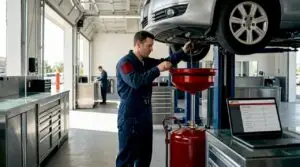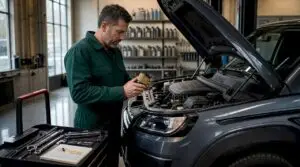

If you own one plumbing van, you simply track oil changes. However, relying on dashboard warning lights for five vans is a recipe for disaster. That is exactly why fleet vehicle services exist. Rather than reacting to sudden breakdowns at a local mechanic, this proactive approach maintains your business assets before they ever fail.
Industry data reveals a broken truck costs far more than the repair bill. Experts call this the “Downtime Tax”—the hidden financial drain of missed jobs and idle employees while a van sits in the shop. Proper fleet services eliminate this expense by minimizing unscheduled vehicle downtime. Because personal maintenance habits fail at scale, a structured system becomes essential for anyone whose income depends on wheels.
How Preventative Maintenance Scheduling Stops a $50 Oil Change from Becoming a $5,000 Engine Swap
When you drive your personal car, a dashboard sticker reminds you it is time for an oil change. But when you manage a half-dozen local delivery vans, waiting for warning lights means risking costly downtime. That is where preventative maintenance scheduling comes in. Think of it as “Predictive Health.” Just like a dentist schedules your routine cleaning to prevent a painful root canal, this approach tracks exact maintenance intervals for your entire group of vehicles. It completely removes the mental load of guessing which van needs a mechanic.
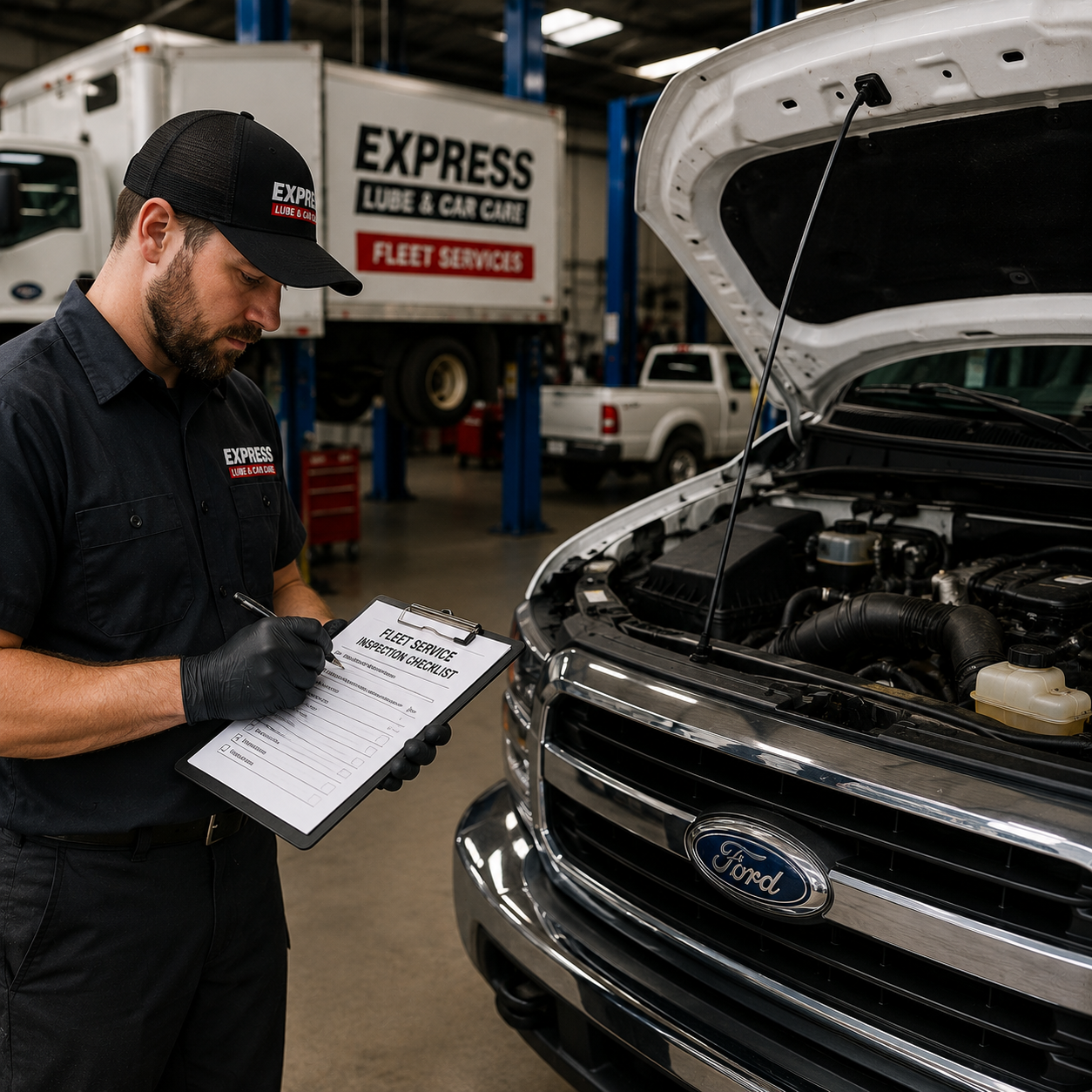
Catching these problems early does not require an engineering degree. A dependable fleet car service relies on a basic preventive maintenance checklist for trucks and vans that catches 80% of major failures before they happen:
- Fluids: Checking oil and coolant to stop engines from overheating.
- Tires: Inspecting tread wear to avoid dangerous highway blowouts.
- Brakes: Swapping out worn pads so your drivers can always stop safely.
Regular checks turn sudden, business-stopping disasters into predictable, routine expenses. You avoid a $5,000 engine swap because you planned for a $50 oil change. A strong mechanical foundation is just the beginning; connecting vehicles directly to the home office creates a digital nervous system for your overall business operations.
Using Real-Time GPS Tracking as a ‘Digital Nervous System’ for Your Business
Have you ever used a smartphone map to avoid traffic? Imagine applying that real-time awareness to the inner workings of ten plumbing vans. This is the core of telematics—a technology that acts as a digital nervous system for your vehicles. Through real-time GPS tracking systems, the home office receives alerts about engine trouble before the driver even sees a warning light.
Beyond simply knowing where your vans are, this connection actively saves money by charting the smartest path. By using route optimization software features, businesses eliminate overlapping trips and reduce useless “dead miles” where an empty truck just burns gas. Instead of drivers crisscrossing town inefficiently, the system ensures the closest vehicle always handles the next stop.
Keeping a close eye on the road also pays off by protecting your team. One of the hidden benefits of fleet telematics is monitoring harsh braking or rapid acceleration. This encourages safe driving habits and often helps small businesses secure lower insurance premiums. Reducing these daily fuel and risk expenses reveals the true nature of vehicle costs, where the sticker price represents only a fraction of the total investment.
The ‘Iceberg Metaphor’ of Vehicle Costs: Why the Sticker Price is Only the Tip
When purchasing a work van, the initial sticker price is just the tip of the iceberg. Below the water line sits the massive, hidden weight of fuel, insurance, and routine maintenance. Effectively managing total cost of ownership means tracking every dollar spent over the vehicle’s life rather than just the monthly payment. This reality forces small businesses to carefully weigh company car leasing vs buying. Buying provides an asset your company fully owns, but leasing offers predictable costs and regular upgrades that keep surprise repair bills from sinking your budget.
Eventually, every truck reaches a point where keeping it running costs more than replacing it. Hitting the “sweet spot” to sell your vehicle before catastrophic breakdowns occur is the main goal of asset lifecycle management strategies. You can accurately determine a commercial vehicle’s retirement age by monitoring three critical factors:
- Rising repair costs that begin to erase your daily profit margins
- Declining fuel efficiency as older, heavily driven engines wear down
- The shifting resale value on the current used vehicle market
Balancing these financial scales directly supports regulatory compliance and proactive driver safety initiatives.
Keeping the DOT Happy and Your Drivers Safe: The Hidden Value of Performance Monitoring
Getting a ticket in your personal car is frustrating, but for a commercial van, it costs a business valuable time and reputation. Ensuring compliance with DOT regulations—the federal safety rules for commercial trucks—doesn’t require a law degree. Modern fleet services act like a digital co-pilot, automatically logging driving hours to keep inspectors happy. This technology also enables driver safety performance monitoring, which functions as a daily scorecard for your team by tracking habits like hard braking or speeding.
Rather than using this data solely to punish mistakes, smart owners use it to reward their safest drivers. Smooth driving creates less wear on tires and prevents accidents, while significantly improving fleet fuel efficiency. When your team stops slamming the gas at green lights, fuel bills shrink and insurance rates drop. Seeing how daily habits connect to your bottom line makes managing vehicles far less intimidating. Implementing these foundational strategies allows a smooth transition from reactive repair to proactive fleet management.
Your 3-Step Action Plan to Transition from Reactive Repair to Proactive Fleet Management
Managing multiple work vehicles no longer means waiting for a stressful breakdown. You can shift from a stressed owner to an organized manager by establishing a straightforward maintenance framework:
- Audit: Identify your highest-risk vehicle today.
- Software: Explore fleet management software benefits, picking basic tools for your current needs rather than future complexities.
- Partner: Search for proactive fleets near me or mobile fleet repair options, asking providers exactly how they prevent future issues.
Taking control allows you to focus entirely on growing your business instead of running a makeshift repair shop. Execute a quick vehicle audit this week to establish a baseline, and secure the peace of mind that comes from knowing your team is safe and ready for the road.
Industries That Benefit from Fleet Vehicle Services
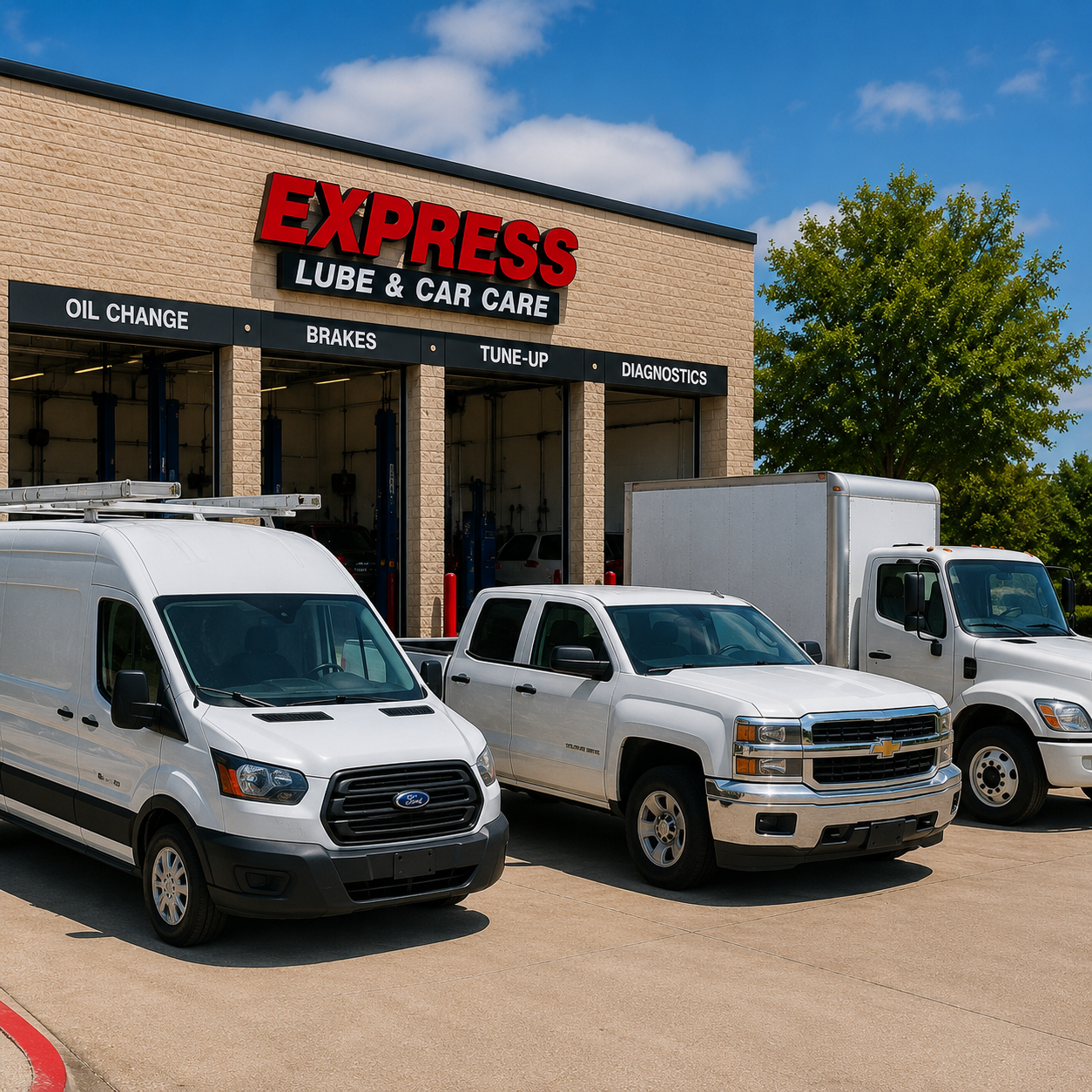
Fleet maintenance services are essential for businesses that rely on vehicles every day to serve customers, deliver products, or transport equipment. Whether you operate a small local fleet or manage multiple commercial vehicles across Arlington, preventative maintenance helps reduce downtime and improve operational efficiency.
Businesses that commonly use fleet services include:
- Plumbing companies
- HVAC contractors
- Electrical service companies
- Delivery and courier businesses
- Landscaping companies
- Construction contractors
- Pest control providers
- Real estate and property management companies
- Medical transportation services
- Mobile repair and installation businesses
Keeping these vehicles properly maintained helps businesses avoid scheduling disruptions, missed appointments, and costly repair emergencies.
Why Local Fleet Maintenance Matters
Working with a local fleet maintenance provider gives businesses faster access to inspections, repairs, and preventative service scheduling. Instead of sending drivers across town to different repair facilities, businesses can streamline maintenance with one dependable service partner.
Local fleet service providers also understand regional driving conditions, traffic patterns, and weather-related vehicle stress that can affect maintenance schedules. In Arlington and surrounding Texas areas, heat, stop-and-go traffic, and extended driving hours can increase wear on engines, brakes, tires, and cooling systems.
Routine fleet inspections help identify small issues before they lead to expensive breakdowns that interrupt business operations.
Common Fleet Maintenance Services
A complete fleet maintenance program includes far more than oil changes. Preventative maintenance focuses on keeping every vehicle reliable, safe, and road-ready throughout the year.
Common fleet vehicle maintenance services include:
- Oil and filter changes
- Brake inspections and repairs
- Tire rotations and replacements
- Battery testing and replacement
- Cooling system inspections
- Transmission service
- Suspension and steering inspections
- Engine diagnostics
- Air conditioning service
- Windshield wiper replacement
- Fluid level checks and top-offs
- DOT safety inspections
Regular maintenance intervals help extend vehicle lifespan while improving fuel efficiency and driver safety.
Fleet Vehicle Service FAQ
How often should fleet vehicles be serviced?
Fleet vehicle service intervals depend on mileage, driving conditions, and vehicle usage. Commercial vehicles that operate daily often require more frequent inspections and maintenance than personal vehicles. Many businesses schedule preventative fleet maintenance every few thousand miles to reduce the risk of unexpected breakdowns.
What are the benefits of preventative fleet maintenance?
Preventative maintenance helps reduce downtime, improve vehicle reliability, extend engine life, increase fuel efficiency, and lower long-term repair costs. Businesses that follow regular service schedules often experience fewer emergency repairs and better overall fleet performance.
Can fleet maintenance reduce operating costs?
Yes. Properly maintained vehicles typically consume less fuel, experience fewer breakdowns, and require fewer major repairs over time. Preventative maintenance also helps businesses avoid lost revenue caused by vehicles being out of service unexpectedly.
Keep Your Fleet Running Efficiently
Managing commercial vehicles does not have to become a constant source of stress and unexpected expenses. A proactive fleet maintenance strategy helps businesses stay organized, improve driver safety, and reduce operational disruptions.
By investing in routine inspections, preventative maintenance scheduling, and professional fleet service support, businesses can protect their vehicles, employees, customers, and long-term profitability.