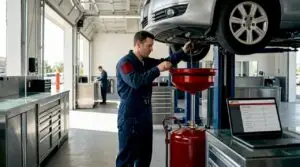

Most drivers pull into a quick lube shop thinking they’re just getting an oil change. That’s the common assumption. But here’s what’s actually happening: many quick lube providers bundle a multi-point inspection with every visit, checking everything from your tire pressure to your brake fluid, all in under 20 minutes. That’s a lot more than a simple oil swap. Understanding exactly what’s included in a quick lube service helps you make smarter decisions about your vehicle’s health, spot potential problems early, and get the most value out of every maintenance visit.
Table of Contents
- What is a quick lube service?
- Core services included in a quick lube visit
- What’s actually checked during a multi-point inspection?
- Fluids, filters, and more: What else might be included?
- How often should you get a quick lube service?
- The real value of quick lube: What most drivers overlook
- Get reliable quick lube and auto service in Arlington
- Frequently asked questions
Key Takeaways
| Point | Details |
|---|---|
| More than just oil | Quick lube services typically include oil changes plus multi-point inspections and fluid top-ups. |
| Time-efficient | Most visits are completed in 15–20 minutes with no appointment needed. |
| Comprehensive checks | Key vehicle systems like fluids, filters, and lights are inspected for issues. |
| Regular service is crucial | Getting routine quick lube keeps your vehicle safe and helps catch small issues early. |
What is a quick lube service?
Quick lube shops are built around one idea: fast, reliable vehicle maintenance without the hassle of a full dealership appointment. You drive in, stay in your car in many cases, and drive out with a freshly serviced vehicle in less time than it takes to grab lunch.
The core of every quick lube visit is the oil change. Fresh oil keeps your engine lubricated, reduces friction, and prevents overheating. But the service doesn’t stop there. Most modern quick lube providers have expanded their offerings well beyond a simple drain and fill. Some quick lube providers market a multi-point inspection bundled with the oil change, turning what used to be a one-task stop into a mini wellness check for your car.
Here’s what makes quick lube different from a traditional mechanic visit:
- Speed: Most visits are completed in under 20 minutes
- Convenience: No appointment needed at many locations
- Routine focus: Designed for preventive maintenance, not major repairs
- Transparency: Technicians often walk you through what they find
Quick lube services are your vehicle’s first line of defense. Think of them as regular check-ins that catch small issues before they snowball into expensive problems.
If you want to stay ahead of your vehicle’s needs, browsing auto maintenance tips is a great starting point for building a solid routine.
Core services included in a quick lube visit
Now that you know what quick lube service means, let’s break down exactly what happens during your visit.
Every quick lube appointment centers on a few non-negotiables. The oil change and filter replacement are always included. Beyond that, most reputable providers layer in a multi-point inspection that covers a surprisingly wide range of your vehicle’s key systems.

Valvoline describes an 18-point inspection as part of their standard oil change service, which gives you a good benchmark for what quality quick lube looks like industry-wide.
Here’s a side-by-side look at what’s typically included across standard quick lube packages:
| Service component | Standard quick lube | Premium quick lube |
|---|---|---|
| Oil change and filter | ✓ | ✓ |
| Tire pressure check | ✓ | ✓ |
| Fluid level inspection | ✓ | ✓ |
| Air filter inspection | ✓ | ✓ |
| Wiper blade check | ✓ | ✓ |
| Lights check | ✓ | ✓ |
| Cabin air filter inspection | Sometimes | ✓ |
| Battery test | Sometimes | ✓ |
| Transmission fluid check | Sometimes | ✓ |
| Coolant top-off | Sometimes | ✓ |
Pro Tip: Always ask your technician for a printed copy of your inspection results. That paper trail helps you track what’s been checked and what might need attention at your next visit.
Here’s the typical flow of a quick lube visit, step by step:
- You pull in and a technician greets you to confirm your vehicle details
- The oil is drained and the old filter is removed
- Fresh oil and a new filter are installed to manufacturer specifications
- The technician runs through the multi-point inspection checklist
- Any flagged items are communicated to you clearly
- You pay, get your paperwork, and you’re on your way
For a deeper look at what’s covered during your appointment, check out the oil change and inspection details available at Express Lube Arlington.
What’s actually checked during a multi-point inspection?
Understanding the main features, let’s look closer at the details of the inspection points that set quick lube services apart.
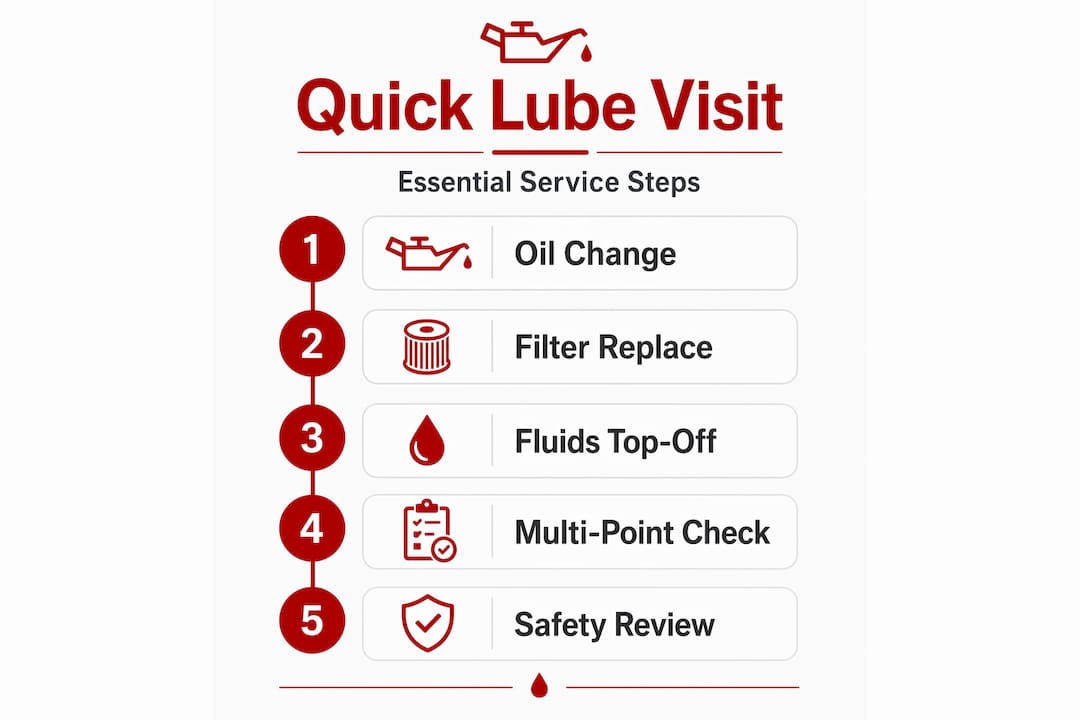
A multi-point inspection is exactly what it sounds like: technicians check multiple systems on your vehicle in a structured, methodical way. It’s not a deep-dive diagnostic, but it covers the most common failure points that drivers overlook between visits.
Valvoline’s 18-point inspection includes checks for air filter condition, exterior lights, tire pressure, and more. Here’s a closer look at the types of items typically on that checklist and why each one matters:
- Engine air filter: A clogged filter starves your engine of clean air, reducing fuel efficiency and performance
- Headlights and taillights: Burned-out bulbs are a safety hazard and a quick fix when caught early
- Wiper blades: Worn blades reduce visibility in rain, which is especially important during Texas storm season
- Brake fluid level: Low brake fluid can signal a leak or worn brake pads, both serious safety concerns
- Tire pressure: Under-inflated tires wear faster, reduce fuel economy, and increase blowout risk
- Belts and hoses: Cracked or frayed belts can snap without warning, leaving you stranded
- Battery terminals: Corrosion on terminals can cause starting issues and electrical problems
Here’s a quick reference table showing each checkpoint and its importance:
| Inspection point | Why it matters |
|---|---|
| Engine air filter | Protects engine performance and fuel economy |
| Brake fluid | Safety-critical; signals brake system health |
| Tire pressure | Affects handling, fuel economy, and tire life |
| Headlights and taillights | Legal requirement and visibility safety |
| Wiper blades | Essential for safe driving in wet conditions |
| Belts and hoses | Prevents unexpected breakdowns |
| Battery terminals | Ensures reliable starting and electrical function |
Catching a cracked belt during a routine quick lube visit is the difference between a minor fix and being towed off the highway. These inspections are your early warning system.
If you want to see how quick lube inspections compare to a more formal vehicle check, take a look at our car inspection checklist or learn about the Texas state vehicle inspection process.
Fluids, filters, and more: What else might be included?
Inspection points are important, but so are the supplementary services included in many quick lube packages.
Your vehicle runs on more than just engine oil. It relies on a whole network of fluids, each doing a specific job to keep things running smoothly. Quick lube providers may check and refill coolant, brake fluid, power steering fluid, and inspect air filters as part of their standard service.
Here’s a breakdown of the fluids and components commonly assessed during a quick lube visit:
- Windshield washer fluid: Topped off so you always have clear visibility
- Engine coolant: Keeps your engine from overheating, especially critical in Texas summers
- Transmission fluid: Ensures smooth gear shifts and protects your transmission from wear
- Brake fluid: Hydraulic fluid that makes your brakes work; low levels are a red flag
- Power steering fluid: Keeps steering smooth and responsive
- Cabin air filter: Filters the air inside your car; a dirty one affects air quality and HVAC efficiency
- Engine air filter: As mentioned, directly impacts engine performance
- Battery: Some providers include a quick battery health check to catch failing batteries early
Each of these items has a real impact on your driving experience and your wallet. A low coolant level that goes unnoticed can lead to engine overheating. A neglected cabin filter means you’re breathing in dust, pollen, and debris every time you run the AC.
Pro Tip: If your technician flags a dirty cabin air filter, don’t ignore it. In the DFW area, where dust and pollen levels run high, a fresh cabin filter makes a noticeable difference in air quality and can even improve your AC’s performance.
Replacing a cabin filter costs a fraction of what you’d spend dealing with an HVAC system clogged with debris. Same goes for topping off fluids versus repairing the damage caused by running dry. These small investments add up to big savings over time.
For a full breakdown of fluid services and what each one does for your vehicle, our fluid exchange guide walks you through everything you need to know.
How often should you get a quick lube service?
Once you know what’s included in service, the next step is timing your visits for the best protection and value.
Frequency matters just as much as what’s done during the visit. Getting a quick lube service too infrequently means your engine is running on degraded oil and your inspection points go unchecked for too long. Here’s how to figure out the right schedule for your vehicle:
- Check your owner’s manual first. Manufacturers specify oil change intervals based on your engine type and oil grade. Modern synthetic oils often last 5,000 to 7,500 miles, while conventional oil typically needs changing every 3,000 miles.
- Consider your driving conditions. Short trips, stop-and-go traffic, extreme heat, and towing all put extra stress on your engine and fluids. If you drive in these conditions regularly, lean toward more frequent changes.
- Watch your dashboard. Most newer vehicles have an oil life monitor that calculates when you need a change based on actual driving data, not just mileage.
- Know the warning signs. Yellowed or dark oil on the dipstick, a louder-than-usual engine, or a dashboard oil light are all signals to get in sooner rather than later.
Valvoline performs its full quick lube service in less than 15 minutes, which means there’s really no good excuse to put off your next visit. When a service takes less time than a coffee run, sticking to your schedule becomes genuinely easy.
Pro Tip: Set a recurring reminder on your phone for every 3,000 to 5,000 miles depending on your oil type. Pair it with your next visit date so you’re never caught off guard by an overdue oil change.
For drivers in Arlington who want to stay on top of their schedule, fast oil changes are available without the long wait times of a dealership. You can also browse oil change tips to fine-tune your routine, or check out current oil change specials to save on your next visit.
The real value of quick lube: What most drivers overlook
Here’s an opinion you might not hear often: the oil change itself is almost the least important part of a quality quick lube visit. What really matters is the inspection.
Think about it this way. Engine oil is a consumable. You know it needs to be changed. But the multi-point inspection? That’s where the real value hides. It’s the part of the visit that can catch a fraying belt before it snaps on I-20, or flag a brake fluid issue before your stopping distance starts creeping up in ways you haven’t noticed yet.
Most drivers treat quick lube as a maintenance chore. Get in, get out, check the box. But the smarter way to look at it is as a regular conversation with someone who knows cars. Every visit is a chance for a trained technician to look at your vehicle with fresh eyes and spot something you’ve been driving past for weeks.
There’s also a financial argument that doesn’t get made enough. Consistent quick lube visits, done on schedule, lower your total cost of vehicle ownership. Not in a vague, theoretical way. In a very concrete way. A $50 oil change that catches a low coolant level saves you from a $1,500 engine repair. A wiper blade flagged during an inspection costs $20 to replace versus the cost of an accident caused by zero visibility in a rainstorm.
Regular maintenance advice isn’t just about following rules. It’s about protecting an asset you depend on every single day. Your car gets you to work, to your kids’ school, to the grocery store. Treating quick lube as a genuine investment rather than a nuisance changes how you approach the whole thing.
The drivers who get the most out of their vehicles aren’t necessarily the ones who spend the most. They’re the ones who show up consistently, pay attention to what technicians tell them, and act on small issues before they become big ones.
Get reliable quick lube and auto service in Arlington
Ready for your next quick lube service? Here’s where to find trusted options in Arlington.
At Express Lube & Car Care, we go well beyond the basics. Our ASE-certified technicians bring real expertise to every visit, whether you’re coming in for a routine oil change or something more involved.
We’re proud to be a RepairPal Certified Shop and a CarFax Top-Rated Service Center, which means you’re not just taking our word for it. Those certifications are earned through consistent, verified quality. Check out our current oil change specials in Arlington to find the best deal for your vehicle, or visit Express Lube Arlington to learn more about everything we offer. Fast service, honest inspections, and a team that actually cares about keeping your car on the road.
Frequently asked questions
Is a quick lube oil change really as thorough as a dealership service?
Quick lube shops often match dealership thoroughness with bundled inspections, but always ask for the specific checklist they use. Some quick lube providers market a multi-point inspection alongside the oil change, covering many of the same points a dealership would check.
How long does a typical quick lube visit take?
Most quick lube services are completed in under 20 minutes, and Valvoline’s full-service inspection takes less than 15 minutes, making it easy to fit into any schedule.
Do quick lube shops check all fluids in my car?
Most providers check and top up major fluids as part of their multi-point inspection. Quick lube providers may check coolant, brake fluid, and power steering fluid along with other key systems during a standard visit.
Are quick lube inspections enough for Texas vehicle safety requirements?
Quick lube inspections cover many basic safety points but are not a substitute for the official Texas state vehicle inspection, which is a separate legal requirement for registration renewal.
Can I use quick lube services for my newer or high-mileage car?
Quick lube services work well for vehicles of any age or mileage level. Just follow your manufacturer’s recommended oil type and change intervals, and your technician can help guide you if you’re unsure.