
TL;DR:
- Worn brake pads are the main cause of brake failure, and warning signs appear long before danger. Listening for noises, feeling pedal changes, and visual checks help identify brake wear early. Addressing signs like squeals or reduced pedal firmness promptly can prevent costly repairs and ensure safety.
Worn brake pads are the leading cause of preventable brake system failure, and the signs brakes need replacing appear well before anything dangerous happens. Your brakes send up flares through sound, feel, and appearance, often weeks or even months before they give out. Brake warning signs occur in multiple layers long before failure, yet most drivers ignore them until the repair bill doubles. Knowing what to look for puts you back in control of your safety and your wallet.
What are the most common signs brakes need replacing?
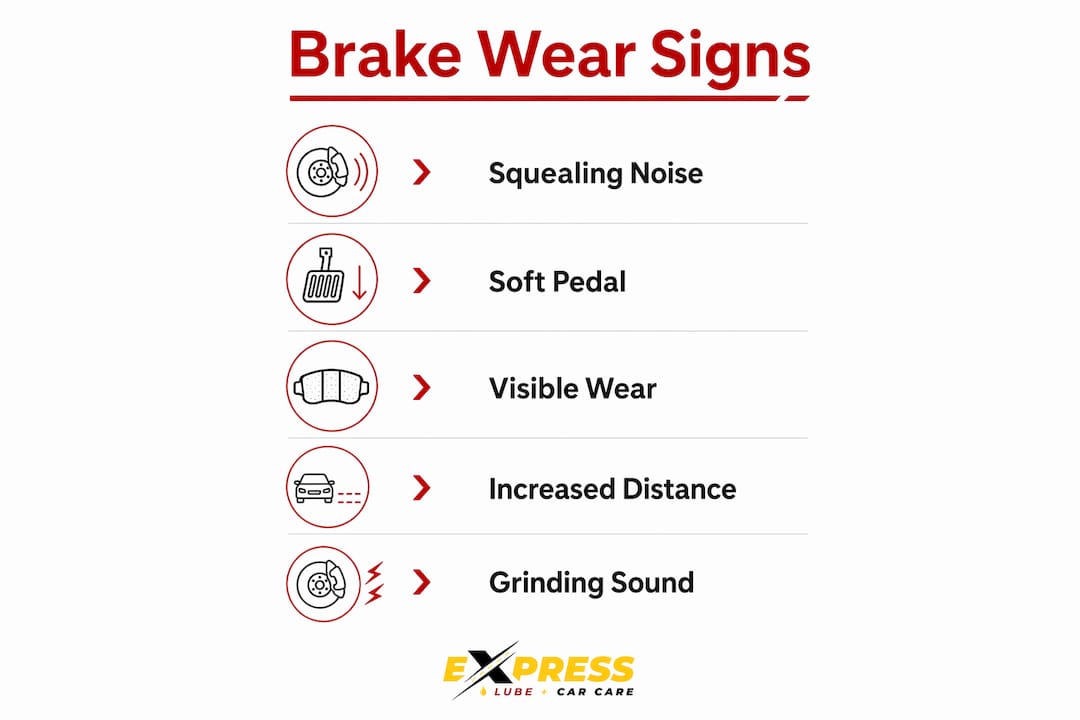
The clearest brake warning signs fall into three categories: noise, pedal feel, and visible wear. Each category tells a different part of the story, and catching any one of them early saves you from a much bigger problem down the road. Brake-related failures account for 22% of all vehicle crashes caused by component failure. That number makes early detection less of a suggestion and more of a safety requirement.
The industry term for the friction material on your brake pads is “brake lining.” When that lining wears thin, your entire stopping system loses its ability to do its job. Brake pads need replacement at 3 mm or less of remaining friction material, with 4 mm as the planning threshold and 2 mm or less considered urgent. Think of 3 mm as your yellow light and 2 mm as your red.
What sounds tell you your brakes are going bad?
Brake noise is your car’s way of talking to you, and it pays to listen. Different sounds mean different things, and knowing the difference helps you act at the right time instead of too late. Here is what each noise is telling you:
- High-pitched squeal or screech: This is the wear indicator doing its job. Most brake pads include a small metal tab designed to scrape the rotor when the lining gets thin. That ear-splitting squeal is not a random noise. It is a built-in alarm.
- Grinding or metal-on-metal growl: Grinding noise signals worn pads with metal-on-metal contact, requiring immediate service. At this stage, you are damaging the rotor with every stop, which turns a $150–$350 pad replacement into a much more expensive rotor job.
- Rattling or clunking when braking: This usually points to loose hardware, a worn caliper bracket, or a brake pad that has shifted out of position. Check out the role of the brake caliper to understand why a loose caliper is not something to sit on.
- Soft, low-pitched rubbing after sitting overnight: A thin layer of surface rust can form on rotors after rain or a few idle days. This sound typically clears after a few stops. If it does not clear, the problem is deeper.
Pro Tip: Roll down your windows in a quiet parking lot and brake gently at low speed. Eliminating road noise and wind makes it much easier to isolate where a brake sound is coming from.
Brake noises are progressive and worsen without repair. A squeal that you ignore today becomes a grind next month, and a grind that you ignore becomes a rotor replacement next quarter. None of these sounds go away on their own.
How does brake pedal feel reveal signs of failing brakes?
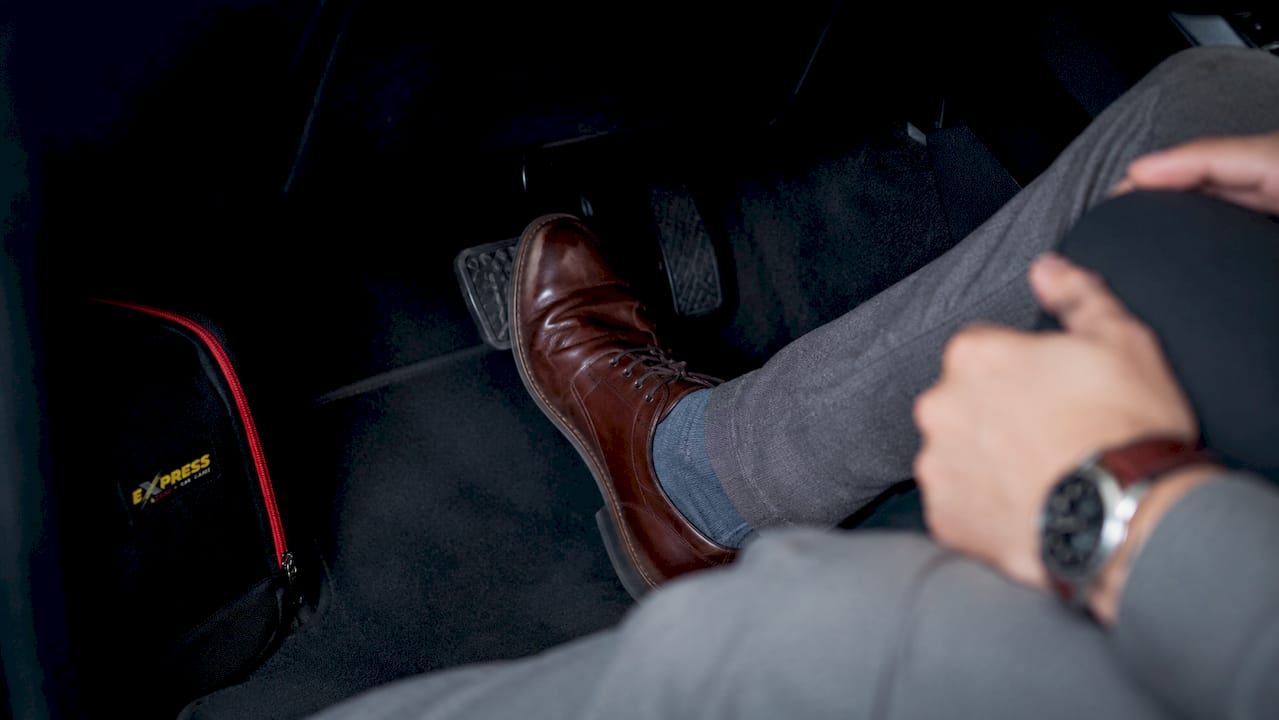
Your brake pedal is a direct line of communication from the brake system to your foot. Changes in how it feels are some of the most telling signs of worn brake pads or deeper hydraulic problems. Pay attention to these tactile signals.
A spongy or soft pedal means the pedal sinks further than normal before the brakes engage. This usually points to air in the brake lines or a hydraulic fluid issue. Either way, it is a sign the system is not building pressure the way it should, and that affects your stopping distance in an emergency.
Pedal vibration or pulsation feels like a rapid shudder under your foot when you brake. Vibrations are often caused by warped rotors or glazing resin, both of which require professional inspection to diagnose correctly. Drivers frequently misread this symptom as a tire balance issue. A professional inspection confirms the actual source. You can read more about brake problem symptoms to cross-reference what you are feeling.
Increased stopping distance is the most dangerous tactile sign. If your car takes noticeably longer to stop than it used to, your braking performance is already compromised. This is especially dangerous in wet conditions or sudden stops.
Pro Tip: Find an empty parking lot and perform a firm, controlled stop from 30 mph. If the car pulls to one side or the pedal feels inconsistent, you have an uneven wear or hydraulic issue that needs a shop visit.
What visual inspections reveal worn brake pads and rotor damage?
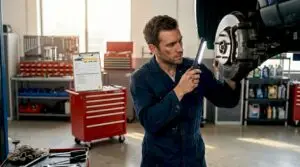
You do not need a lift or special tools to get a useful visual read on your brakes. A flashlight and a few minutes of your time can tell you a lot. Here is how to play detective without getting under the car.
Checking brake pad thickness through the wheel
Look through the spokes of your wheel at the brake rotor. The brake pad is pressed against the rotor by the caliper. If the friction material you can see is thinner than a quarter-inch (roughly 6 mm), start planning a replacement. At 3 mm, schedule it. At 2 mm, do not wait.
| Pad thickness | Condition | Recommended action |
|---|---|---|
| 6 mm or more | Good | Continue regular monitoring |
| 4–5 mm | Fair | Plan replacement soon |
| 3 mm | Worn | Schedule replacement now |
| 2 mm or less | Critical | Replace immediately |
Reading your rotor surface
A healthy rotor has a smooth, even surface. Deep grooves, heavy scoring, or a visible lip around the outer edge all indicate rotor wear. Grooves deeper than about 1 mm typically mean the rotor needs machining or replacement alongside the pads.
Checking brake fluid color
Pull the brake fluid reservoir under your hood and look at the fluid color. Fresh brake fluid is clear to light yellow. Dark brake fluid signals contamination that lowers its boiling point, increasing the risk of brake fade under hard use. Dark, murky fluid is a sign the system needs a flush. For more detail on fluid condition and timing, the CarJourney guide on brake fluid changes breaks it down clearly.
Also check the fluid level. A low reservoir can indicate a leak or heavily worn pads. Both need attention.
When should you get a professional brake inspection?
Not every brake symptom is a pull-over-now emergency, but knowing which ones are makes a real difference. Signs fall into two categories: schedule service soon versus stop driving immediately. Treating a “schedule soon” sign like a “stop driving” emergency wastes money. Treating a “stop driving” sign like a “schedule soon” issue puts lives at risk.
Schedule a brake inspection within the week if you notice:
- A consistent high-pitched squeal that does not clear after a few stops
- The brake warning light on your dashboard (learn more about what that light means)
- Mild pedal softness that appears occasionally
- Visible pad wear approaching 3 mm
- Slightly longer stopping distances on dry roads
Stop driving and get a tow if you experience:
- Grinding or metal-on-metal noise at any speed
- A pedal that sinks to the floor before engaging
- Sudden, severe pulling to one side under braking
- Smoke or burning smell coming from a wheel
- Complete loss of braking response
Brake pads typically last 25,000 to 70,000 miles, depending heavily on driving style and conditions. City driving with frequent stops wears pads far faster than highway miles. Replacement costs run $150–$350 per axle for pads alone. Add rotor damage from delayed service and that cost climbs significantly. Catching the squeal stage instead of the grinding stage is the single most cost-effective brake maintenance decision you can make.
One thing most drivers do not realize: cars that sit idle develop rotor surface rust that mimics the symptoms of worn pads. If you drive infrequently, do not assume your brakes are fine just because the mileage is low. A regular visual check matters regardless of how often you drive.
Key Takeaways
Recognizing brake wear early, at the squeal stage rather than the grind stage, is the most effective way to protect both your safety and your repair budget.
| Point | Details |
|---|---|
| Act at 3 mm pad thickness | Schedule replacement when friction material hits 3 mm; at 2 mm, replace immediately. |
| Noise signals urgency level | Squealing means plan a visit; grinding means stop driving and call a shop now. |
| Pedal feel reveals hydraulic health | A spongy pedal or vibration points to rotor or fluid issues beyond simple pad wear. |
| Visual checks require no tools | A flashlight through your wheel spokes and a fluid color check give you real information fast. |
| Idle cars need brake checks too | Rotor rust from infrequent driving causes brake symptoms even at low mileage. |
What I have learned from years of watching drivers ignore the squeal
Here is the uncomfortable truth: the squeal is the gift. It is your brake system giving you a weeks-long warning before anything serious happens. The drivers who end up with $800 rotor jobs almost always had a squeal they decided to live with for two months first.
I have also seen the opposite mistake, where someone panics at a morning scrape sound after a rainy night and rushes in for a full brake job they did not need. Surface rust on rotors after rain or a few idle days sounds alarming but clears in a few stops. Knowing the difference between a rust scrape and a wear indicator squeal saves you an unnecessary repair.
My honest advice: do not try to self-diagnose vibration. Drivers frequently misread pedal vibration causes, and a warped rotor feels almost identical to a tire balance issue to most people. A professional inspection takes the guesswork out. The cost of a brake inspection is almost always less than the cost of guessing wrong.
One more thing worth saying: low-mileage drivers are not off the hook. A car that sits in a driveway for weeks at a time builds rotor rust that creates real braking problems. Regular checks matter even if you barely drive. Build brake inspections into your car maintenance schedule the same way you schedule oil changes.
— Hassan
Get your brakes inspected by certified technicians in Arlington
If any of the signs above sound familiar, the right move is a professional inspection from a shop you can trust.
Expresslubearlington is an ASE and RepairPal Certified auto repair shop serving drivers across the DFW area. Our technicians handle everything from brake pad replacement to rotor machining and hydraulic system checks. We are also recognized as a Top-Rated Service Center by CarFax, which means you get dependable work backed by a track record drivers can verify. Do not wait for a grind to become a bigger problem. Book a brake inspection with Expresslubearlington today and drive away with confidence.
FAQ
How do I know if my brakes need replacing?
The clearest signs are a high-pitched squeal, grinding noise, a spongy brake pedal, or visible pad thickness below 3 mm. Any one of these signals it is time to schedule a brake inspection.
Is squeaking always a sign of worn brake pads?
Not always. A brief squeak after rain or overnight parking is usually surface rotor rust and clears within a few stops. A persistent squeal that happens every time you brake is the wear indicator tab and means your pads are getting thin.
How long do brake pads typically last?
Brake pads last 25,000 to 70,000 miles depending on driving habits. City driving with frequent stops wears pads significantly faster than highway driving.
Can I drive with a grinding brake noise?
No. Grinding means metal is contacting the rotor directly. Continuing to drive causes rotor damage that turns a straightforward pad replacement into a much more expensive repair.
What does a spongy brake pedal mean?
A spongy pedal that sinks further than normal before engaging usually indicates air in the brake lines or a hydraulic fluid problem. This is a stop-driving situation that needs immediate professional attention.