

TL;DR:
- Routine oil changes protect your engine from sludge buildup and reduce wear. They also improve fuel efficiency, lower emissions, and prevent costly repairs. Regular maintenance ensures long engine life and optimal vehicle performance.
Routine oil changes are the single most effective maintenance task you can perform to protect your engine. Engine oil lubricates moving parts, manages heat, and cleans internal components with every mile you drive. When that oil breaks down, everything suffers. Understanding the benefits of routine oil changes helps you make smarter decisions about your vehicle and avoid repairs that cost far more than a simple service appointment.
1. How routine oil changes extend engine life
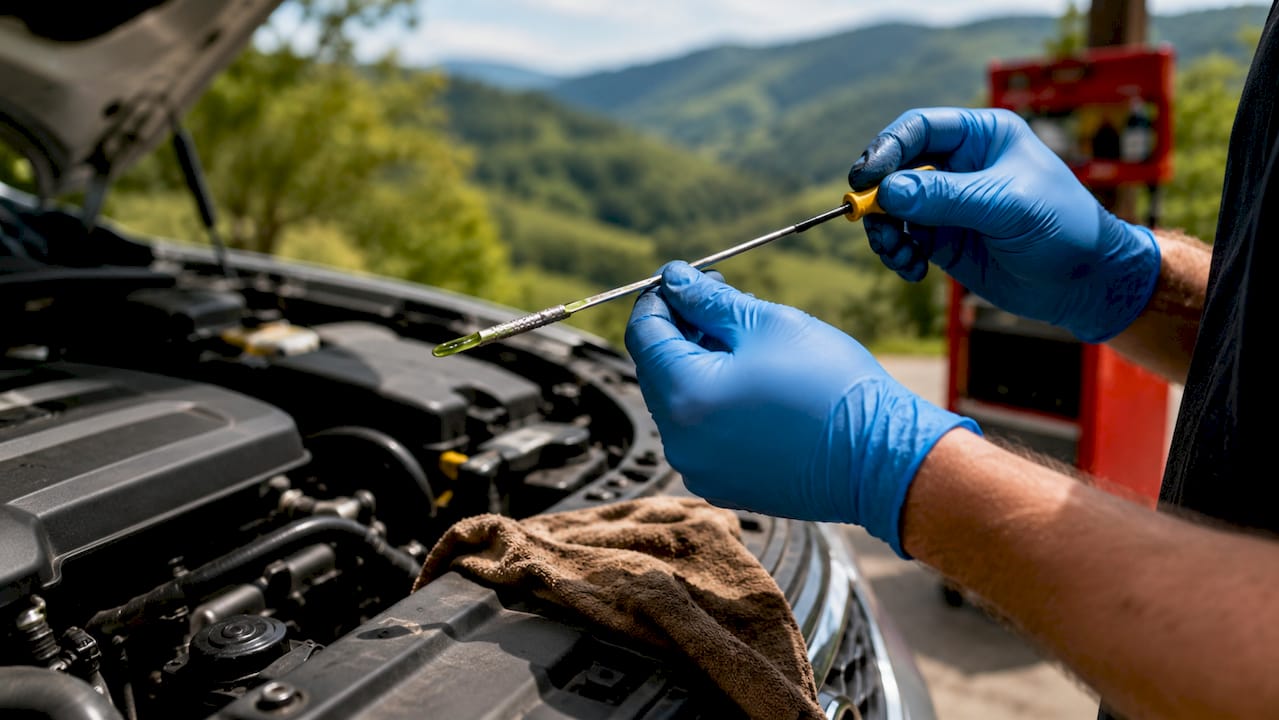
Fresh oil is the lifeblood of your engine. It creates a thin protective film between metal parts, stopping them from grinding against each other. Without that film, friction builds fast, and metal surfaces wear down.
Sludge buildup is one of the most destructive things that can happen inside an engine. Old oil thickens and turns into a sticky residue that clogs oil passages and starves bearings of lubrication. Regular oil changes flush that sludge out before it causes permanent damage.
“Engine oil is not just a lubricant. It is a thermal manager, a cleaning agent, and a corrosion barrier all at once. Neglect it, and you are neglecting the entire engine.”
Seals and gaskets also depend on clean oil to stay pliable. Degraded oil dries them out, leading to leaks that compound into bigger problems. The role of oil changes in protecting these components is something most drivers underestimate until they see a repair bill.
Pro Tip: Check your oil color on the dipstick every month. Fresh oil is amber. Black, gritty oil means it is overdue for a change.
2. Better fuel efficiency and engine performance
Dirty oil increases internal engine resistance. Thickened oil forces the engine to work harder, which burns more fuel and dulls throttle response. You may not notice it happening gradually, but the difference becomes obvious once you get a fresh fill.
Oil health is directly tied to how your car feels to drive. Clean oil lets the engine breathe freely, so acceleration feels crisp and responsive. When oil degrades, that sharpness fades.
Here are the performance signs that point to oil that needs changing:
- Sluggish acceleration that was not there before
- A drop in miles per gallon over several fill-ups
- A louder engine note, especially at idle
- The oil pressure warning light flickering on
- A faint burning smell from the engine bay
Pro Tip: Track your fuel economy over three or four tanks. A noticeable drop in mileage is often the first real-world sign that your oil is past its best.
3. How regular oil changes help reduce emissions
Clean oil prevents the buildup of combustion byproducts that push harmful gases out through your exhaust. Dirty oil increases exhaust emissions and puts extra stress on the catalytic converter, which is an expensive component to replace.
The catalytic converter works by converting toxic gases into less harmful ones before they exit the tailpipe. When oil burns or breaks down inside the engine, it produces carbon deposits that clog the converter over time. Keeping your oil fresh protects that converter and keeps your emissions in check.
Here is how fresh oil supports cleaner engine operation:
- It reduces carbon deposits that form on pistons and valves.
- It prevents oil from burning off and contaminating the exhaust stream.
- It keeps the combustion chamber cleaner, which improves burn efficiency.
- It reduces the load on the catalytic converter, extending its service life.
Vehicles that pass emissions tests consistently tend to have one thing in common: owners who follow a regular maintenance schedule. Staying on top of oil changes is one of the simplest ways to stay compliant and reduce your environmental footprint.
4. Oil change intervals and recommendations for 2026
The old 3,000-mile rule is outdated. Most modern cars with synthetic oil can safely go 7,500 to 10,000 miles between changes. Your owner’s manual gives you the most accurate interval for your specific engine and driving conditions.
Modern synthetic oils stabilize temperature better and resist sludge formation longer than conventional oils. That is why they earn longer service intervals. Conventional oil still works well in older engines, but it breaks down faster and needs more frequent replacement.
| Oil Type | Typical Interval | Best For |
|---|---|---|
| Conventional | 3,000–5,000 miles | Older engines, light driving |
| Synthetic blend | 5,000–7,500 miles | Mixed city and highway driving |
| Full synthetic | 7,500–10,000 miles | Modern engines, performance cars |
| High-mileage synthetic | 5,000–7,500 miles | Vehicles over 75,000 miles |
Even if you drive fewer miles, change your oil at least once or twice a year. Old oil accumulates moisture and acidic byproducts that corrode engine parts regardless of mileage. Time matters just as much as distance.
Pro Tip: Not sure which oil type fits your car? The 2026 selection guide from Expresslubearlington breaks down every option clearly.
Understanding why oil change intervals differ between vehicles helps you avoid both over-servicing and under-servicing your engine.
5. Cost savings and prevention of expensive repairs
A routine oil change costs a fraction of what engine repairs run. Neglecting oil maintenance leads to costly component failures and can void your manufacturer warranty. That is a painful combination.
Engine repairs caused by oil neglect are among the most expensive fixes in automotive maintenance. Bearing replacements, timing chain failures, and full engine replacements all trace back to lubrication problems that regular oil changes would have prevented. The math is not complicated.
Key financial reasons to stay on schedule:
- Oil changes cost a small fraction of what a seized engine repair runs
- Manufacturer warranties often require documented maintenance records
- Signs of engine failure linked to oil neglect appear gradually, making early prevention far cheaper than late-stage repair
- Clean oil reduces wear on expensive parts like camshafts, lifters, and rod bearings
- Consistent maintenance history raises your vehicle’s resale value
Pro Tip: Always use ASE-certified technicians and manufacturer-approved oil grades. Using the wrong viscosity can void your warranty just as surely as skipping the service entirely.
Expresslubearlington is a RepairPal Certified Shop and a CarFax Top-Rated Service Center. That means every oil change comes with verified quality and a paper trail that protects your warranty. You can also check out how to save money on oil changes without cutting corners on quality.
6. Monthly oil level checks as a preventive habit
Checking your oil level monthly is a simple habit that prevents oil starvation and engine failure. Engines consume small amounts of oil even without visible leaks, so the level can drop between scheduled changes without you realizing it.
A low oil level means less lubrication, which means more friction and heat. That combination accelerates wear on every moving part inside the engine. Catching a low level early costs you nothing. Ignoring it can cost you an engine.
Check your oil when the engine is cold and the car is parked on level ground. That gives you the most accurate dipstick reading. Never ignore a low oil pressure warning light. That light is your engine sending up a flare, and driving on it even briefly can cause serious damage.
Key takeaways
Routine oil changes protect your engine, improve fuel efficiency, reduce emissions, and prevent repairs that cost far more than the service itself.
| Point | Details |
|---|---|
| Engine protection | Fresh oil prevents sludge, reduces friction, and extends engine life significantly. |
| Fuel efficiency | Clean oil reduces internal resistance, improving throttle response and gas mileage. |
| Emissions control | Regular changes prevent carbon buildup that damages catalytic converters and raises emissions. |
| Interval guidance | Most modern engines with synthetic oil run safely 7,500–10,000 miles between changes. |
| Cost prevention | Consistent oil changes avoid expensive repairs and protect your manufacturer warranty. |
What I have learned from years of watching engines age
Here is something most articles will not tell you: the drivers who skip oil changes are rarely reckless. They are busy, or they assume their car will warn them in time. The problem is that engine wear is silent. By the time you hear a knock or see a warning light, the damage is already done.
I have seen engines with fewer than 80,000 miles that looked like they had 200,000 on them. Every single time, the maintenance history told the story. Inconsistent oil changes, wrong viscosity grades, or long stretches between services. The engine does not forget.
The other misconception I run into constantly is that synthetic oil means you can push intervals indefinitely. Synthetic oil is genuinely better, but it still degrades. Heat cycles, combustion byproducts, and moisture all break it down over time. Your manual’s interval exists for a reason.
My honest advice: treat oil changes like a subscription, not a reaction. Schedule them before you need them, not after your dashboard lights up. Your engine will reward you with years of reliable service, and your wallet will thank you too.
— Hassan
Keep your engine protected with expert service
Your engine deserves more than a quick top-off. At Expresslubearlington, our ASE-certified technicians use manufacturer-approved oil grades and genuine filters to make sure every change actually protects your engine the way it should.

Whether you drive a daily commuter or a high-mileage workhorse, we make it easy to stay on schedule. Expresslubearlington is RepairPal Certified and CarFax Top-Rated, so you know the work is done right every time. Start with our top oil change tips to see what a proper service looks like, or stop by our Arlington location and let us take care of the rest.
FAQ
What are the main benefits of routine oil changes?
Routine oil changes lubricate engine parts, prevent sludge buildup, improve fuel efficiency, reduce emissions, and protect against expensive repairs. Consistent oil maintenance is the single most cost-effective way to extend engine life.
How often should I change my oil in 2026?
Most modern vehicles using full synthetic oil can go 7,500 to 10,000 miles between changes. Always check your owner’s manual for the interval specific to your engine and driving conditions.
Does skipping an oil change really damage my engine?
Yes. Old oil thickens, loses its lubricating properties, and leaves corrosive deposits inside the engine. Even low-mileage vehicles should change their oil at least once or twice a year to prevent moisture and acid buildup.
Is synthetic oil worth the extra cost?
Full synthetic oil lasts longer, resists sludge better, and handles temperature extremes more effectively than conventional oil. For most modern engines, the longer interval and added protection make it the better value.
What are the signs you need an oil change?
Dark or gritty oil on the dipstick, a drop in fuel economy, sluggish acceleration, a louder engine at idle, or an illuminated oil pressure warning light all indicate your oil needs attention soon.