
TL;DR:
- Many common car repair mistakes can lead to costly engine or system damage, but they are usually preventable. Proper diagnosis, correct tools, and understanding modern vehicle systems are essential to avoid unnecessary expenses and safety hazards. Regular maintenance and timely repairs help protect both your vehicle and your wallet from avoidable problems.
Common car repair mistakes are preventable errors that turn minor fixes into major bills, and knowing which ones to avoid is the fastest way to protect your vehicle and your wallet. Whether you’re a weekend DIYer or just trying to stay on top of routine maintenance, the gap between a $50 repair and a $5,000 one often comes down to a single bad decision. This article breaks down the most frequent auto repair errors, explains exactly why they happen, and gives you the practical knowledge to sidestep them before they hurt your car or your budget.
1. What are the most common car repair mistakes during oil changes?
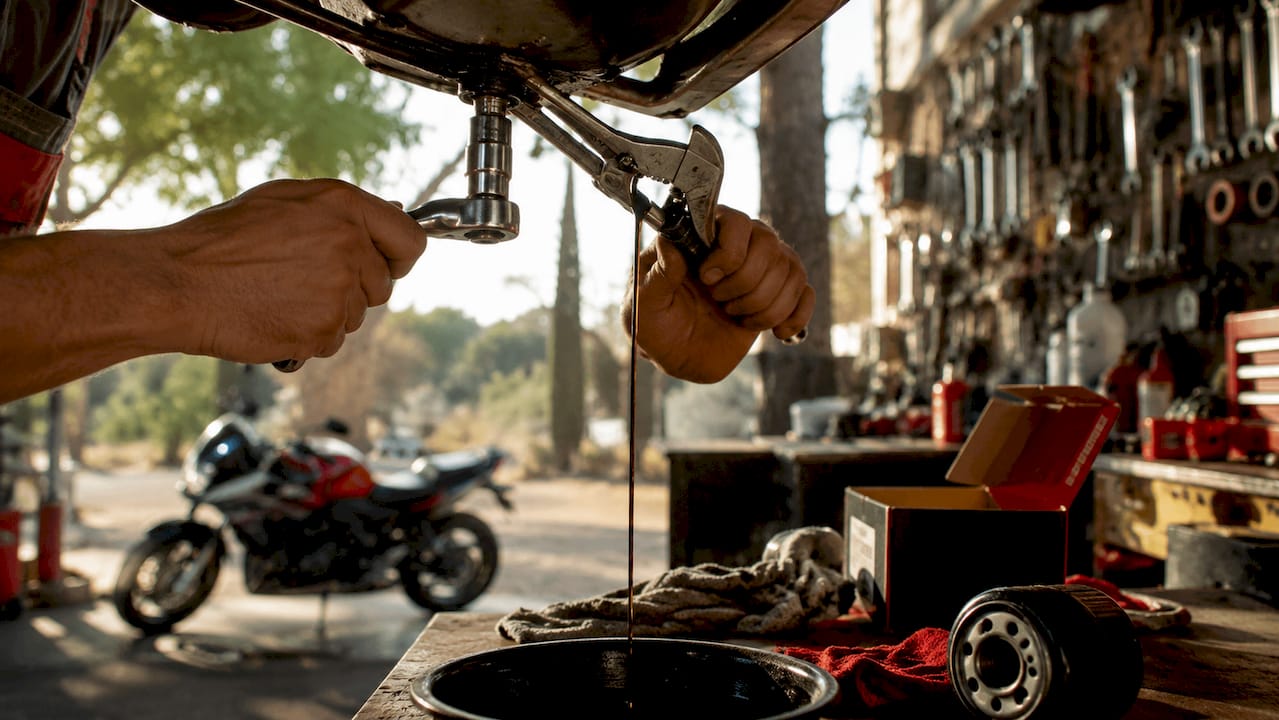
Oil change errors are the most widespread DIY car repair issues, and the consequences can be severe. Improper oil change procedures, such as using the wrong filter or failing to secure the drain plug, have caused engine and transmission damage costing $1,400–$13,000. That range tells you everything: one careless step during a routine service can turn into a repair bill bigger than some used cars.
The most common blunders include:
- Using the wrong oil viscosity for your engine (always check your owner’s manual for the correct grade, such as 5W-30 or 0W-20)
- Installing the wrong oil filter that doesn’t seal correctly for your make and model
- Forgetting to tighten the drain plug or filter, which leads to slow leaks and oil starvation
- Skipping fluid level checks for brake fluid, coolant, and transmission fluid during the same service visit
Pro Tip: Before you pour in fresh oil, always hand-tighten the drain plug first, then snug it with a wrench. Overtightening strips the threads. Under-tightening causes leaks. The sweet spot is firm, not forceful.
For a deeper look at getting this right every time, the oil change tips guide from Expresslubearlington walks through the full process step by step.
2. How can misdiagnosing warning lights lead to bigger problems?
Misreading or ignoring dashboard warning lights is one of the costliest frequent car service blunders a driver can make. Ignoring a check engine light can cause catalytic converter damage costing $1,500–$2,500, compared to minor fixes like a loose gas cap or a failing oxygen sensor that cost a fraction of that. The light is your car sending up a flare. Ignoring it is like turning off a smoke alarm instead of checking for fire.
Here are the most dangerous diagnostic errors to avoid:
- Clearing fault codes immediately without saving freeze-frame data. Clearing check engine codes erases the snapshot of conditions when the fault occurred, making intermittent problems nearly impossible to track down later.
- Buying parts based on a generic OBD-II code alone. Most unknown fault codes result from wiring faults, poor grounding, vacuum leaks, or low voltage rather than a failed sensor. Replacing the sensor without checking those root causes wastes money and leaves the real problem untouched.
- Assuming multiple warning lights mean multiple problems. A weak or aging battery can trigger several unrelated warning lights at once due to under-voltage. Always test the battery first when your dashboard lights up like a Christmas tree.
“Avoid replacing components solely based on generic OBD-II codes. Check voltage, wiring, grounds, and freeze-frame data first to uncover the real root cause.”
If a brake warning light is part of the picture, the brake light dashboard guide at Expresslubearlington explains what each signal actually means.
3. What common errors in brake and tire maintenance affect safety?
Brake and tire mistakes are not just expensive. They are genuinely dangerous, and they represent some of the most serious common vehicle maintenance mistakes on this list. The good news is that most of them are completely avoidable with a little extra attention.
Watch out for these specific pitfalls:
- Skipping lug nut torque specs after brake work. Failing to torque lug nuts properly after brake service can cause wheel loosening or separation at highway speeds. Always use a torque wrench and follow your vehicle’s spec, typically 80–100 ft-lbs for most passenger cars.
- Ignoring brake fluid during a brake job. Old, moisture-contaminated brake fluid reduces stopping power and corrodes caliper pistons. If you’re replacing pads, check the fluid too.
- Using improper jack points. Placing a floor jack under a rocker panel or plastic body piece instead of the designated frame point can crush structural components and create a dangerous lift situation.
- Assuming bald tires are still usable. Tires with less than 2/32 of an inch of tread depth are illegal in most states and dramatically increase stopping distances, especially in wet conditions.
Pro Tip: Keep a torque wrench in your garage. It’s one of the most underused tools in DIY car repair, and it’s the single best way to prevent wheel and fastener failures after any brake or suspension work.
4. Why is neglecting cooling system leaks such a costly mistake?
A small cooling system leak is one of those car repair pitfalls that feels easy to postpone. It’s a drip, not a flood. But that logic is exactly what turns a minor repair into a major one. Ignoring a minor cooling leak, like a cracked hose that costs $200 to replace, can cascade into a $4,000 engine rebuild when overheating warps the cylinder head.
Here’s a quick comparison to put the stakes in perspective:
| Cooling system issue | Repair cost if caught early | Repair cost if ignored |
|---|---|---|
| Cracked radiator hose | $150–$200 | $4,000+ engine rebuild |
| Leaking water pump | $300–$500 | $2,000+ head gasket failure |
| Low coolant level | $20–$40 (top-off) | $1,500+ overheating damage |
| Faulty thermostat | $100–$200 | $800+ radiator and hose damage |
The warning signs are not subtle if you know what to look for. Watch for a sweet smell near the engine bay, white smoke from the exhaust, a rising temperature gauge, or puddles of green or orange fluid under your parked car. Catching any one of these early puts you firmly in the cheap column of that table above.
Do a quick visual inspection every time you check your oil. Look at the hoses for cracks, soft spots, or swelling near the clamps. Check the coolant reservoir level and look at the color. Fresh coolant is bright and translucent. Dark, murky coolant is overdue for a flush.
5. What are the critical modern vehicle repair pitfalls related to electronics?
Modern vehicles in 2026 are packed with sensors, cameras, and driver assistance systems that most DIY guides haven’t caught up with yet. Skipping the electronic side of a repair is one of the fastest-growing auto repair errors, and it catches even experienced home mechanics off guard.
The most important mistakes to avoid:
- Skipping ADAS recalibration after windshield or fender repairs. Modern vehicles require calibration of Advanced Driver Assistance Systems after any work near sensors or cameras. A lane-keeping camera that’s off by a fraction of a degree can give dangerously wrong steering inputs.
- Swapping a battery without digital registration. New batteries and alternators on many European and newer American vehicles require a “digital handshake” to tell the car’s computer the new part is installed. Skip this step and the charging system may overcharge the new battery, shortening its life significantly.
- Using harsh chemicals near sensors. Traditional degreasers and brake cleaner damage modern flow sensor film elements and ADAS camera lenses, causing permanent failures that require full component replacement.
- Forcing bolts or spark plugs. Forcing a bolt or spark plug by wrench strips the threads and can require a full cylinder head repair to fix. Always hand-start threads before applying any tool torque.
Pro Tip: Before any repair involving sensors, cameras, or the battery on a 2020 or newer vehicle, look up whether your specific make and model requires a scan tool reset or calibration procedure. A five-minute search can save you a $500 shop visit.
Key takeaways
Avoiding common car repair mistakes comes down to proper diagnosis, correct tools, and respecting the complexity of modern vehicle systems before touching a single bolt.
| Point | Details |
|---|---|
| Diagnose before replacing | Check voltage, wiring, and freeze-frame data before buying any parts based on fault codes. |
| Oil changes demand precision | Wrong filters, wrong oil, or loose drain plugs can cause engine damage costing up to $13,000. |
| Small leaks become big bills | A $200 hose repair ignored long enough can turn into a $4,000 engine rebuild. |
| Modern cars need calibration | ADAS sensors and new batteries often require digital registration after replacement on 2020+ vehicles. |
| Torque specs are not optional | Always use a torque wrench for lug nuts and fasteners to prevent wheel failure and stripped threads. |
What I’ve learned watching DIYers make the same mistakes twice
Here’s the honest truth I’ve picked up from years of watching car owners work through repairs: the most expensive mistakes almost never come from lack of effort. They come from skipping the diagnosis step and going straight to parts replacement. Someone pulls a code, buys a sensor, installs it, and the light comes back on. Then they buy another part. Then another. Three parts later, the real problem was a corroded ground wire that cost nothing to fix.
Patience is the most underrated tool in any garage. Before you order anything, spend 20 minutes checking the basics: battery voltage, ground connections, vacuum lines, and fluid levels. That habit alone will save most DIYers hundreds of dollars a year.
I also think the DIY community undersells the value of knowing when to stop. There’s no shame in handling your own oil changes, brake pads, and air filters, and then handing off ADAS calibration or transmission work to a certified shop. That’s not giving up. That’s smart resource management. The car repair cost guide at Expresslubearlington makes a strong case for exactly this kind of hybrid approach.
One more thing: always ask to see the old parts when a shop replaces something. Any reputable shop will hand them over without hesitation. If they push back or pressure you into signing a payment plan before showing you the problem, that’s a red flag worth taking seriously.
— Hassan
Keep your car in good hands at Expresslubearlington
Even the most capable DIYer runs into repairs that need professional eyes and certified tools. Expresslubearlington is a RepairPal and ASE-certified shop serving drivers across the DFW area, handling everything from oil changes and engine diagnostics to brake service and complex electronic repairs. When you’re not sure whether a warning light needs a scan tool reset or a full repair, our technicians give you a straight answer without the upsell pressure. Pair your DIY efforts with a shop you can trust, and follow a solid car maintenance schedule by mileage to stay ahead of problems before they start. Stop by or schedule your visit today.
FAQ
What is the most expensive car repair mistake to avoid?
Ignoring a check engine light is one of the costliest errors. It can lead to catalytic converter damage costing $1,500–$2,500, compared to minor fixes that cost far less when caught early.
Can a bad battery really cause multiple warning lights?
Yes. A weak or aging battery creates under-voltage conditions that trigger several unrelated warning lights at once. Always test the battery first before diagnosing other electrical faults.
How do I avoid stripping threads during DIY repairs?
Always hand-start bolts and spark plugs before applying wrench torque. Forcing a fastener that isn’t properly aligned strips threads and can require costly cylinder head repairs to correct.
Is it safe to drive with a small coolant leak?
No. Even a minor leak can escalate quickly into overheating, which warps the cylinder head and turns a $200 hose repair into a $4,000 engine rebuild. Address cooling leaks as soon as you spot them.
Do I need a scan tool for modern vehicle repairs?
For any repair involving sensors, batteries, or driver assistance systems on 2020 or newer vehicles, a scan tool is often required to complete the repair correctly. Skipping this step can cause the system to malfunction even after the physical repair is done.