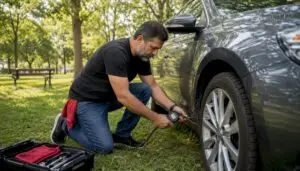

A shop repair warranty covers the parts the shop installed and the workmanship (labor) for that specific job, within a stated time and mileage limit. That’s the whole idea in one sentence. It doesn’t cover unrelated failures, normal wear, or your entire vehicle going forward.
The Magnuson-Moss Warranty Act sets the federal disclosure standard for how written warranties get spelled out, and states like California layer on their own rules, like CCR section 3376. Express Lube & Car Care backs its work with a warranty covering a couple of years or typical mileage on repairs performed in-shop.
- Parts the shop supplied for your repair
- Labor and installation work tied to that repair
- Defects traced back to how the job was done
Your invoice’s written warranty is the document that actually governs a claim, so read it before you leave the lot.
Key Takeaways
A shop repair warranty covers the parts installed and the labor performed for a specific job, within a clearly stated time and mileage limit, and nothing beyond that scope.
| Point | Details |
|---|---|
| Scope is repair-specific | Coverage applies only to the part and labor involved in that job, not the whole vehicle. |
| Exclusions are predictable | Wear items, pre-existing issues, and outside damage typically fall outside coverage. |
| Read the written document | The invoice’s warranty language, not a verbal promise, controls any claim dispute. |
| Documentation wins claims | Keep invoices, photos, and maintenance records to support a future claim. |
| Express Lube & Car Care | Offers a 24-month/24,000-mile warranty on parts and labor, backed by ASE-certified technicians. |
This article is general information, not a substitute for advice from a qualified lawyer. Consult a qualified legal professional about your own circumstances before acting on anything here.
Table of Contents
- What Does Extended Car Warranty Cover on a Typical Repair?
- Common Exclusions That Shop Warranties Don’t Cover
- How Long Does Coverage Last, and What Do the Terms Mean?
- Filing a Warranty Claim: What the Shop Will Ask For
- What the Law Actually Requires From a Written Warranty
- Protecting Your Warranty Before You Ever Need It
- Express Lube & Car Care’s 24-Month, 24,000-Mile Warranty
- Sources
- FAQ
What Does Extended Car Warranty Cover on a Typical Repair?
When people ask what does extended car warranty cover at a repair shop, they usually mean: if this part fails again, am I on the hook for a second bill? Usually not, as long as the failure ties back to the original job. A shop’s warranty guarantees the specific repair it completed, not your car’s overall health going forward.
Here’s how it breaks down in practice. If the shop installed a part, that part failing under normal driving conditions is typically covered, and many shops also pass along the part manufacturer’s own warranty on top of their labor guarantee. If the failure comes down to how the job was done, say a technician installed something slightly off, misaligned a component, or prepped a surface incorrectly before paint, that’s a workmanship issue, and it’s covered for as long as the warranty term states.
Think of it like this: the warranty follows the repair zone, not the whole car. A new alternator and the labor to install it are covered under that repair. Your transmission slipping three weeks later is a completely separate problem with no connection to the alternator job, so it falls outside that warranty.
Common examples of what typically falls under shop coverage:
- Alternator or starter replacement (part and labor)
- Brake caliper repair or replacement (part and labor)
- Paint that bubbles or flakes due to improper prep work
- A sensor or wiring connection that fails because of incorrect installation
Pro Tip: Ask the shop to point out, in writing, exactly which component and system the warranty applies to before you sign anything. A vague “we stand behind our work” verbal promise means nothing if a dispute comes up later.
Common Exclusions That Shop Warranties Don’t Cover
Knowing what’s excluded saves you from a frustrating conversation at the counter. Shop warranties are built around the specific repair, so anything outside that scope typically isn’t included, and a few categories come up again and again.
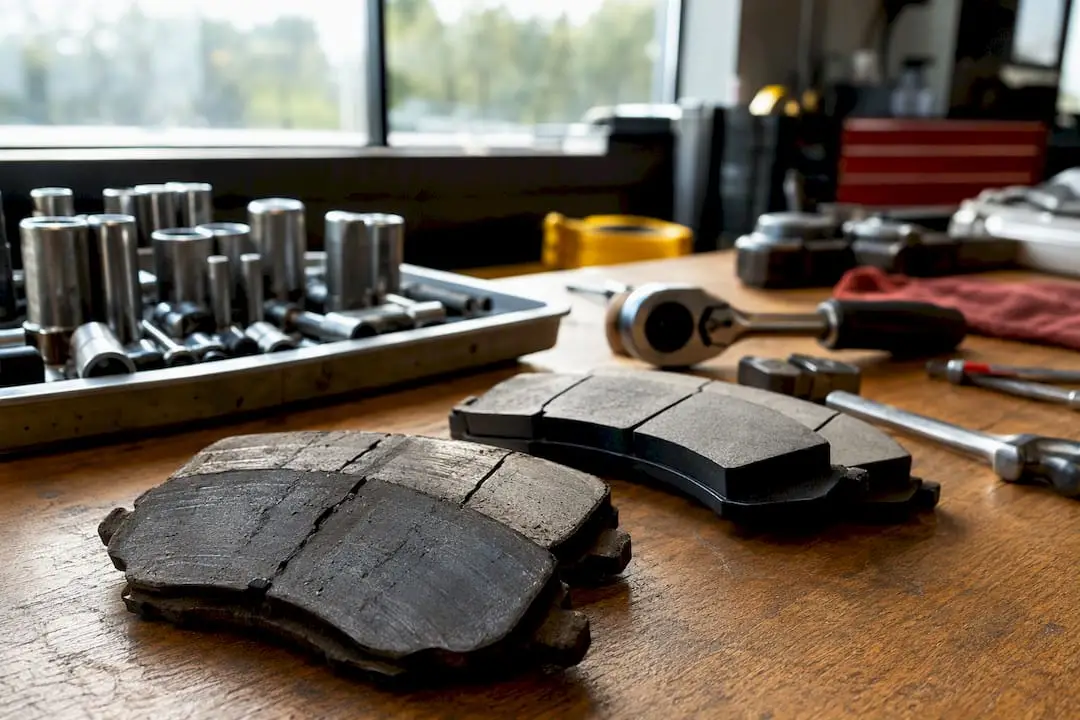
Wear-and-tear items rarely get warranty coverage because they’re expected to degrade no matter how well the original repair was done. Brake pads, air filters, wiper blades, and light bulbs fall into this bucket. Damage from outside events, like an accident, a flood, road salt corrosion, towing incidents, or aggressive driving, also sits outside the warranty’s scope because none of that traces back to the shop’s work.
Pre-existing conditions are another common gray area. If a problem existed before the repair and wasn’t part of what you paid the shop to fix, it’s not something the warranty touches. The same goes for parts you supplied yourself. Most shops won’t warranty labor on a part they didn’t source, since they can’t vouch for its quality.
Certain actions can void your coverage entirely:
- Skipping manufacturer-recommended maintenance on the repaired system
- Having a different shop touch the same repair before bringing it back to the original shop
- Modifying the vehicle in a way that alters how the repaired component functions
A repair shop warranty is a written promise covering the specific work performed. It’s not a blanket policy for the entire vehicle, and it won’t cover unrelated failures that show up after the repair is done.
That distinction, specific repair versus whole car, is the one most drivers miss until they’re standing at the service counter confused about why a claim got denied.
How Long Does Coverage Last, and What Do the Terms Mean?
Shop warranties get structured a few different ways, and the wording matters more than most drivers realize.
- Time-based terms run for a set number of months regardless of mileage driven, common for smaller repairs like sensor replacements or minor electrical fixes.
- Mileage-based terms track how far you drive after the repair, which matters more for parts under heavy mechanical load, like suspension components.
- Combined terms use whichever limit comes first. AAA notes that a common baseline across the industry runs for about a year or a typical moderate mileage, though individual shops vary quite a bit from that floor.
- Pro-rata warranties reduce your coverage value as time passes, so a claim filed near the end of the term might only get partial reimbursement.
- “Lifetime” warranties almost always mean life of ownership, not life of the vehicle, and they come loaded with exclusions worth reading closely.
Also check whether labor is included for the full term or only parts. Some shops cover parts for years but labor for a much shorter window. Look for the exact clause defining the start date, usually the repair date rather than when you picked up your keys, and whether coverage transfers if you sell the car.
Filing a Warranty Claim: What the Shop Will Ask For
Filing a claim isn’t complicated, but skipping a step can slow things down or get your claim denied outright. Here’s the general process:
- Contact the shop directly, don’t book a diagnostic somewhere else first.
- Bring the vehicle in along with your original invoice and warranty document.
- Let the shop run diagnostics to confirm the failure connects to the original repair.
- Wait for the shop to determine whether it’s a covered issue or a separate problem.
Documentation makes or breaks a claim, and shops that keep detailed records tend to resolve disputes faster and more fairly. Before you show up, have these ready:
- The original invoice with itemized parts and labor
- Photos of the repaired area, ideally from before you left the shop
- Any diagnostic reports tied to the new issue
- Maintenance records showing you kept up with required upkeep
One more thing: don’t authorize repairs at a different shop before contacting the original shop first. Most warranties require the original shop to inspect and approve the fix before anyone else touches it. If the failure traces back to a defective part rather than installation error, the shop may loop in the part supplier to handle the replacement, while still owning the labor side of the fix.
What the Law Actually Requires From a Written Warranty
The written document you get with your invoice isn’t just paperwork, it’s legally binding. The Magnuson-Moss Warranty Act requires clear disclosure when a business chooses to offer a written warranty, and that disclosure is what actually controls a dispute, not whatever the technician told you verbally at drop-off.
State rules add another layer. In California, for example, shops aren’t required to offer a warranty at all, but if they choose to, the warranty must meet CCR section 3376 and be delivered with your final invoice in a clear, itemized format.
If a business offers a written warranty, it has to spell out coverage clearly enough that a customer can actually understand what’s protected and what isn’t. Vague language isn’t just bad customer service, it can run afoul of federal disclosure rules.
In practice, expect a document that lists covered parts and services, states exclusions plainly, defines the duration, and gives you a clear claims process with contact information. If a dispute comes up, always start with the shop before going anywhere else. Our guide to how warranties interact with repairs breaks down the claims process step by step.
Protecting Your Warranty Before You Ever Need It
The best time to protect your warranty is before you pay the bill, not after something goes wrong.
- Ask exactly what’s covered: parts, labor, or both, and for how long.
- Ask what specifically voids the coverage, in writing if possible.
- Ask whether the warranty transfers if you sell the vehicle.
- Ask what the claims process looks like if something fails.
Keep your original invoice, the itemized warranty document, and any maintenance receipts together. It’s also smart to snap photos of the repaired area before you drive off, since that gives you a clear “before” reference if a dispute comes up later. Our piece on documenting your car’s repair history walks through exactly what to save and for how long.
Never sign off on warranty language you don’t fully understand. If something reads ambiguous, ask the shop to clarify or correct it before you pay.
Pro Tip: Request your warranty as a non-editable PDF rather than a printed slip that can fade or get lost. Keep a digital copy alongside your other maintenance records so you’re never digging through a glove box during a stressful moment.
Express Lube & Car Care’s 24-Month, 24,000-Mile Warranty
Here’s what that coverage looks like in practice at our shop. Every repair we perform comes with a 24-month or 24,000-mile warranty, whichever comes first, covering both the parts we install and the labor behind them. That’s longer than the baseline coverage you might find at many shops, which often run a standard term with time and mileage limits.
We back that warranty with a few things that make it more than a promise on paper. Our technicians are ASE-certified, we’re a RepairPal Certified Shop, and CarFax has recognized us as a Top-Rated Service Center for the DFW area. Every repair comes with a written, itemized warranty document attached to your invoice, no vague verbal assurances, no fine print buried somewhere you’ll never find it.
If you ever need to file a claim, the process is straightforward: bring your vehicle back in, we run diagnostics to confirm the failure connects to our original work, and we repair or replace the covered item without runaround. Curious about the exact terms? Check our full warranty details or reach out with questions before you book. And if a bigger repair is on the table, our financing options can help you get it handled without delay.

Why We Stand Behind Every Repair We Make
We treat our warranty as a written promise, not a marketing line. Every job that comes through our bay gets documented, diagnosed by ASE-certified technicians, and backed by paperwork that says exactly what we’ll fix if something goes wrong. If you ever suspect an issue traces back to work we did, don’t wait, bring it back and let us take a look. Keep your invoice, ask questions up front, and we’ll walk you through exactly what’s covered.
Sources
- Magnuson‑Moss Warranty Act (overview) — Rockpoint Law
- Guidance on warranties and disclaimers — California BAR/ARD guidance
- Collision repair warranty standards — National Collision Authority
FAQ
Does a shop warranty cover parts I bring in myself?
Usually not. Most shops only warranty parts they sourced and installed themselves, since they can’t vouch for the quality of a customer-supplied part.
What voids a shop repair warranty?
Skipping required maintenance, having another shop touch the repaired system first, or modifying the repaired component typically voids coverage.
How is a shop warranty different from a manufacturer warranty?
A shop warranty covers workmanship and parts for a specific repair the shop performed, while a manufacturer warranty covers factory defects across broader vehicle systems from the automaker itself.
How long does Express Lube & Car Care’s warranty last?
Express Lube & Car Care backs its repairs with a warranty lasting a defined period or mileage, covering both parts and labor.
What should I bring in to file a warranty claim?
Bring your original invoice, the written warranty document, and any maintenance records showing you kept up with required upkeep on the repaired system.