

Regular oil changes are the single most effective form of engine maintenance you can perform, protecting every moving part from friction, heat, and chemical breakdown. The role of oil change in engine life goes far beyond swapping out dirty fluid. Fresh oil maintains the lubrication film that keeps metal surfaces from grinding against each other, carries away combustion byproducts, and delivers additives that neutralize acids forming inside the engine. Skip this service long enough, and you are not just running dirty oil. You are accelerating wear on bearings, camshafts, and cylinder walls in ways that no repair bill can fully reverse. Understanding what an oil change actually does gives you the foundation to protect your investment.
How the role of oil change in engine life starts with degradation
Oil does not just get dirty. It chemically breaks down. Oxidation occurs when oil molecules react with oxygen at high temperatures, causing the oil to thicken and lose its ability to flow freely through tight engine passages. Thermal breakdown compounds this by cracking the oil’s molecular structure under sustained heat, stripping away the protective film that separates metal components.
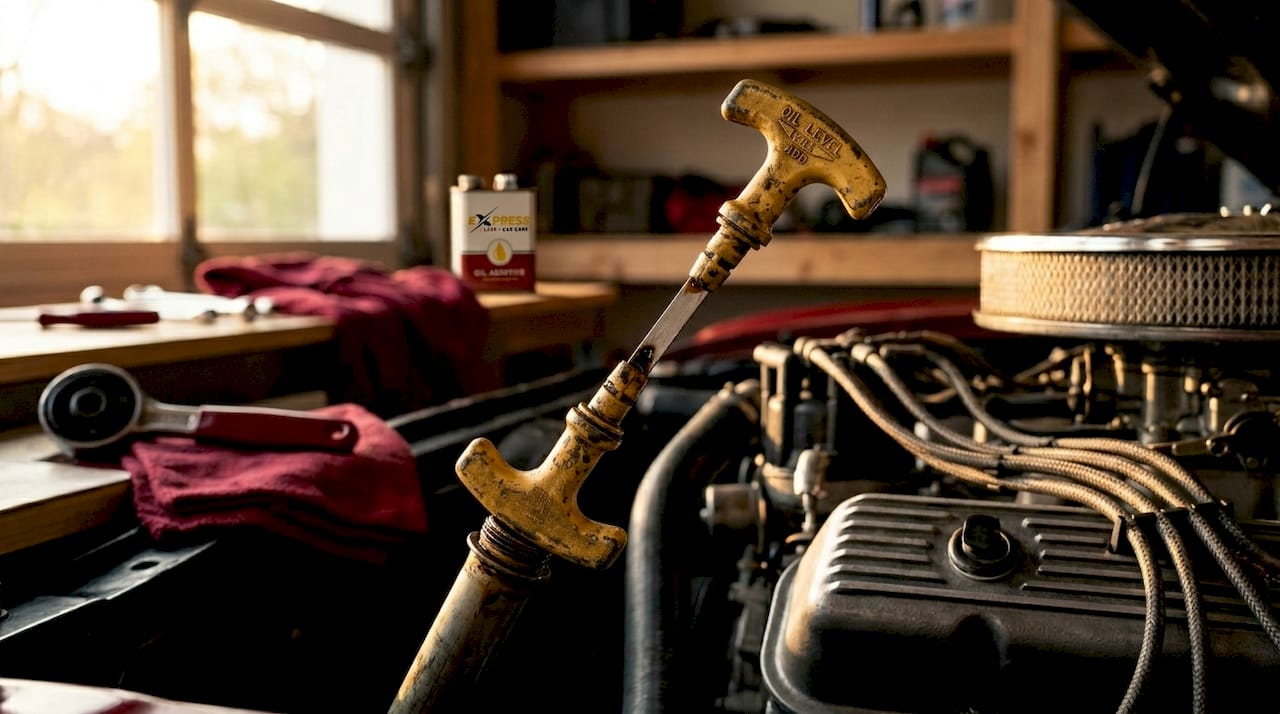
The result of this process is sludge and varnish formation, which restricts oil flow and starves engine components of lubrication. This is not a slow, visible problem. Sludge can begin clogging oil galleries and insulating heat-sensitive parts before you ever see a warning light. By the time the damage is noticeable, bearings and camshaft lobes may already be compromised.
Three additional contaminants accelerate this process faster than most drivers realize:
- Moisture: Short trips that never fully warm the engine allow water vapor from combustion to condense in the oil, promoting oxidation and corrosion.
- Fuel dilution: Incomplete combustion pushes raw fuel past piston rings and into the oil, thinning it and reducing its load-bearing capacity.
- Combustion byproducts: Soot, acids, and carbon particles accumulate in the oil over time, overwhelming the detergent and dispersant additives that keep them suspended.
Think of oil changes as chemical protection renewals, not just cosmetic fluid refreshes. Additives deplete steadily, and once they are gone, the oil is no longer doing the job it was designed to do regardless of how clean it looks on the dipstick.
Synthetic oils like Valvoline Full Synthetic resist oxidation better than conventional blends, but they are not immune. Extended oil change intervals remain a primary cause of sludge buildup even in vehicles running premium synthetics.
How your driving habits shorten oil life faster than mileage
Here is something most drivers do not know: two vehicles with identical odometer readings can require completely different oil change schedules based on how they are driven. Mileage is a rough proxy for oil stress, not a precise measurement of it.
The pattern that does the most damage is the daily short trip. When you drive less than five miles at a time, your engine never reaches full operating temperature. That means moisture and fuel contaminants that enter the oil during cold starts never evaporate. Short trips dramatically shorten oil life because this repeated cold-start cycle causes faster oxidation and additive depletion than highway miles ever would.
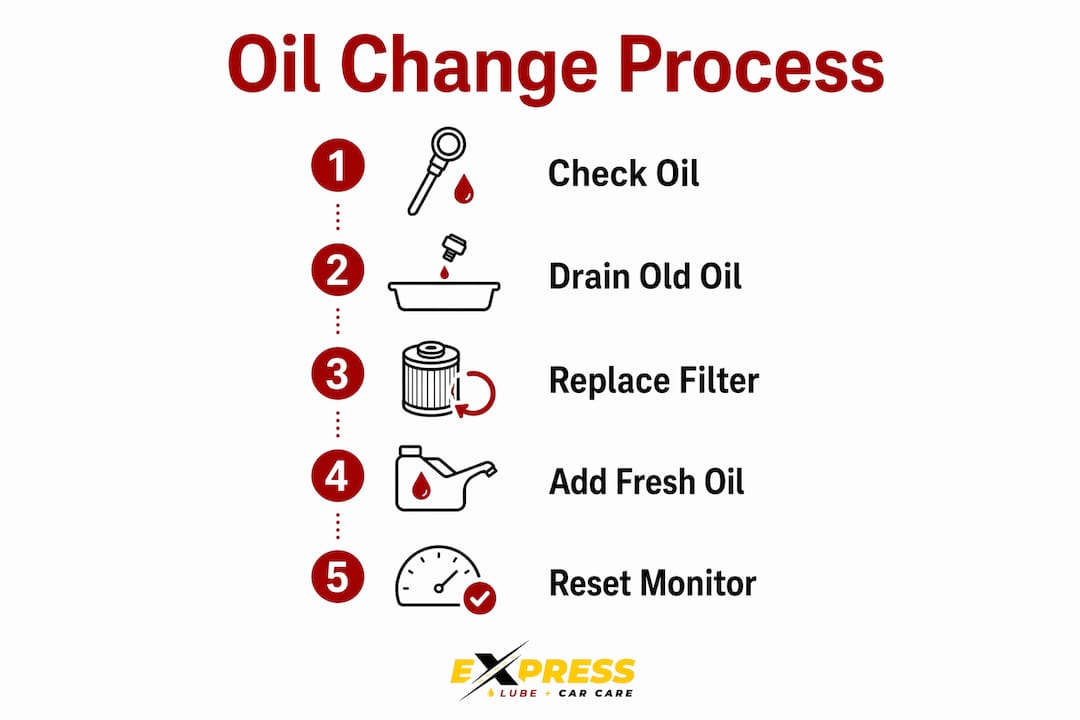
Stop-and-go traffic creates a different problem. Constant acceleration and braking cycles keep the engine working hard at low speeds, generating heat without the cooling airflow that highway driving provides. High ambient temperatures and stop-and-go traffic accelerate additive depletion, meaning your oil loses its protective chemistry faster than the calendar or odometer suggests.
Manufacturers classify these conditions as “severe service,” and the recommended oil change intervals reflect that reality:
- City driving with frequent short trips: Change oil more frequently than the standard interval, often closer to 3,000 to 5,000 miles for conventional oil.
- Towing or hauling heavy loads: High engine loads generate sustained heat that degrades oil rapidly, requiring shorter intervals regardless of oil type.
- Extreme temperatures: Both very hot and very cold climates stress oil chemistry, demanding more frequent attention.
- Highway driving with long warm-up periods: This is the least stressful condition, where synthetic oils can safely reach their upper mileage recommendations.
Pro Tip: If your daily commute is mostly short trips under five miles, treat your vehicle as a severe-service vehicle and follow the shorter oil change interval in your owner’s manual, even if your dashboard monitor has not triggered a warning yet.
You can also review a car maintenance schedule by mileage to cross-reference manufacturer recommendations against your actual driving patterns.
What oil life monitors actually measure (and what they miss)
Dashboard oil life monitors feel reassuring. That percentage ticking down from 100% gives you a clear signal, and many drivers treat it as the definitive word on when to change their oil. The reality is more complicated.
Oil life monitors use algorithms, not sensors that physically test your oil. They calculate estimated oil degradation based on engine temperature cycles, RPM data, and load patterns. The Jeep Grand Cherokee’s system, for example, calculates intervals based on driving style and engine loads but cannot detect actual oil chemistry or contamination levels.
This creates two significant blind spots:
- Oil quantity: Monitors do not measure how much oil is in the engine. An engine low on oil can show high oil life yet suffer accelerated wear because there simply is not enough fluid to maintain pressure and lubrication. This is why manual dipstick checks remain non-negotiable.
- Contamination from leaks: If coolant or fuel enters the oil due to a gasket failure or injector leak, the monitor has no way to detect it. The percentage keeps counting down normally while the oil is already compromised.
The practical guidance here is straightforward. Use the monitor as a reminder system, not an absolute authority. Combine it with a manual oil level check every 1,000 miles or once a month. Follow the “20% Rule”: schedule your oil change when the monitor hits 20% remaining, not when it reaches zero. This gives you a buffer against algorithm error and unexpected driving condition changes.
Pro Tip: Always reset the oil life indicator after every service. Failing to reset it means the system continues calculating from the wrong baseline, which can push your next change interval dangerously far out.
Best practices and common mistakes when getting an oil change
Getting an oil change sounds simple. Pour in new oil, swap the filter, done. But the execution details matter more than most people realize, and a single mistake can cause the kind of engine damage that costs thousands to repair.
The most dangerous mistake is an improperly installed oil filter O-ring. Pinched or misaligned O-rings have caused documented catastrophic engine failures by allowing oil to bypass the filter or leak under pressure. This is not a theoretical risk. It is a real failure mode that happens in both DIY and rushed professional services.
| Factor | DIY Oil Change | Professional Service |
|---|---|---|
| Typical cost | Around $100 | $220 to $245 in many regions |
| Filter installation risk | Higher without experience | Lower with trained technicians |
| Oil type accuracy | Depends on owner research | Matched to manufacturer spec |
| Post-service oil level check | Often skipped | Standard procedure |
| Disposal of old oil | Owner’s responsibility | Handled by shop |
DIY oil changes cost around $100, while professional full-service changes often run $220 to $245 in some regions. That cost gap narrows considerably when you factor in the risk of an installation error and the value of having a trained technician inspect your vehicle at the same time.
Pro Tip: Always check your oil level 10 to 15 minutes after a fresh oil change, once the engine has run briefly and the oil has settled. This confirms the correct fill level and catches any filter or drain plug issues before they become serious.
Choosing the right oil type matters just as much as the service itself. Refer to your owner’s manual for the correct viscosity grade. Using the wrong weight, such as 5W-30 in an engine spec’d for 0W-20, affects flow at startup and can reduce protection under load. You can compare your options with a look at synthetic vs. conventional oil to understand which type fits your vehicle and driving conditions.
How regular oil changes protect engine performance and resale value
The long-term oil change impact on longevity shows up in two places: engine performance and your wallet. Engines that receive consistent oil maintenance sustain better fuel efficiency because clean, properly viscous oil reduces internal friction. Less friction means the engine does not work as hard to produce the same power output.
The financial case for regular oil changes is straightforward when you compare the numbers:
- A routine oil change costs between $50 and $245 depending on oil type and service provider.
- A single engine bearing replacement can run $1,500 to $3,000 in labor and parts.
- A full engine replacement, often triggered by sludge damage or oil starvation, affects car value significantly and can cost $4,000 to $10,000 or more.
- Vehicles with documented maintenance histories command higher resale prices because buyers and dealers can verify the engine was protected.
Oil-pressure-dependent systems like GM’s Active Fuel Management also depend on clean, properly pressurized oil to function correctly. Maintaining oil quality prevents operational failures in these systems, which directly affects fuel economy and engine longevity. Neglecting oil changes does not just wear out the engine. It disables features the manufacturer engineered specifically to protect it.
Warranty compliance is another factor worth taking seriously. Most manufacturer warranties require documented adherence to the recommended maintenance schedule. Skipping oil changes or extending intervals beyond what the manual allows can void coverage on powertrain repairs, turning a warranty claim into an out-of-pocket expense.
Key takeaways
Regular oil changes protect your engine by maintaining lubrication, removing contaminants, and replenishing additives that prevent sludge, wear, and premature failure.
| Point | Details |
|---|---|
| Oil degrades chemically | Oxidation and contaminants break down oil long before it looks dirty, making timely changes non-negotiable. |
| Driving habits matter more than mileage | Short trips and stop-and-go traffic deplete oil faster, requiring shorter change intervals than the odometer suggests. |
| Monitors have real blind spots | Oil life monitors cannot detect low oil level or physical contamination, so manual checks are still required. |
| Execution errors cause failures | A pinched O-ring or wrong oil type can cause catastrophic engine damage regardless of how fresh the oil is. |
| Prevention beats repair every time | Consistent oil maintenance costs a fraction of bearing replacements, engine rebuilds, or lost resale value. |
What I have learned from years of watching engines fail prematurely
I have seen the inside of a lot of engines that should have lasted 250,000 miles but gave up at 90,000. Almost every time, the story is the same: the owner trusted the dashboard monitor, stretched the intervals a little, and assumed synthetic oil bought them unlimited flexibility. It does not.
The misconception I run into most often is that synthetic oil is a substitute for discipline. Valvoline Full Synthetic, Mobil 1, Pennzoil Platinum. These are excellent products. But they still oxidize, still accumulate contaminants, and still need to be changed on a schedule that reflects how the vehicle is actually used. The oil life monitor is a helpful tool, not a hall pass.
What actually works is treating your owner’s manual as the floor, not the ceiling. If the manual says 7,500 miles under normal conditions, and you drive mostly short city trips, you are not in normal conditions. You are in severe service, and the 5,000-mile interval is the right call. Pair that with a monthly dipstick check, reset the monitor after every service, and you have a system that genuinely protects your engine rather than just reacting to warning lights.
The drivers who get 200,000 miles out of their engines are not lucky. They are consistent.
— Hassan
Keep your engine protected with expert service from Expresslubearlington
At Expresslubearlington, our ASE-certified technicians handle every oil change with the precision your engine deserves. We use oils matched to your manufacturer’s specifications, install filters correctly every time, and perform a post-service inspection so nothing gets missed. As a RepairPal Certified Shop and CarFax Top-Rated Service Center, we back our work with the kind of quality that keeps DFW drivers coming back. Whether you drive a daily commuter or a weekend hauler, we will set you up with the right oil, the right interval, and the confidence that your engine is protected. Check out our top oil change tips or browse our current oil change specials and stop by today.
FAQ
What is the role of oil change in engine life?
Oil changes maintain lubrication, remove harmful contaminants, and replenish chemical additives that protect engine components from wear, heat, and sludge buildup. Skipping them accelerates internal damage that shortens engine life significantly.
How often should I change my oil?
Oil change intervals range from 3,000 to 15,000 miles depending on oil type and driving conditions. Severe service drivers, including those with frequent short trips or heavy towing, should use the shorter end of that range.
Can I rely solely on my oil life monitor?
No. Oil life monitors use algorithms and cannot detect low oil level or contamination from coolant or fuel leaks. Manual dipstick checks every 1,000 miles are still necessary to catch problems the monitor will miss.
What are the signs you need an oil change?
Common signs include a dark or gritty appearance on the dipstick, a burning oil smell inside the cabin, increased engine noise, and an oil life monitor reading below 20%. Any of these signals means it is time to schedule service.
Does synthetic oil mean I can skip oil changes?
No. Synthetic oil resists degradation longer than conventional oil, but it still oxidizes and accumulates contaminants over time. Following your manufacturer’s recommended interval for your specific driving conditions remains the only reliable way to protect your engine.