

The four main types of car oil changes are conventional, synthetic blend, full synthetic, and high-mileage oil, each designed for a specific engine age, driving pattern, and performance demand. Picking the wrong one is not just a waste of money. It can accelerate engine wear, void manufacturer warranties, and shorten the life of a vehicle you depend on every day. This guide breaks down every oil change type, tells you exactly who each one is for, and gives you the practical knowledge to walk into any service center with confidence.
1. What are the main types of car oil changes?
The four oil change types available at most service centers are conventional, synthetic blend, full synthetic, and high-mileage oil. Each one is refined or engineered differently, carries a different price point, and performs differently under heat, cold, and mechanical stress. Understanding the distinction is the foundation of smart car maintenance. Think of it like choosing the right fuel for a campfire: the wrong material still burns, but it burns inefficiently and leaves a mess behind.
2. Conventional oil: the original workhorse
Conventional motor oil is refined directly from crude oil and has been the industry standard for decades. It performs reliably under normal driving conditions and remains the most affordable option at the pump and the service counter. For older vehicles or low-mileage drivers who cover fewer than 10,000 miles a year, conventional oil is a perfectly sound choice.
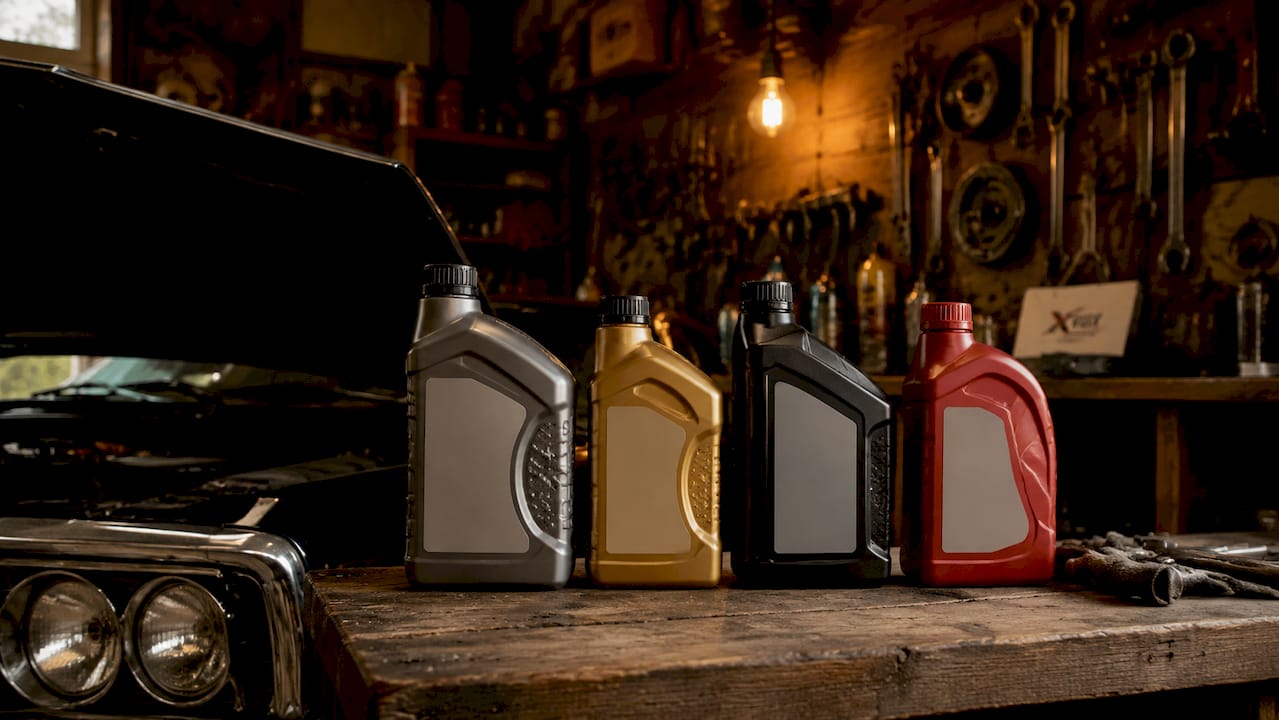
The standard change interval for conventional oil sits between 3,000 and 5,000 miles. That shorter window exists because conventional oil breaks down faster under heat and friction than its engineered counterparts. Skipping changes within that window allows sludge to form, which coats engine components and reduces efficiency.
Conventional oil works best when:
- Your vehicle is older than 10 years and was originally designed for conventional oil
- You drive mostly in mild climates without extreme heat or cold
- Your annual mileage is low and you want to minimize service costs
- Your owner’s manual explicitly recommends a conventional grade like 5W-30 or 10W-40
Pro Tip: If your car has over 200,000 miles and has run on conventional oil its entire life, switching to full synthetic at that stage can sometimes loosen built-up deposits too quickly. Stick with what your engine knows unless a certified technician advises otherwise.
3. Synthetic blend oil: the smart middle ground
Synthetic blend oil combines conventional base oil with synthetic additives, giving you better protection than straight conventional without the full cost of a pure synthetic product. It handles temperature swings more gracefully, resists oxidation longer, and provides noticeably better wear protection during cold starts. For drivers who want an upgrade without a significant price jump, this is the sweet spot.
Change intervals for synthetic blends typically run between 5,000 and 7,500 miles. That extended window translates directly into fewer service visits per year, which offsets the slightly higher cost per quart compared to conventional oil.
| Feature | Conventional oil | Synthetic blend | Full synthetic |
|---|---|---|---|
| Change interval | 3,000–5,000 miles | 5,000–7,500 miles | 7,500–10,000+ miles |
| Temperature protection | Moderate | Good | Excellent |
| Cost per quart | Lowest | Mid-range | Highest |
| Best for | Older, low-mileage vehicles | Everyday commuters | New vehicles, extreme use |
Synthetic blends are a strong fit for SUVs, light trucks, and minivans that carry heavy loads occasionally but do not operate in truly extreme conditions. They are also a practical choice for drivers transitioning away from conventional oil who are not yet ready to commit to a full synthetic budget.
Pro Tip: When comparing oil change options at the counter, ask specifically which API service classification the blend carries. A blend rated API SP meets the latest engine protection standards for most 2020 and newer vehicles.
4. Full synthetic oil: the best protection money can buy
Full synthetic oil is engineered from the ground up using chemically modified base stocks, not refined from crude. The molecules are uniform in size and shape, which means the oil flows more consistently, resists breakdown at high temperatures, and protects engine components during cold starts far better than conventional or blended alternatives. Synthetic oil lasts 7,500 to 10,000 miles compared to conventional oil’s 3,000 to 5,000, which means you are paying more per quart but visiting the shop significantly less often.
Manufacturers of vehicles like BMW, Mercedes-Benz, and most modern turbocharged engines specify full synthetic as the required oil type, not a recommendation. Using conventional oil in these engines can void the powertrain warranty and cause measurable damage within a single oil change cycle.
Full synthetic oil is the right call when:
- Your vehicle is a 2015 or newer model with a turbocharged or high-performance engine
- You regularly tow, haul, or drive in stop-and-go traffic that generates excess heat
- You live in a climate with extreme cold winters or scorching summers
- Your manufacturer’s owner’s manual specifies a grade like 0W-20 or 5W-30 full synthetic
The cost-versus-value math on full synthetic actually favors the driver over time. Fewer oil changes per year, better fuel efficiency from reduced internal friction, and longer engine life all add up. Think of it as paying a little more now to avoid a much larger repair bill later.
5. High-mileage oil: the right choice for older engines
High-mileage oil is specifically formulated for engines that have crossed the 75,000-mile mark. Mobil 1 High Mileage 5W-30, for example, is engineered with seal conditioners, antioxidants, and wear-reducing additives that address the specific problems aging engines face. Older engines develop small leaks, accumulate sludge, and lose the tight tolerances they had when new. High-mileage oil is designed to slow all three of those processes.
The additives in high-mileage formulas work by conditioning rubber seals that have dried and shrunk over years of heat cycling, which reduces oil consumption and the telltale blue smoke from burning oil. They also provide better high-temperature protection, which matters because older engines often run hotter due to reduced cooling efficiency.
High-mileage oil is worth considering when:
- Your odometer reads 75,000 miles or more
- You notice small oil spots under the car after parking
- Your engine consumes more oil between changes than it used to
- Your vehicle previously ran on conventional oil and is showing early signs of wear
One important clarification: high-mileage oils are designed for cars transitioning from conventional oil with early wear signs. They are not a fix for serious mechanical problems like worn piston rings or a cracked head gasket. If your engine has a major issue, no oil formulation will solve it.
Pro Tip: Check out the best oil for high-mileage cars guide from Expresslubearlington for specific product recommendations matched to common vehicle makes in the DFW area.
6. How to choose the best oil change type for your driving habits
Choosing the right oil starts with one document you probably have in your glove box: the owner’s manual. Manufacturer oil recommendations are the most reliable guide, not generic mileage rules passed down from a mechanic you saw once in 2009. The manual specifies the correct viscosity grade, the API service classification, and in many cases whether synthetic is required.
Viscosity grades like 5W-30 or 0W-20 tell you two things. The “W” number describes how the oil flows in cold temperatures. The second number describes its thickness at normal operating temperature. Cold temperature flow is critical for protecting engine components during those first few seconds after a cold start, when most engine wear actually occurs.
Your driving habits matter just as much as your vehicle’s age. Frequent short trips under five miles, regular towing, and extreme temperature exposure all degrade oil faster than highway driving in mild weather. Vehicles with onboard oil-life indicator systems take this into account automatically. Oil-life systems calculate service timing using engine load, temperature, idle time, and driving patterns, giving you a more accurate service window than any fixed mileage rule.
Here is a practical decision framework you can follow:
- Pull out your owner’s manual and confirm the required viscosity grade and API classification.
- Check your current mileage and compare it to the 75,000-mile threshold for high-mileage oil.
- Assess your driving conditions: short trips, towing, extreme weather, or mostly highway miles.
- Match those conditions to the oil type that covers them best using the comparison table above.
- If your vehicle has an oil-life monitor, service within 500 miles of the warning light appearing.
For a deeper look at how oil change intervals differ based on driving conditions, Expresslubearlington has a dedicated guide that walks through real-world scenarios.
Key takeaways
The right oil change type is determined by your vehicle’s age, mileage, manufacturer specifications, and driving conditions, not by habit or price alone.
| Point | Details |
|---|---|
| Match oil to your manual | Always follow the viscosity grade and API classification your manufacturer specifies. |
| Synthetic lasts longer | Full synthetic runs 7,500 to 10,000+ miles versus 3,000 to 5,000 for conventional oil. |
| High-mileage threshold | Switch to high-mileage oil at 75,000 miles to protect seals and reduce oil consumption. |
| Oil-life monitors are reliable | Service within 500 miles of the warning light, regardless of mileage on the clock. |
| Consistency matters | Switching oil types carelessly can cause sludge buildup and engine damage over time. |
What I’ve learned after years of watching engines age
I have seen a lot of cars come through the bay with the same avoidable problem: the owner was using the wrong oil, not out of negligence, but out of outdated information. The “change it every 3,000 miles no matter what” rule made sense when conventional oil was the only option and engines were less precisely engineered. That rule is now decades out of date for most modern vehicles.
The mistake I see most often is people switching between conventional and synthetic oil based on whatever is on sale that month. Frequent switching between oil types risks sludge buildup and engine harm. Pick the right type for your vehicle and stay consistent. The few dollars saved by grabbing a different oil at the discount store are not worth the risk.
The other thing worth saying plainly: the viscosity grade matters as much as the oil type. A full synthetic in the wrong viscosity is still the wrong oil. A 5W-30 and a 0W-20 are not interchangeable just because they are both synthetic. Your engine was designed with specific tolerances, and the oil grade is part of meeting those tolerances.
My honest advice is to treat your owner’s manual like the authoritative source it is, pay attention to your oil-life monitor if you have one, and find a shop with certified technicians who will ask about your driving habits before recommending a product. That conversation is worth more than any coupon.
— Hassan
Get the right oil change service in Arlington
At Expresslubearlington, our ASE-certified technicians work with all four oil change types, from budget-friendly conventional to full synthetic and high-mileage formulas. We follow your manufacturer’s specifications exactly, so you never have to guess whether you are getting the right product for your engine. As a RepairPal Certified Shop and CarFax Top-Rated Service Center, we back every oil change with the kind of workmanship that keeps DFW drivers coming back. Browse our current oil change specials or check out our engine care tips to stay ahead of your next service interval.
FAQ
What are the four types of car oil changes?
The four main oil change types are conventional, synthetic blend, full synthetic, and high-mileage oil. Each is suited to a different vehicle age, mileage range, and driving condition.
How often should you change synthetic oil?
Full synthetic oil typically lasts 7,500 to 10,000 miles, though vehicles with oil-life monitors should be serviced within 500 miles of the warning message regardless of mileage.
Is high-mileage oil worth it for older cars?
High-mileage oil is worth it for engines above 75,000 miles because its seal conditioners and antioxidant additives reduce leaks, lower oil consumption, and slow wear on aging engine components.
Can you switch from conventional to synthetic oil?
You can switch from conventional to synthetic, but switching back and forth frequently risks sludge buildup and engine damage. Choose the right type for your vehicle and stay consistent.
How do I know which oil viscosity my car needs?
Your owner’s manual specifies the correct viscosity grade, such as 5W-30 or 0W-20. The “W” number indicates cold-temperature flow, and the second number indicates thickness at operating temperature.