
TL;DR:
- Regular vehicle maintenance, or preventive maintenance, is essential for ensuring a safe, affordable, and stress-free daily commute. Proper car care, including tire pressure checks, oil changes, and fluid inspections, directly reduces fuel costs and prevents costly repairs. Prioritizing routine tasks and following manufacturer schedules helps drivers maintain vehicle safety and reliability while saving money over time.
Regular vehicle maintenance, known in the industry as preventive maintenance, is the single most effective way to keep your daily commute safe, affordable, and stress-free. The role of car care in daily commuting goes far beyond oil changes. It covers tire pressure, air filters, brakes, fluids, and a dozen small checks that together determine whether your car gets you to work on time or leaves you stranded on the highway. Drivers who treat maintenance as a habit rather than a chore spend less money, face fewer emergencies, and drive with real confidence every single day.
How does car care affect fuel efficiency and commuting costs?
Proper vehicle maintenance directly cuts what you spend at the pump and at the repair shop. Maintaining correct tire pressure can improve fuel economy by up to 6%. That adds up to hundreds of dollars saved annually for anyone driving 12,000 miles or more per year.
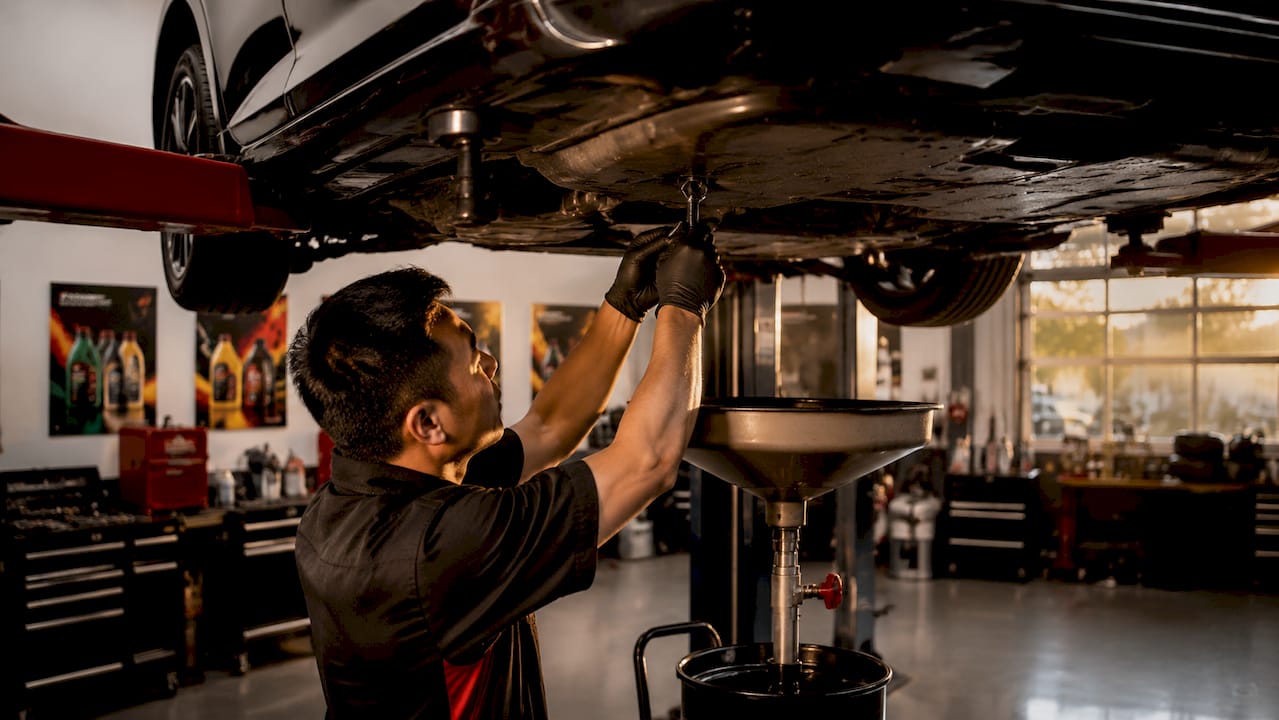
Oil changes matter just as much. Fresh oil reduces friction inside the engine, which means the engine burns less fuel to do the same work. Dirty, degraded oil forces your engine to work harder, and that extra effort shows up on your gas bill every week.
Air filters are the unsung heroes of fuel economy. Replacing your air filter every 12 months or 12,000 miles improves engine power and fuel efficiency by keeping the combustion process clean and oxygen-rich. Skip it, and your engine essentially tries to breathe through a clogged straw.
The national average annual maintenance cost sits at approximately $900. That figure sounds significant, but a single major repair from neglect, like a seized engine or a warped rotor, can cost three to five times that amount in one visit.
| Maintenance Task | Frequency | Cost Benefit |
|---|---|---|
| Oil change | Every 3,000–5,000 miles | Prevents engine wear, improves MPG |
| Tire pressure check | Weekly | Up to 6% fuel economy gain |
| Air filter replacement | Every 12 months or 12,000 miles | Restores engine power and efficiency |
| Brake inspection | Every 12,000 miles | Avoids costly rotor and caliper damage |
| Fluid top-off | Monthly | Prevents overheating and transmission failure |
Pro Tip: Set a recurring phone reminder on the first of each month to check tire pressure and fluid levels. Five minutes of prevention beats a $400 repair every time.
What car care tasks should daily commuters prioritize?
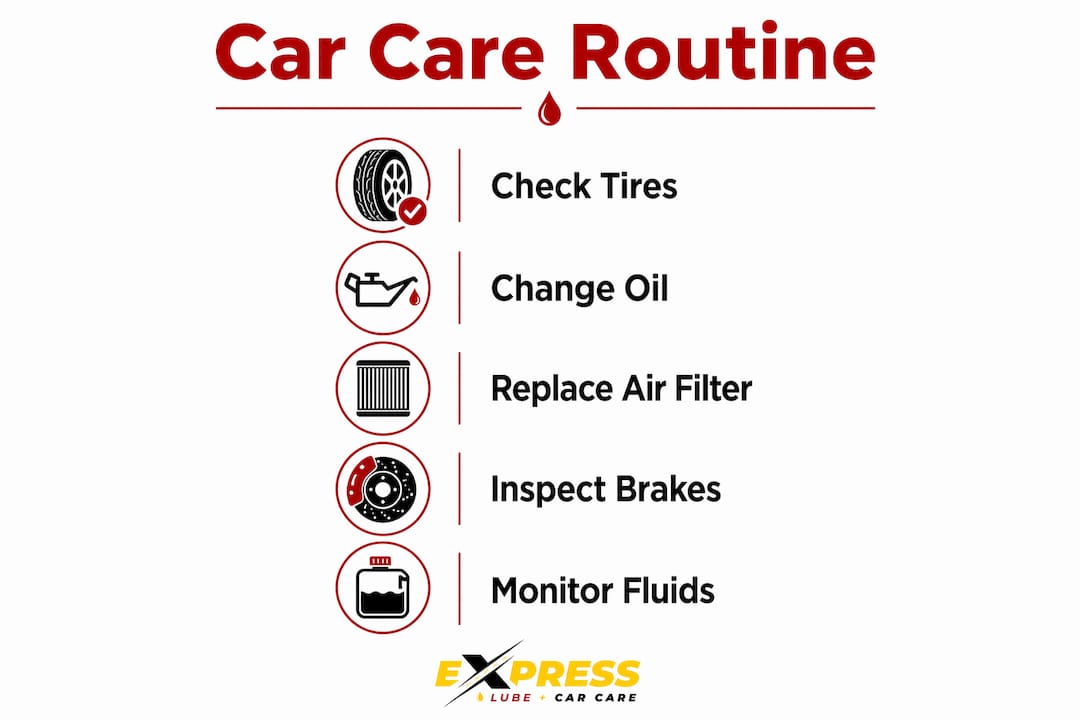
Daily commuters need a maintenance plan that fits their schedule, not a mechanic’s ideal world. The good news is that most self-maintenance tasks are visual or sensory and require zero technical expertise. You just need to know what to look for.
Here is a practical maintenance schedule built around commuting patterns:
- Every week: Check tire pressure, scan all fluid levels (oil, coolant, brake fluid, windshield washer), test all exterior lights, and inspect wiper blades for streaking or tearing.
- Every month: Look under the hood for any visible leaks, check battery terminals for corrosion, and clean the interior to prevent debris from clogging air vents.
- Every 3,000–5,000 miles: Change the engine oil and replace the oil filter. Review your oil change tips to choose the right oil type for your vehicle and climate.
- Every 12 months or 12,000 miles: Replace the engine air filter and cabin air filter. Inspect brake pads and rotors for wear.
- Every 30,000 miles: Flush and replace coolant, inspect spark plugs, and check the transmission fluid condition.
Following manufacturer service intervals is the most cost-effective way to avoid unnecessary expenses while keeping your vehicle running at full capacity. Manufacturers design these intervals based on real-world wear data, so they are not arbitrary suggestions.
Dashboard warning lights are your car’s way of sending up a flare. A check engine light, a tire pressure warning, or a battery indicator all signal that something needs attention now, not next month. Ignoring them is like turning off a smoke alarm instead of looking for the fire.
Pro Tip: Keep a small notebook or use a notes app to log every service visit with the date and mileage. This record helps your mechanic spot patterns and predict what needs attention next.
Does skipping car maintenance actually affect your safety?
Neglecting vehicle upkeep does not just cost money. It puts you and everyone around you at risk. 30% of drivers never perform basic road-ready checks, and 1 in 3 vehicles on the road has dangerously low oil levels. Those numbers mean a significant portion of the cars sharing your commute are one bad day away from a breakdown or worse.
Here are the most commonly overlooked safety items and what happens when you ignore them:
- Brakes: Worn brake pads increase stopping distance significantly. In stop-and-go traffic, that extra few feet can be the difference between a close call and a collision.
- Windshield wipers: Streaky or torn wipers reduce visibility in rain to near zero. Most drivers replace them only after they fail completely.
- Headlights and taillights: A burned-out light makes you invisible to other drivers at night and is an immediate traffic stop waiting to happen.
- Tire tread depth: Bald tires lose grip on wet roads. Hydroplaning at highway speed is not a recoverable situation.
- Battery health: Short stop-and-go commutes accelerate battery fatigue because the alternator never gets enough time to fully recharge the battery between stops.
Small ignored habits accumulate into major vehicle deterioration over time. A slow oil leak ignored for six months becomes a seized engine. A slightly soft tire driven on for weeks becomes a blowout on the freeway. The vehicle does not fail all at once. It fails in slow motion, and maintenance is what stops that process.
How can busy commuters build a realistic car care routine?
The biggest barrier to good car upkeep is not cost or complexity. It is time. Most commuters feel like they barely have enough hours in the day, so car maintenance gets pushed to “later” until something breaks. Here is how to make it fit your actual life.
- Attach checks to existing habits. Check tire pressure every Sunday when you fill up for the week. Glance at fluid levels every time you pop the hood for any reason. Small checks tied to existing routines stick.
- Use the same mechanic every time. Building a documented service history with one trusted shop helps predict and prevent future component failures. Your mechanic starts to know your car the way a doctor knows a long-term patient.
- Know what you can do yourself versus what needs a pro. Checking fluids, testing lights, and inspecting tires are all DIY tasks. Brake work, suspension checks, and electrical diagnosis belong in a shop.
- Schedule preventive visits during low-stress weeks. Do not wait for a warning light. Book your oil change and inspection during a calm week so you control the timing, not the breakdown.
Routine maintenance converts unpredictable breakdowns into scheduled appointments. Think of it as time management for your car. You are not just protecting the vehicle. You are protecting your schedule, your budget, and your peace of mind.
For drivers with high-mileage vehicles, the stakes are even higher. Check out these high mileage car care tips to understand which systems need extra attention as the odometer climbs.
Listening for changes in braking noise or engine pitch can reveal problems weeks before a warning light ever activates. Your ears are a free diagnostic tool. Use them.
Key takeaways
Consistent preventive maintenance is the most reliable way to protect your safety, your budget, and your commute reliability every single day.
| Point | Details |
|---|---|
| Tire pressure saves money | Correct pressure improves fuel economy by up to 6%, adding up to real annual savings. |
| Air filters matter more than most think | Replace every 12 months or 12,000 miles to maintain engine power and fuel efficiency. |
| Neglect creates safety risks | 1 in 3 vehicles has dangerously low oil, making breakdowns and accidents more likely. |
| Routine beats reactive repairs | The national average maintenance cost is $900 annually, far less than a single major repair. |
| Service history predicts failures | Using the same mechanic and logging visits helps catch problems before they become emergencies. |
Why i think most commuters have car care backwards
Here is my honest take after years of watching how drivers treat their vehicles: most people treat car maintenance like a punishment instead of a tool. They wait for something to go wrong, pay a big bill, feel frustrated, and then go right back to ignoring the car until the next crisis.
The shift that changed everything for me was treating my weekly checks as a five-minute investment, not a chore. I started catching a slow tire leak before it became a flat on the highway. I noticed my oil was darker than it should be at 3,500 miles instead of 5,000, which told me my engine was working harder than normal in summer heat. Those small observations saved me real money and real stress.
The misconception I hear most often is that regular maintenance means over-maintaining, spending money on things that are not broken yet. That framing is wrong. You are not fixing things that are fine. You are reading your car’s condition and staying ahead of the curve. There is a big difference between those two things.
The other thing worth saying plainly: you do not need to be a mechanic to take care of your car. Most of the checks that matter most are visual and sensory. Look at the oil. Feel the tire pressure. Listen to the brakes. Your car tells you what it needs. You just have to pay attention.
— Hassan
Keep your commute running smoothly with Expresslubearlington
If you are ready to stop reacting to car problems and start preventing them, Expresslubearlington is built for exactly that. As a RepairPal Certified Shop and CarFax Top-Rated Service Center in the DFW area, our ASE-certified technicians handle everything from quick oil changes to full mechanical repairs.
Whether you need a routine oil change to protect your engine or a full car maintenance schedule built around your mileage, we make it fast and straightforward. We also offer current service specials so you can keep your vehicle in top shape without stretching your budget. Stop by Expresslubearlington and let us help you turn your commute from a gamble into a guarantee.
FAQ
How often should daily commuters change their oil?
Most daily commuters should change their oil every 3,000–5,000 miles, depending on the vehicle and oil type. Consult your owner’s manual or a trusted mechanic for the interval that fits your specific driving conditions.
Does tire pressure really affect fuel economy?
Yes. Maintaining proper tire pressure can improve fuel economy by up to 6%, which translates to meaningful savings for drivers logging high annual mileage. Check pressure weekly for the best results.
What maintenance tasks can i do myself as a commuter?
Checking tire pressure, inspecting fluid levels, testing lights, and examining wiper blades are all tasks any driver can handle without tools or training. These weekly checks significantly improve reliability and safety.
How does stop-and-go traffic affect my vehicle?
Short stop-and-go commutes accelerate battery fatigue and fluid breakdown because the engine never reaches optimal operating temperature for long enough. Commuters in heavy traffic should check battery health and fluid condition more frequently than the standard schedule suggests.
What is the average annual cost of vehicle maintenance?
The national average annual vehicle maintenance cost is approximately $900, driven primarily by proactive scheduled services. Skipping that maintenance typically leads to repair bills that far exceed that figure in a single visit.