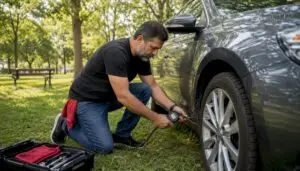

A typical car diagnostic fee runs $60 to $250 at an independent shop and $100 to $500 or more at a dealership, depending on the complexity of the problem. Most of that cost covers technician time, not just plugging in a scanner. Before you agree to anything, do one thing: ask the shop, in writing, whether the diagnostic fee gets credited toward the repair if you approve the work.
- Independent shops: roughly $60 to $250 for most issues
- Dealerships: roughly $100 to $500, especially for electrical or intermittent faults.
- The fee pays for skilled labor, professional-grade tools, and a written diagnosis, not just a code readout
- Get the crediting policy and scope of work in writing before you say yes
TL;DR:
- Diagnostic fees at dealerships usually range from $100 to $500, especially for electrical or complex faults, whereas independents typically charge $60 to $250.
- The cost covers more than a code readout; it includes symptom documentation, live-data testing, subsystem checks, and a written report, which can extend the process beyond basic scans.
- Longer and more involved diagnostics, such as multi-system or electrical fault testing, can cost up to $300 or more depending on testing hours required.
- Always confirm whether the diagnostic fee will be credited toward repairs and get the policies, scope, and costs in writing before authorizing work.
- Choosing a shop that credits the diagnostic fee and provides detailed digital reports can save money and improve clarity on repairs needed.
Table of Contents
- How Much Is a Car Diagnostic Test, Really?
- What Does a Diagnostic Fee Actually Pay For?
- Dealership vs. Independent Shop: Why Prices Differ
- What Should You Ask Before Authorizing Diagnostics?
- When Is a Diagnostic Fee Waived or Credited?
- Can You Lower Your Diagnostic Bill?
- How Express Lube & Car Care Handles Diagnostics
- Is It Worth Paying for Diagnostics?
- Book a Diagnostic Without the Guesswork
- Key Takeaways
- Sources
- FAQ
How Much Is a Car Diagnostic Test, Really?
The honest answer is “it depends on what’s wrong,” but the ranges are more predictable than most drivers expect. RepairPal estimates the average general diagnosis lands between $122 and $179 nationwide, and that figure holds up as a solid baseline whether you’re dealing with a rattling suspension or a mystery dashboard light.
Break it down by scope and the picture gets clearer:
- Basic OBD-II scan: $60 to $160, usually a quick code pull with minimal interpretation
- Check-engine light diagnosis: often costs more, since these often require chasing an intermittent sensor or emissions issue
- Extended or multi-system diagnostics: up to $300 when a technician has to test several modules or run live-data sessions
- Complex electrical diagnostics: can exceed $300, particularly on newer vehicles packed with computer modules
Auto diagnostic cost drivers: shops calculate the fee as labor hours multiplied by the hourly rate, sometimes bundled into a flat fee. A shop billing $145 an hour that spends an hour chasing a fault will land close to the $145 to $155 range one real-world case documented, even before any repair work begins.
The variable that swings the price most is how many hours the technician actually spends testing, not the sticker price of the diagnostic itself.
What Does a Diagnostic Fee Actually Pay For?
A vehicle diagnostic pricing structure isn’t just “plug in a machine and read a code.” Here’s the typical workflow behind that invoice line:
- Intake and symptom documentation — the service writer logs what you’re experiencing, when it happens, and under what conditions.
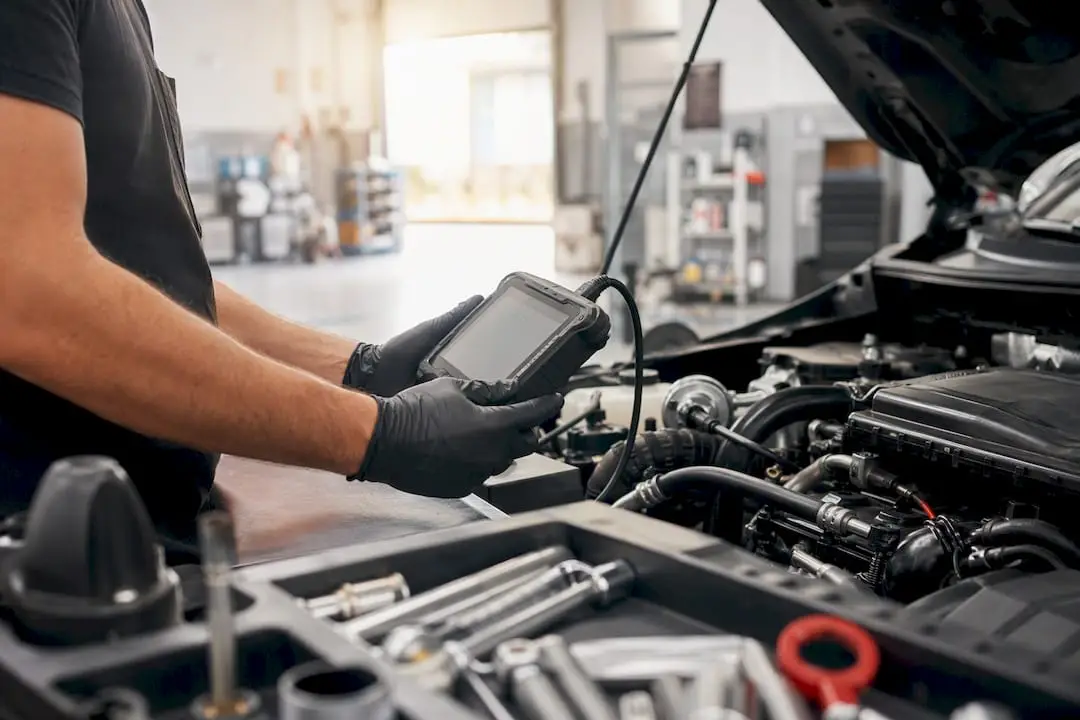
- Scanner hookup and code read — the technician connects a professional scan tool and pulls stored and pending codes.
- Live-data testing — codes point to a system, but live sensor data confirms what’s actually failing in real time.
- Subsystem testing — wiring checks, component tests, or fluid pressure tests narrow down the exact part.
- Written report and repair estimate — you get a documented diagnosis and a cost breakdown before any repair starts.
That last step is where a lot of car owners get surprised, because a basic parts-store code read stops at step two. A full diagnostic workflow that includes live-data testing takes real time and relies on tools that cost shops thousands of dollars a year in subscriptions.
Pro Tip: Ask whether your diagnostic includes live-data testing or just a code pull. The difference between the two explains most of the price gap you’ll see between a free scan and a paid one.
Dealership vs. Independent Shop: Why Prices Differ
Here’s where a lot of car owners overpay without realizing it. Dealership hourly labor rates run higher across the board, and that shows up directly in the diagnostic bill.
- Dealerships typically charge $100 to $500 for diagnostics, often treating the fee as equivalent to an hour of technician labor
- Independent shops usually charge less for the same diagnostic work, since overhead and hourly rates tend to run lower
- Dealerships carry proprietary access to manufacturer-specific software, which matters for warranty claims, recalls, or brand-specific electrical gremlins
- An independent shop with modern scan tools handles the vast majority of check-engine and drivability issues just as effectively
If your car is under factory warranty or affected by an open recall, the dealership route usually makes sense because the diagnostic and repair may be covered outright. Outside of that, an independent shop built for dealership-alternative service typically delivers the same diagnostic accuracy for a lower hourly rate.
What Should You Ask Before Authorizing Diagnostics?
Before any technician touches your car, get clarity on the pricing model. Shops usually run one of three ways: a flat diagnostic fee, an hourly rate with a stated cap, or a tiered structure based on complexity.
- What’s the total price, and is it flat or hourly?
- How much labor time does that price include?
- Does the fee get credited toward the repair if I approve the work?
- What will I receive? Ask for a written report, not just a verbal summary.
- What happens if the diagnosis reveals a bigger problem? Confirm you’ll get a new estimate before any additional work begins.
Pro Tip: If a shop won’t put its diagnostic fee, scope, or crediting policy in writing, treat that as a warning sign. A shop confident in its pricing has no reason to keep it verbal.
Reputable shops follow written-estimate rules as standard practice, not as a favor. If a shop hesitates, ask for a second opinion elsewhere before authorizing anything.
When Is a Diagnostic Fee Waived or Credited?
Plenty of car owners pay a diagnostic fee they didn’t actually need to pay. A few situations change the math:
- Factory warranty coverage: if your vehicle is still under warranty, diagnostics related to a covered defect are often included. Ford’s own guidance confirms this varies by situation, so verify by VIN before assuming.
- Open recalls: if the symptom traces back to a recalled part, diagnostics tied to that fix are typically covered.
- Charge-and-credit policies: many shops charge the fee upfront but apply it as a credit toward the repair once you approve the work. This is common industry practice, but it’s shop-specific, so get it confirmed before the technician starts.
- First-time customer promotions or coupons: some shops waive or discount diagnostic fees to earn new business.
Always ask for the waiver or crediting policy in writing rather than assuming it applies.
Can You Lower Your Diagnostic Bill?
You have more control over this cost than most people realize. A few practical moves:
- Parts-store scans are free but limited. They read stored codes but usually skip the live-data testing that catches intermittent problems, so they’re a starting point, not a diagnosis.
- Ask for a targeted diagnostic. If you already know the symptom (a specific noise, a specific warning light), request that the technician focus there instead of paying for a full-vehicle scan.
- Get a second opinion on expensive findings. If a diagnostic comes back recommending a costly repair with vague explanation, it’s reasonable to get a second read before committing to the work.
- Approve reasonable repairs the first time. Declining a diagnosis and returning later for a second one means paying the fee twice for the same problem.
How Express Lube & Car Care Handles Diagnostics
Express Lube & Car Care runs its diagnostic process the way this guide describes it should work. Every technician on staff is ASE-certified, the shop holds RepairPal Certified Shop status, and CarFax recognizes it as a Top-Rated Service Center. Every repair also carries a 24-month/24,000-mile warranty.
- Written estimates before any diagnostic or repair work begins
- Diagnostic fees credited toward the repair when you approve the work
- Digital vehicle inspection reports so you see exactly what the technician found
- Coupons and financing options available for larger repairs
Pro Tip: Ask to see your digital inspection report photos, not just a text summary. A shop that documents findings visually has less room to guess.
Is It Worth Paying for Diagnostics?
Pay for a professional diagnostic when the symptom is vague, the car is under 10 years old, or the repair estimate could run into hundreds of dollars. A newer vehicle with an unclear electrical issue isn’t a guessing game worth losing. Always get the fee, scope, and crediting policy in writing first.
— Hassan
Book a Diagnostic Without the Guesswork
Express Lube & Car Care handles diagnostics the way this article describes them working: a written estimate up front, a fee that gets credited toward your repair when you approve the work, and a digital inspection report so you see exactly what the technician found. That’s the practical difference between a shop that hides its pricing model and one that puts it on paper before you ever authorize anything.
If your check-engine light is on or something feels off, schedule a diagnostic appointment and ask about current mechanical repair specials, including the $45 off mechanical repairs coupon available for Arlington drivers. Bring your symptoms, ask for the written policy on crediting, and you’ll walk in knowing exactly what you’re paying for.
Key Takeaways
A car diagnostic fee typically runs $60 to $250 at an independent shop and $100 to $500 at a dealership, and should be credited toward any approved repair.
| Point | Details |
|---|---|
| Know the national range | Expect $122 to $179 for a general diagnosis, per RepairPal’s benchmark data. |
| Understand what you’re paying for | The fee covers intake, live-data testing, subsystem checks, and a written report, not just a code read. |
| Compare dealer vs. independent pricing | Dealerships often charge $100 to $500; independents usually charge less for comparable work. |
| Get policies in writing | Confirm crediting, scope, and total cost before authorizing any diagnostic work. |
| Choose a shop with clear policies | Express Lube & Car Care credits diagnostic fees toward approved repairs and provides written, digital inspection reports. |
Sources
- General Diagnosis Cost Estimate — RepairPal
- Woman declines repair after paying $155 diagnostic fee — Motor1
- Diagnostic test car cost — CostInsider
- Diagnostic fee at dealership — FINN
FAQ
How Much Should a Car Diagnostic Cost?
Most drivers should expect $60 to $250 at an independent shop or $100 to $500 at a dealership, with RepairPal’s national average sitting between $122 and $179.
How Much Do Diagnostics Cost on a Car With a Complex Electrical Issue?
Complex or intermittent electrical faults can push costs toward $300 or more since they require extended live-data testing rather than a simple code read.
Is a $200 Diagnostic Fee Normal?
Yes, a diagnostic fee in the middle of the typical range falls within the normal range, especially at a dealership or for a check-engine diagnosis involving multiple systems.
Will AutoZone Run a Free Diagnostic?
Many auto parts stores offer a free basic code scan, but it typically only reads stored codes without the live-data testing a professional diagnostic includes.
Does Express Lube & Car Care Credit the Diagnostic Fee Toward Repairs?
Yes, Express Lube & Car Care applies the diagnostic fee as a credit toward the repair cost when you approve the recommended work.