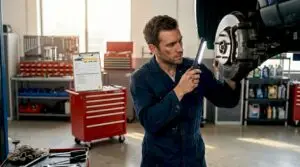

A visible oil drip is not normal. The usual suspects are a loose drain plug or oil filter, a failing valve cover or oil pan gasket, or a worn rear main seal. Before anything else, park on level ground, pull the dipstick, and check the level. If it’s low, top it off. If the drip is small and steady, skip the highway trip and get it looked at soon.
- Low oil level: top off with the correct grade and monitor closely
- Steady drip or puddle: avoid long drives; schedule a shop visit
- Oil light on or smoke: stop driving now and call for a tow
Key Takeaways
An oil drip always signals a failing seal, gasket, or loose fitting, and the cost of fixing it climbs sharply the longer it’s ignored.
| Point | Details |
|---|---|
| No such thing as normal | Any visible drip means a seal or gasket is failing, not something to shrug off. |
| Check post-service drips fast | Fresh drips after an oil change are usually a loose drain plug or double-gasket, both cheap fixes. |
| Know your stop-driving signs | Oil pressure light, steady puddles, or smoke mean stop driving and call for a tow. |
| Costs scale with labor | Drain plug fixes run $20 to $50 while rear main seal repairs can top $800. |
| Book a diagnostic early | Expresslubearlington uses digital inspections and UV dye testing to pinpoint leaks before small fixes turn costly. |
Table of Contents
- Is a Small Oil Drip After an Oil Change Normal?
- What Are the Most Common Causes of an Oil Drip?
- Can I Drive My Car if It’s Dripping Oil?
- How Do You Find Where an Oil Drip Is Coming From?
- How Much Does It Cost to Fix an Oil Drip?
- How Can You Prevent Oil Drips in the First Place?
- When Should You Call a Mechanic About an Oil Drip?
- What I’ve Learned Watching Drivers Handle Oil Drips
- Get Your Oil Drip Diagnosed Before It Gets Expensive
- Sources
- FAQ
Is a Small Oil Drip After an Oil Change Normal?
A little residual oil right after service isn’t automatically a leak. Clean, amber drops that don’t come back are often just runoff from the filter housing or a splash from the drain plug area. Dark, dirty oil that keeps showing up is a different story.
- Clean, light-colored spot that disappears after a day: usually harmless residue
- Recurring dark spot growing in size: likely an active leak
- Oil pooling directly under the filter or plug: check for a loose fit first
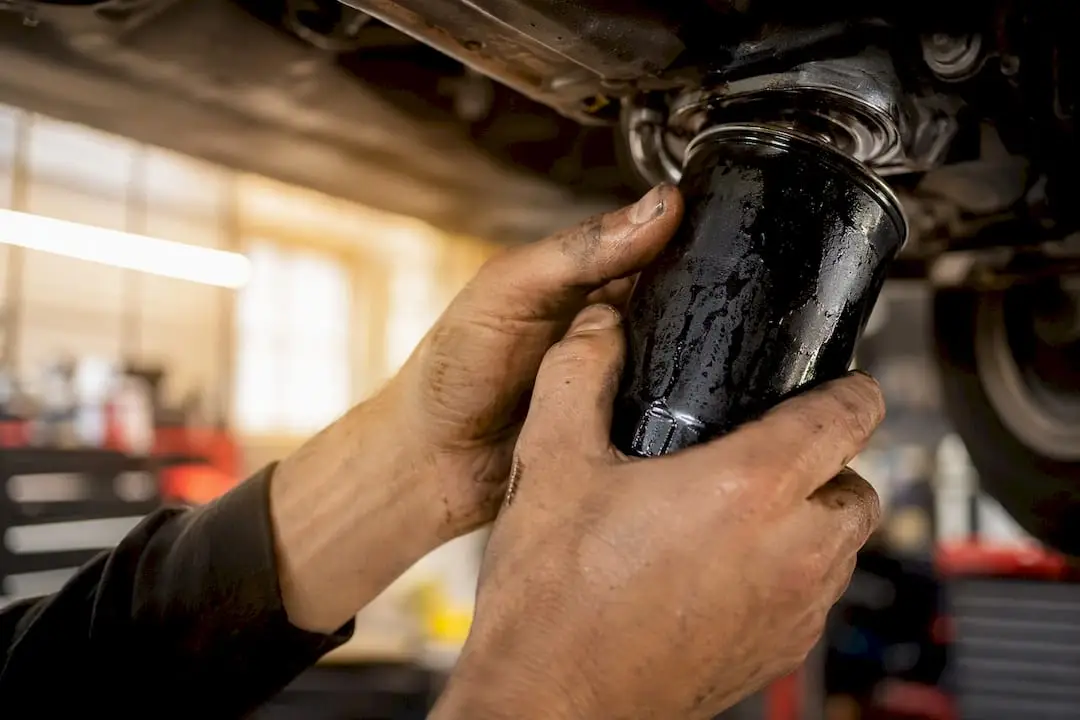
The two most common post-service culprits are a double-gasket left behind when the old filter gasket sticks to the mounting surface, and a drain plug that wasn’t torqued correctly. Both are cheap, fast fixes when caught early.
Pro Tip: Snap a photo of the spot the day it appears, then check again in 24 hours. If it hasn’t grown, it’s probably just leftover oil working its way out. If it has, don’t wait on it.
What Are the Most Common Causes of an Oil Drip?
Any drip you can actually see means a seal, gasket, or piece of hardware is no longer doing its job. Minor seepage does happen on higher-mileage engines, but oil leaks don’t heal themselves and tend to get worse as rubber components harden and crack from years of heat cycles.
- Valve cover gasket — sits on top of the engine, so leaks show up as oil dripping down the sides of the block and often bring a faint burning smell when oil hits the exhaust.
- Oil pan gasket or pan damage — drips appear bottom-center under the engine; a cardboard test overnight helps confirm the location.
- Drain plug or oil filter issues — the most likely cause if the drip started right after your last service; look for a missing crush washer or a cross-threaded filter.
- Rear main seal or crank seals — heavier leaks that show oil pooling between the engine and transmission, usually the most expensive to fix.
- PCV system problems — a clogged or failing PCV valve builds excess crankcase pressure, which pushes oil past seals and gaskets that would otherwise hold fine.
The three most frequent sources are the valve cover gasket, the oil pan gasket, and the rear main seal, and severity climbs in roughly that order. Skip the bottle of stop-leak additive sold at the parts counter. Those products are a temporary patch at best and can complicate the actual repair down the road.
Can I Drive My Car if It’s Dripping Oil?
Short answer: sometimes, but only briefly and only if you’re watching it closely. Check your level by pulling the dipstick on level ground with the engine cool, wiping it clean, reinserting fully, and reading where the oil sits between the low and full marks.
- Okay to drive short distances: a tiny seep and a level that hasn’t dropped between checks
- Stop immediately: oil pressure light on, a steady puddle forming, or smoke from under the hood
Driving on a slow leak carries real risk. Beyond gradual oil-level loss and engine wear, oil that reaches hot exhaust components can, in rare cases, ignite.
Pro Tip: Keep a quart of the right oil grade in your trunk and check the dipstick every morning until the leak is diagnosed. A dropping level between checks is your early warning system.
How Do You Find Where an Oil Drip Is Coming From?
A few low-tech checks at home can point you in the right direction before you ever call a shop.
- Park on level ground and let the engine cool for 5 to 10 minutes so oil has time to settle and drip where it actually originates.
- Grab a flashlight and look along the bottom of the engine and transmission for fresh, wet oil versus old grime.
- Slide a large piece of cardboard under the car overnight, then check it in the morning to map exactly where drips land.
- Inspect the drain plug and filter area closely for fresh oil, especially if you had service done recently.
- Leaks travel more than most drivers expect. Oil from a valve cover can run down and pool at the pan, making it look like the pan is the problem when it isn’t.
- That’s exactly why shops degrease the engine, add UV dye, and run a test drive rather than guessing from a single glance underneath.
How Much Does It Cost to Fix an Oil Drip?
Cost depends almost entirely on how much labor it takes to reach the failing part, not on the part itself. A drain plug washer costs pennies. A rear main seal means pulling the transmission.
- Drain plug or crush washer: roughly $20 to $50, often fixed same-day
- Oil filter reseat or double-gasket fix: minimal parts cost, quick turnaround
- Valve cover gasket: typically $150 to $450, moderate labor
- Oil pan gasket: typically $200 to $600, more labor to drop the pan
- Rear main seal: $800 or more, since the transmission usually has to come off
The jump in price from valve cover to oil pan to rear main seal tracks almost exactly with how much of the drivetrain has to come apart to get at the seal. A gasket that takes 30 minutes to swap costs a fraction of one buried behind six other components.
How Can You Prevent Oil Drips in the First Place?
Most oil drips trace back to skipped maintenance or a rushed service job, not bad luck.
- Stick to your manufacturer’s oil change interval and use the oil grade listed in your owner’s manual.
- Buy quality filters and always replace the crush washer on the drain plug rather than reusing an old one.
- Ask your tech to do a quick visual check of gaskets and the PCV valve at every service, not just at the first sign of trouble.
- On higher-mileage engines, budget for gasket attention proactively. Old rubber hardens whether you’re watching for it or not.
Letting oil changes lapse does double damage: it starves seals of fresh, clean oil and lets contaminated sludge build up, which accelerates gasket failure from the inside out.
When Should You Call a Mechanic About an Oil Drip?
Get it looked at right away if you see the oil pressure light, a steady puddle, rapid oil loss between checks, or any smoke or burning smell.
When you call, tell the shop exactly where the oil shows up, when you first noticed it, your last oil change date, and any warning lights or noises. Ask what diagnostic steps they’ll use, what labor to expect, whether the repair carries a warranty, and how they’ll confirm the fix actually worked.

What I’ve Learned Watching Drivers Handle Oil Drips
Most drivers either panic over a harmless residue spot or ignore an active leak because the car “still runs fine.” Both reactions cause problems. The car running fine today tells you nothing about the seal that’s slowly hardening under the hood.
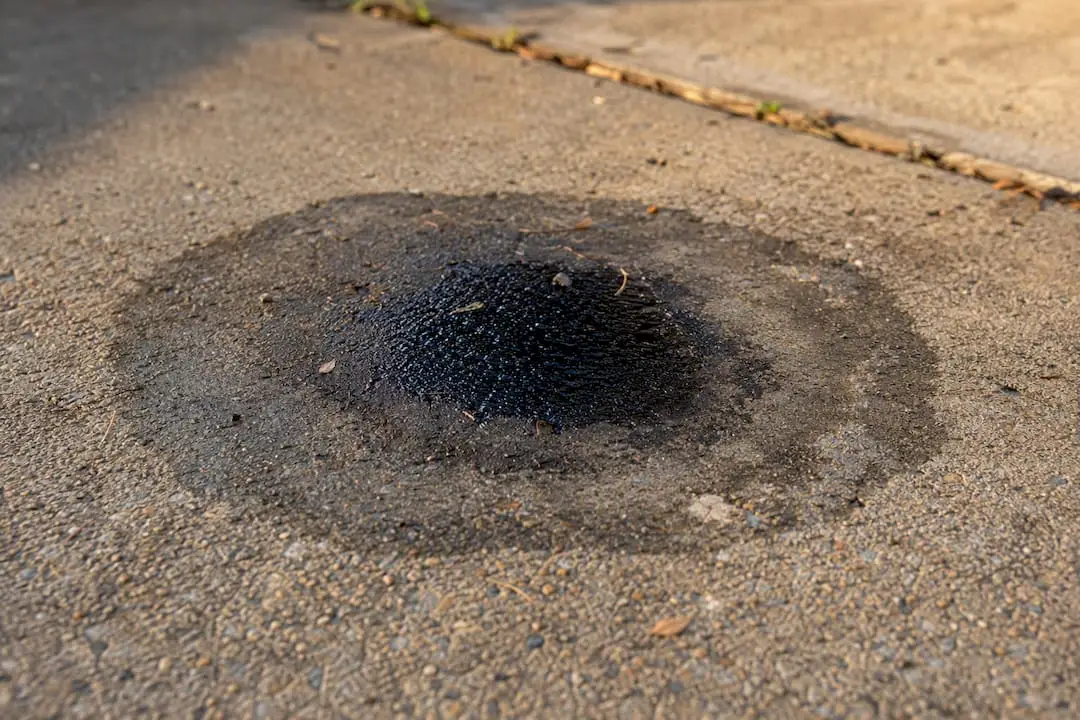
Our ASE-certified techs see this pattern constantly: a $30 drain plug fix that could have been caught in week one turns into a $600 pan gasket job because nobody checked the driveway for six months. As a RepairPal Certified shop recognized by CarFax, we lean on the same degreasing and UV dye process shops rely on nationwide, then verify the fix with a real test drive instead of just sending you off hoping it holds.
Get Your Oil Drip Diagnosed Before It Gets Expensive
A drain plug washer costs you almost nothing to fix today. A neglected rear main seal costs you a transmission removal six months from now. Expresslubearlington closes that gap with same-visit diagnostics instead of the guesswork you’d get trying to trace a leak in your own driveway.

Our ASE-certified technicians run a full digital vehicle inspection on every visit, use UV dye when a leak source isn’t obvious from a visual check, and back covered repairs with a 24-month, 24,000-mile warranty. If you’re not sure whether that spot in your driveway needs attention now or can wait, our engine diagnostics team can tell you in one visit instead of leaving you to watch it grow. Stop by Expresslubearlington and get it checked before a cheap fix turns into a expensive one.
Sources
- Why Is My Car Leaking Oil? | The Family Handyman
- Motor oil leak repair, fast diagnosis and real-world costs | CarParts blog
- Oil leak symptoms and repair guidance | Autowner
- Car oil leaks: How to spot and fix them | The AA
FAQ
Is It Normal for Oil to Drip From a Car?
No. A visible drip means a gasket, seal, or piece of hardware isn’t sealing properly, and it tends to get worse over time rather than resolve on its own.
Can I Drive My Car if It’s Dripping Oil?
You can drive short distances if the drip is minor and your oil level stays stable between checks, but a steady puddle, oil pressure light, or smoke means you should stop driving and call for service.
What Causes an Oil Drip Right After an Oil Change?
The most common causes are a loose drain plug, a poorly seated filter, or a double-gasket where the old filter gasket sticks to the mounting surface and blocks the new one from sealing.
Can an Oil Leak Ruin Your Engine?
Yes, if ignored long enough. A slow leak drains oil the engine needs for lubrication, and continued driving on low oil accelerates wear on internal components that can eventually cause serious engine damage.
How Much Does It Cost to Fix an Oil Drip?
Costs range from about $20 to $50 for a drain plug fix up to $800 or more for a rear main seal, since labor to access the part drives the price far more than the part itself.