

TL;DR:
- Skipping oil changes leads to engine sludge buildup and increased risk of damage. Regularly following manufacturer intervals and replacing filters protects engine health. Neglecting proper maintenance can cause costly repairs and void vehicle warranties.
Skipping oil changes is defined as the leading cause of preventable engine damage in personal vehicles. When you delay or skip this service, engine oil breaks down, loses its ability to lubricate moving parts, and forms sludge that blocks oil passages and causes overheating. Modern full synthetic oils are rated for 7,500–10,000 miles between changes, yet many drivers still push well past that. Skipping oil changes can also void your vehicle warranty if you cannot produce service records. The common mistakes skipping oil changes creates are avoidable. Knowing what they are is the first step toward protecting your engine and your wallet.
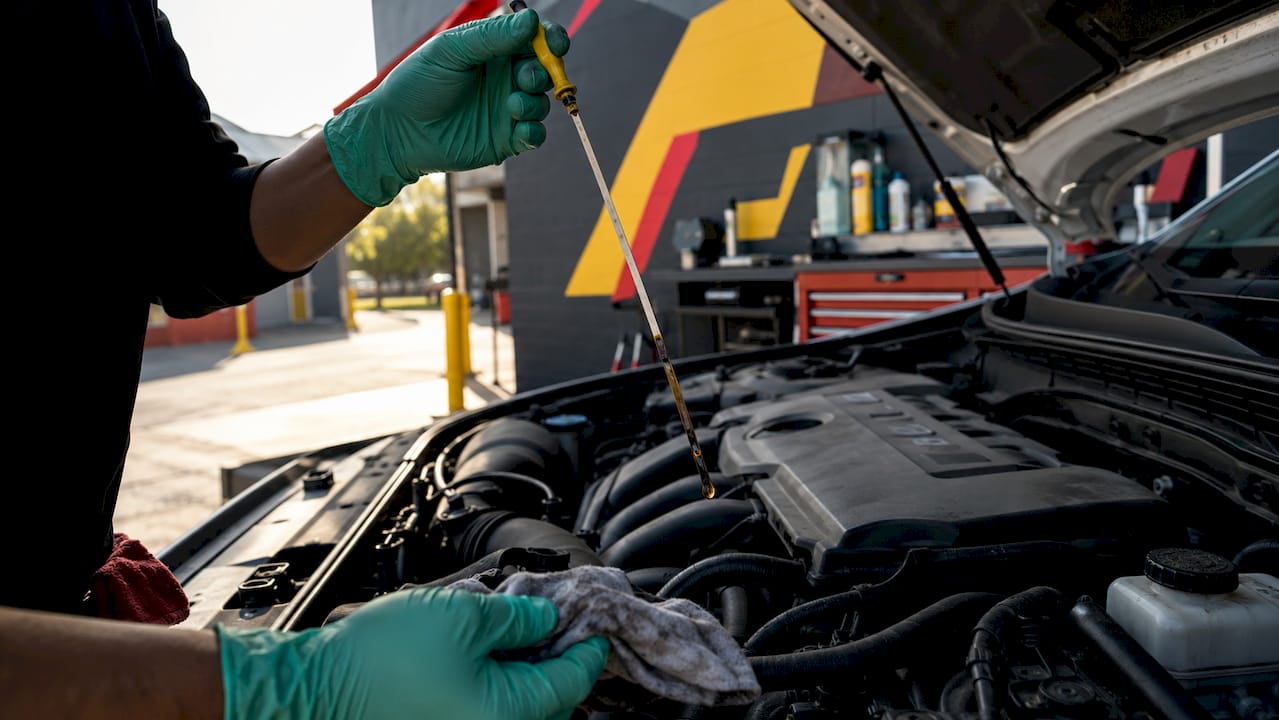
1. Common mistakes skipping oil changes: ignoring manufacturer intervals
Your owner’s manual lists the exact oil change interval for your specific engine. Ignoring it is the single most common oil change frequency mistake drivers make. Manufacturers engineer those intervals based on real engine tolerances, not guesswork. Pushing past the recommended mileage means your oil is working overtime with degraded additives and growing contamination.
Pro Tip: Pull out your owner’s manual right now and write the next service mileage on a sticky note inside your glove box. It takes 30 seconds and saves you from forgetting.
2. Assuming synthetic oil lasts forever
Full synthetic oil is tougher than conventional oil, but it still degrades. Many drivers assume that because they paid more for synthetic, they can skip changes indefinitely. That thinking leads directly to sludge buildup and restricted lubrication. Even the best synthetic oil picks up combustion byproducts, metal particles, and moisture over time.
Modern synthetic oils and engine technology have extended intervals, but severe driving conditions still require more frequent changes. Think of synthetic oil as a high-performance filter, not an indefinite solution.
3. Skipping changes because you drive very little
Low-mileage drivers often feel they can skip oil changes because the odometer barely moves. This is one of the most misunderstood oil change neglect issues. Oil degrades over time due to moisture and oxidation, not just mileage. A vehicle driven only 2,000 miles a year still needs oil changes every 6 to 12 months to prevent acidity and moisture buildup.
Think of oil sitting in a parked engine like milk sitting in a warm refrigerator. Even if you barely touched it, it still goes bad.
4. Forgetting to replace the oil filter
Changing the oil without swapping the filter is like putting clean water through a dirty pipe. The old filter holds trapped contaminants, metal shavings, and sludge. When fresh oil flows through it, that debris circulates right back into your engine. Not replacing the oil filter is one of the most frequent car maintenance errors mechanics see.
Always replace the filter at every oil change. It costs a few dollars and protects the entire lubrication system.
5. Topping off oil instead of changing it
Adding a quart of oil to a low engine is not a substitute for a full oil change. Topping off restores volume but does nothing to refresh the additives that fight wear and corrosion. Those additives deplete over time regardless of oil level. Drivers who rely on top-offs as a maintenance strategy are slowly starving their engine of real protection.
Fresh oil contains detergents, anti-wear agents, and viscosity modifiers. Old oil, even at the right level, has lost most of those properties.
6. Overfilling or underfilling during top-ups
Getting the oil level wrong in either direction causes problems. Underfilling leaves moving parts without enough lubrication, increasing friction and heat. Overfilling creates excess pressure that can push oil past seals and into areas it should never reach, like the combustion chamber. Both conditions accelerate engine wear and can trigger warning lights.
Always use the dipstick to check the level after adding oil. The correct level sits between the two marks on the dipstick, not above the upper mark.
7. Ignoring the Oil Life Monitor
Most vehicles built after 2010 include an Oil Life Monitor (OLM) that calculates remaining oil life based on driving patterns. Many drivers either ignore the alert or reset it without actually changing the oil. The OLM is a tool, not a guarantee. Oil life monitor intervals assume ideal driving conditions. Frequent stop-and-go traffic, extreme temperatures, or short trips can cut the real useful life of your oil in half.
Use the OLM as a starting point, not a final word. Pair it with your owner’s manual for the most accurate guidance.
Why skipped oil changes destroy your engine
Neglecting oil changes triggers a chain reaction inside your engine. Here is what actually happens when oil goes too long without being replaced:
- Oil oxidation: Heat and time cause oil molecules to break down, reducing viscosity and lubrication quality.
- Sludge formation: Combustion byproducts mix with degraded oil to form thick, tar-like sludge that blocks oil passages and starves components of lubrication.
- Increased friction: Without clean oil, metal parts grind against each other, generating heat and accelerating wear.
- Turbocharger damage: Turbocharged engines run at over 10,000 RPM and depend entirely on oil for cooling and lubrication. Degraded oil can destroy a turbo in a single drive.
- Engine seizure: In severe cases, oil starvation causes pistons to weld to cylinder walls. That is a total engine failure.
Sludge buildup should never be treated with aggressive engine flushes. Flushing a sludge-filled engine can dislodge large debris and cause sudden oil starvation. A safer cleaning approach is multiple frequent oil changes with quality oil to gradually clean the system.
How often should you change your oil?
The right interval depends on your oil type, your vehicle, and how you drive. Here is a clear breakdown of current 2026 standards:
| Oil Type | Recommended Interval | Notes |
|---|---|---|
| Conventional | 3,000–5,000 miles | Best for older vehicles or high-stress engines |
| Synthetic blend | 5,000–7,500 miles | Good middle ground for mixed driving |
| Full synthetic | 7,500–10,000 miles | Standard for most modern vehicles |
| Time-based (any oil) | Every 6–12 months | Required even for low-mileage drivers |
Severe driving conditions shorten every one of these intervals. Towing, extreme heat, dusty environments, and constant short trips all count as severe. If you check the box on any of those, treat your interval as if it is one tier shorter than the table shows.
Pro Tip: When shopping for a pre-owned vehicle, always check the oil change service history as part of your inspection. Missing records are a red flag for hidden engine wear.
Warning signs your engine is suffering from oil neglect
Your car will tell you when oil neglect has gone too far. These are the symptoms to watch for:
- Oil warning light: This light means oil pressure has dropped to a dangerous level. Pull over immediately. Do not keep driving.
- Engine knocking or ticking: Metal-on-metal contact creates these sounds when lubrication fails. The knocking noise typically means wear is already happening.
- Dark, gritty oil on the dipstick: Fresh oil is amber and slightly transparent. Black, gritty oil means it is overloaded with contaminants.
- Burning oil smell: Oil leaking onto hot engine components burns and produces a sharp, acrid smell inside the cabin.
- Reduced fuel economy and power: Sludge increases internal resistance, forcing the engine to work harder and burn more fuel.
Any one of these signs means your oil is overdue. Two or more together means you need service today, not next week.
Common misunderstandings that lead to oil change mistakes
1. “Dark oil means it needs changing right now”
Dark oil color alone does not trigger an immediate change. Modern detergent oils turn dark quickly because they are doing their job, suspending contaminants. The actual change interval is based on mileage and time, not color alone.
2. “The 3,000-mile rule still applies”
The 3,000-mile oil change interval is outdated for most cars built in the last 15 years. Modern engines and synthetic oils have made that rule obsolete. Following it wastes money without adding protection.
3. “Mixing synthetic and conventional oil damages the engine”
Modern synthetic oils are fully compatible with conventional oils. Mixing them in an emergency is fine. The blend simply performs at a lower level than pure synthetic.
4. “Skipping one change won’t affect my warranty”
Failure to document oil changes is grounds for warranty claim denial. Manufacturers require proof of regular maintenance. One missing service record can cost you thousands in denied repairs.
5. “Topping off is the same as changing”
Topping off oil replaces volume but does not refresh the additives that fight wear and corrosion. It is a temporary fix, not a maintenance strategy. Drivers who rely on it are building up a repair bill they do not know about yet.
Key Takeaways
Skipping oil changes is the most preventable cause of engine damage, and every delay compounds the cost and risk to your vehicle.
| Point | Details |
|---|---|
| Follow manufacturer intervals | Use your owner’s manual and Oil Life Monitor together for accurate service timing. |
| Low mileage still requires changes | Oil degrades over time; change it every 6–12 months regardless of miles driven. |
| Always replace the filter | A dirty filter recirculates contaminants into fresh oil, defeating the purpose of the change. |
| Document every service | Missing oil change records can void your warranty and cost you thousands in denied claims. |
| Watch for warning signs | Knocking, dark oil, warning lights, and burning smells all signal overdue maintenance. |
What I’ve learned after years of watching drivers skip this one service
Here is the uncomfortable truth: most engine failures I have seen were completely avoidable. Drivers do not skip oil changes because they do not care. They skip them because life gets busy, and an oil change feels like a small thing to push off. The problem is that engines do not send a dramatic warning before they fail. They degrade quietly, one overdue change at a time.
The detail that surprises most people is that an oil change is also an inspection. A good technician checks your belts, hoses, tire pressure, brake condition, and fluid levels while they are under your hood. Skipping the oil change means skipping all of that too. You are not just losing fresh oil. You are losing the early warning system that catches a $40 problem before it becomes a $4,000 one.
My advice for drivers in severe conditions, like DFW summers with stop-and-go commutes, is to err on the side of caution. Treat your interval as shorter than the table says. The cost difference between one extra oil change per year and a single engine repair is not even close. And if you want to reduce long-term repair costs, consistent oil changes are the single highest-return habit you can build.
— Hassan
Protect your engine with certified service at Expresslubearlington
Expresslubearlington is an ASE-certified and RepairPal Certified shop serving drivers across the DFW area. Every oil change includes a multi-point vehicle inspection, so you leave knowing your entire car was checked, not just the oil.
Expresslubearlington uses the correct oil type and filter for your specific vehicle, and every service is documented to keep your warranty intact. The team at Expresslubearlington has earned a Top-Rated Service Center recognition from CarFax, which reflects the standard of care you get on every visit. If you want to protect your engine and avoid the costly repair mistakes that come from neglected maintenance, schedule your next oil change with Expresslubearlington today. Your engine will thank you for it.
FAQ
What happens if you skip an oil change for too long?
Skipping oil changes causes sludge buildup, increased engine friction, and eventual component failure. In severe cases, oil starvation leads to engine seizure and total engine replacement.
How often should you change your oil in 2026?
Full synthetic oil lasts 7,500–10,000 miles, synthetic blend lasts 5,000–7,500 miles, and conventional oil requires changes every 3,000–5,000 miles. All drivers should also change oil every 6–12 months regardless of mileage.
Can skipping an oil change void your warranty?
Yes. Manufacturers require documented proof of regular oil changes. Failure to produce service records is grounds for warranty claim denial, even on a single missed service.
Does dark oil always mean it needs to be changed?
No. Modern detergent oils turn dark quickly as they suspend contaminants. Change intervals are based on mileage and time, not oil color alone.
Is it okay to just top off oil instead of changing it?
Topping off restores oil volume but does not refresh the additives that prevent wear and corrosion. It is a short-term fix, not a substitute for a full oil change.