
Yes: get a professional pre-purchase inspection before you finalize any used-car purchase. A certified inspection reveals mechanical, safety, and structural issues, plus a realistic estimate of what repairs will cost you. Take the written report and use it to negotiate the price, require specific repairs, or walk away entirely.
TL;DR:
- An independent pre-purchase inspection costs about $100 to $150 and provides a detailed report with photos and repair estimates that aid negotiation.
- Essential checks include the engine, transmission, brakes, suspension, tires, undercarriage, interior, HVAC, and safety systems, often requiring a lift inspection and road test.
- Major red flags such as flood damage, significant leaks, transmission issues, or refusal to allow an inspection should prompt you to walk away from the deal.
- Verifying vehicle history, safety recalls, and following federal guidelines ensure the car’s mechanical condition and safety are thoroughly vetted before purchase.
- Booking the inspection with a certified technician and requesting documentation helps protect you legally and gives leverage for price negotiations or repairs.
Table of Contents
- What a comprehensive pre-purchase inspection covers
- How pre-purchase inspections work: logistics, timing, and cost
- How to use the inspection report to negotiate or walk away
- Red flags that should make you pause or walk away
- Evidence and regulatory safeguards buyers should know
- Why we recommend a professional pre-purchase inspection
- How to book your pre-purchase inspection with us
- Sources
- FAQ
What a comprehensive pre-purchase inspection covers
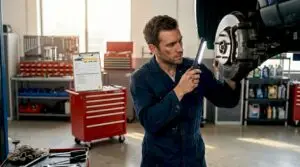
A real pre-purchase car inspection isn’t someone popping the hood and listening for a minute. A thorough version should include a diagnostic scan, a visual walkaround, and a drive, according to Consumer Reports. Here’s what should be on the list when you book one:
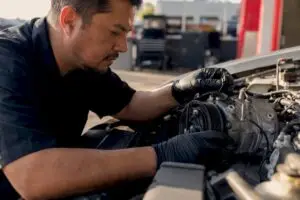
- Engine and transmission: fluid condition, leaks, unusual noises, shifting behavior.
- Cooling and electrical systems: hoses, belts, battery health, wiring, and warning lights.
- Brakes and suspension: pad thickness, rotor condition, struts, and steering response.
- Tires and undercarriage: tread wear patterns, alignment clues, rust, and frame integrity.
- Interior, HVAC, and safety systems: airbags, seatbelts, air conditioning, and dashboard alerts.
A lift inspection matters here because it’s the only way to see the undercarriage clearly, and a road test catches things a stationary check never will, like a transmission that hesitates or brakes that pull to one side. Before you accept any report, insist on three things: the VIN printed on the document so you know it matches the car you’re buying, written repair estimates broken out by item, and photos or video of anything flagged. Our own car inspection checklist walks through these categories in more detail if you want to compare notes before your appointment.
How pre-purchase inspections work: logistics, timing, and cost
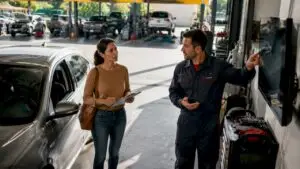
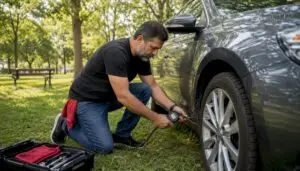
You’ve got two main paths: a mobile inspector who comes to the seller’s location, or a shop-based inspection where the car gets put on a lift. Mobile works well for private-party sales where the seller won’t let the car leave their driveway. Shop inspections make more sense for dealer lots or when you want the full lift-and-diagnostic treatment.
- Confirm the seller will allow an independent inspection and agree on a time.
- Gather the VIN ahead of time so the shop can check for recalls before you even arrive.
- Coordinate who drives the car to the appointment, or confirm the mobile inspector’s arrival window.
- Ask about payment timing: some shops collect at booking, others at drop-off.
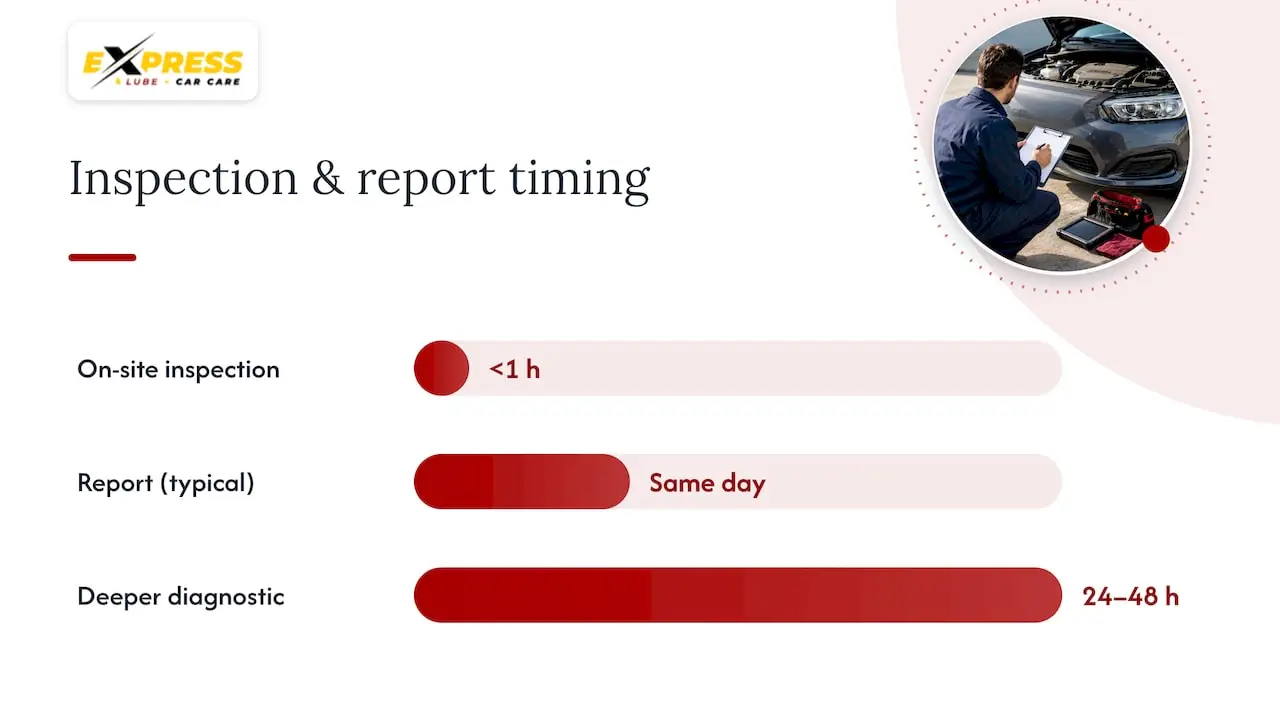
Most inspections take under an hour, and you’ll usually get a report the same day, though some shops need 24 to 48 hours if a deeper diagnostic scan is involved. Cost typically runs about $100 to $150 for a thorough inspection, according to Consumer Reports, though lift access, extra diagnostics, or EV battery health checks can push that higher.
Pro Tip: Call ahead and ask whether the price includes a written estimate with photos. That single document is what gives you leverage later.
How to use the inspection report to negotiate or walk away
The report is only useful if you know how to read it. Start with the summary page, then cross-check the VIN against the car in front of you, then work through the itemized issues and their cost estimates one by one.
- Minor wear items like worn wiper blades or a dirty cabin filter aren’t worth fighting over.
- Moderate issues, such as brake pads nearing replacement or a slow coolant leak, are fair game for a price reduction.
- Major findings, like transmission slipping or frame damage, are grounds to request repairs before closing or to walk away outright.
A simple rule many buyers use: if estimated repair costs climb past a meaningful percentage of the asking price, that’s your signal to renegotiate hard or move on. Once you and the seller agree on anything, whether it’s a price cut or a promise to fix something first, get it in writing and attach the inspection findings to the sales contract. Our guide on how to negotiate car repair prices breaks down phrasing and tactics that tend to work.
Red flags that should make you pause or walk away
Some findings are minor annoyances. Others are the kind of thing that should send you straight out the door. Flood damage is high on that list: a musty interior smell, water lines on lights or panels, or rusted screws under the dash are signs a car spent time underwater, per Consumer Reports. Fresh undercoating or recent welds along the frame rail often point to hidden structural repairs that only show up on a lift, according to reporting from TorqueNews.
Other red flags worth knowing:
- Major oil or coolant leaks visible under the engine or transmission.
- Transmission that hesitates, slips, or shifts roughly during the test drive.
- Airbag warning lights or evidence an airbag was previously deployed and replaced improperly.
- A seller who won’t allow an independent inspection at all.
A thorough inspection typically costs around $100 to $150, according to Consumer Reports, a small price against the repair bills a flood car or a bad transmission can hand you later. If a dealer offers their own “certified” inspection in place of an independent one, treat it as a starting point, not a substitute, since that inspection protects the seller’s interests, not yours.
Evidence and regulatory safeguards buyers should know
You don’t have to take this on faith. Federal rules and free tools back up the idea that an independent inspection belongs in every used-car purchase.
- Under the FTC’s Used Car Rule, dealers must post a Buyer’s Guide on every used vehicle, and that guide explicitly recommends having the car inspected by an independent mechanic before you buy.
- NHTSA’s SaferCar VIN lookup lets you check for open safety recalls tied to that exact vehicle, a step that takes minutes and costs nothing.
- Vehicle history reports cover title and accident history but don’t evaluate mechanical condition, so they work alongside a PPI, never instead of one.
- A written report with the VIN, photos, and itemized estimates gives you something concrete if a dispute comes up later.
Why we recommend a professional pre-purchase inspection
We’ve inspected enough used cars to know that the ones buyers regret are almost always the ones they bought without a second opinion. Our technicians are ASE-certified, and we’re recognized as a RepairPal Certified Shop and a CARFAX Top-Rated Service Center, credentials we take seriously because they reflect how we actually work. Our explanation of what ASE certification means covers why that credential matters when you’re trusting someone with a decision this size.
Our pre-purchase inspection can include digital photos and video, a lift inspection, and a written repair estimate you can use during negotiation. Documentation like that doesn’t just inform you, it protects you if something gets disputed after the sale.
— Express Lube & Car Care
How to book your pre-purchase inspection with us
If you’ve found a used car worth a closer look, our pre-purchase vehicle inspections give you a full mechanical picture before you sign anything, backed by ASE-certified technicians and a written report with photos you can actually use at the negotiating table. Booking is simple, whether you call us or request an appointment online.
- Have the VIN ready before you call or book.
- Confirm the seller allows the vehicle to come to us, or ask about scheduling.
- Request the digital photo and video documentation along with your written estimate.
If the inspection turns up issues you decide to fix after the purchase, our full services page covers everything from brakes to transmission work, so you’re not starting from scratch with a new shop.
Sources
Before you buy, run these free checks on your own:
- Dealer’s guide to the Used Car Rule — Federal Trade Commission
- VIN recall and related FAQs — SaferCar (NHTSA)
- How to inspect a used car to avoid costly repairs — Consumer Reports
FAQ
Is a pre-purchase inspection worth it?
Yes. A pre-purchase inspection typically costs around $100 to $150, according to Consumer Reports, a small amount compared to the repair costs it can help you avoid or negotiate down.
How does a pre-purchase inspection work?
A technician checks the engine, transmission, brakes, suspension, and other major systems, including a lift inspection and a test drive. You receive a written report with the VIN, photos, and repair estimates that you can use to negotiate or decide whether to walk away.
What are red flags during a pre-purchase inspection?
Major red flags include signs of flood damage like musty odors or water lines, fresh undercoating or welds suggesting frame repair, major fluid leaks, and transmission problems found during the test drive. A seller refusing to allow an independent inspection is also a warning sign, since the FTC’s Buyer’s Guide specifically recommends getting one.
What should I do if a seller won’t allow an inspection?
Treat it as a serious warning sign, since legitimate sellers generally have nothing to hide. If the seller won’t let the car leave their location, ask about mobile inspection options; if they refuse any independent inspection at all, it’s usually best to walk away.