
TL;DR:
- Different types of DFW auto repair shops vary by service scope, specialization, and customer focus, from independents to dealerships and specialty centers. Selecting the right shop depends on your vehicle’s needs, budget, and trust signals like certifications, with regional trends impacting availability. Building a relationship with a trusted shop and knowing which certifications matter ensures quality repairs and fair pricing.
Types of DFW auto repair shops are defined by their service scope, specialization, and customer focus, ranging from independent general mechanics to dealership service departments, specialty shops, collision centers, and mobile mechanics. Knowing which category fits your vehicle and budget is the fastest way to avoid overpaying or landing at the wrong shop. The Dallas-Fort Worth metro is one of the most vehicle-dense markets in the country, and that means you have real choices. This guide breaks down every major shop type, what each one offers, what you should expect to pay, and which certifications actually matter in Texas.
1. Independent general repair shops in DFW
Independent general repair shops are the backbone of DFW auto service options. These are locally owned businesses that handle the full range of everyday mechanical needs: oil changes, brake repair, engine diagnostics, suspension work, and more. They are not tied to a manufacturer, which gives them flexibility to work on most makes and models.
Pricing at these shops is competitive. Independent mechanical labor rates in Fort Worth run $80 to $125 per hour, with some Dallas-area shops reaching $90 to $140 per hour. That gap reflects higher commercial rents and demand in Dallas proper. For most routine maintenance, you will pay noticeably less here than at a dealership.
The regional split inside DFW is worth knowing. Fort Worth’s repair market has a strong truck and diesel segment, shaped by local energy and industrial industries. Dallas, by contrast, sees more luxury imports and vehicles requiring specialized diagnostic tools. Shops along Camp Bowie Boulevard in Fort Worth, for example, skew heavily toward domestic trucks and SUVs.
- Services covered: Oil changes, brake jobs, tire rotations, engine diagnostics, transmission service, A/C repair
- Labor rates: $80 to $140/hr depending on location within DFW
- Best for: Routine maintenance, multi-brand households, budget-conscious owners
- Trust signals: ASE certification, RepairPal listing, CarFax Top-Rated designation
Pro Tip: Look for shops with ASE-certified technicians and a RepairPal rating before you book. These two signals are the fastest way to filter out unreliable independents without spending hours reading reviews.
2. Dealership service departments and OEM-certified shops
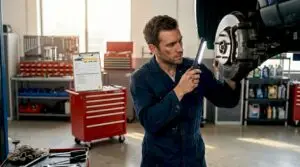
Dealership service departments represent the premium tier of car repair shop types in DFW. They employ factory-trained technicians, use original equipment manufacturer (OEM) parts, and carry specialized diagnostic software tied to specific brands. If your vehicle is under warranty, a dealership service department is often your only covered option.
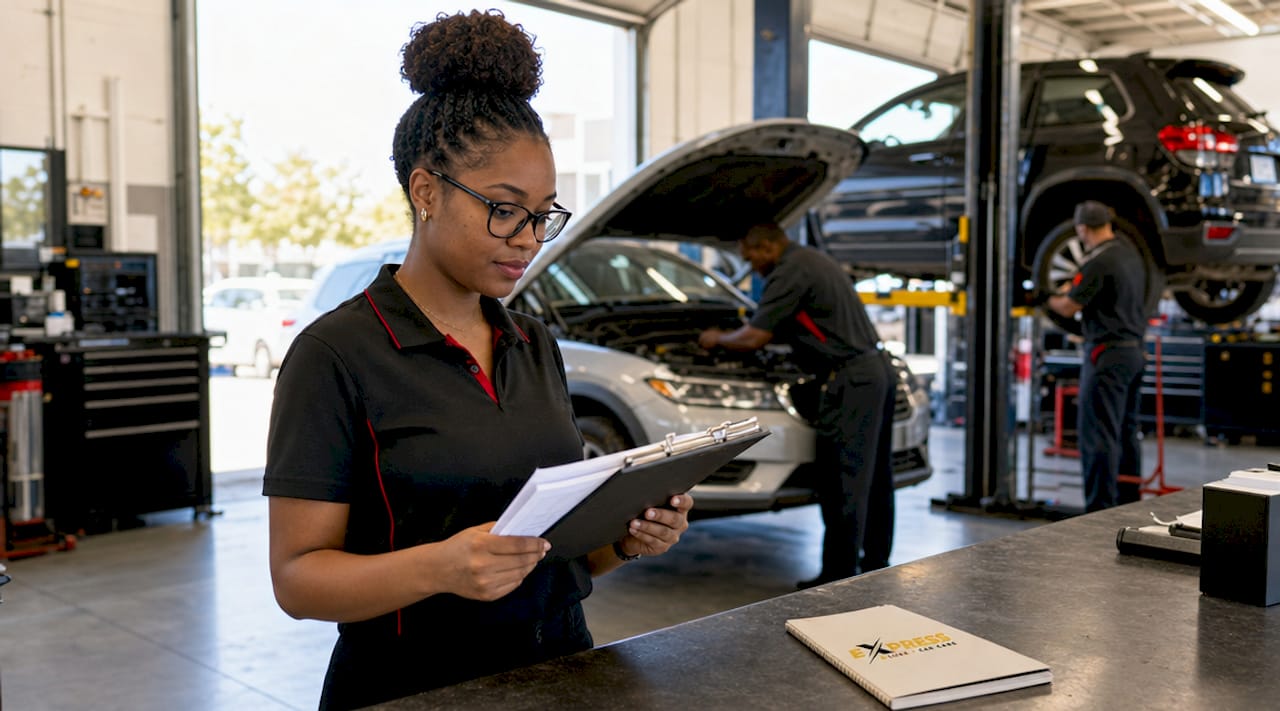
The price difference is real and significant. Dealer service departments typically bill $145 to $270 per hour for labor. That premium reflects OEM training, proprietary diagnostic tools, and warranty coverage. For complex electrical faults or software-related issues on newer vehicles, that investment often pays off.
DFW is home to major dealership groups servicing brands like Toyota, Ford, BMW, Mercedes-Benz, and Chevrolet. Each of these brands maintains its own training standards and parts supply chains. When you bring a 2024 BMW to a BMW-certified service center, the technician has brand-specific training that a general mechanic simply does not have access to.
- Services covered: Warranty repairs, recall work, software updates, complex diagnostics, OEM part replacement
- Labor rates: $145 to $270/hr
- Best for: Vehicles under warranty, newer models with complex electronics, brand-specific recalls
- Trust signals: OEM certification, manufacturer training records, factory diagnostic equipment
Pro Tip: Always ask whether the shop uses OEM or aftermarket parts, and request documentation. Some dealership-affiliated shops use aftermarket parts on out-of-warranty vehicles without disclosing it upfront.
3. Specialty repair shops: foreign auto, collision, and diesel
Specialty shops focus on a narrow slice of the repair market and do it exceptionally well. This category covers three distinct types: foreign auto specialists, collision and body repair centers, and truck or diesel shops. Choosing a specialty shop for the right job is one of the most underrated decisions a car owner can make.
Foreign auto specialists in DFW concentrate on European and Japanese brands. Dallas suburbs like Plano, Frisco, and Irving have a high concentration of Audi, Lexus, Volvo, and Honda owners, which has driven demand for shops that stock the right parts and tools for those vehicles. A shop that works on Audis every day will diagnose a DSG transmission issue faster and more accurately than a generalist.
Collision repair centers are a separate category entirely. In Texas, the state does not license body shops, which means certifications like I-CAR Gold Class and OEM-specific training are the primary trust signals for consumers. There are 34 I-CAR Gold Class certified shops across the 12-county DFW metro, including premium independents and national chains like Caliber Collision and Crash Champions. Nationally branded chains typically run $55 to $85 per hour in labor costs, while OEM-certified or I-CAR Gold Class independents charge $75 to $100 per hour. That price difference reflects the investment those shops have made in technician education and equipment.
| Shop type | Labor rate range | Certification to look for | Best vehicle fit |
|---|---|---|---|
| Foreign auto specialist | $90 to $150/hr | ASE, brand-specific training | European and Japanese imports |
| Collision center (chain) | $55 to $85/hr | I-CAR Gold Class | Most makes and models |
| Collision center (premium independent) | $75 to $100/hr | I-CAR Gold Class, OEM-certified | Luxury and newer vehicles |
| Truck and diesel specialist | $85 to $130/hr | ASE, diesel certification | Trucks, commercial vehicles |
Pro Tip: For any collision repair, ask specifically whether the shop holds I-CAR Gold Class certification. In a state with no body shop licensing, that credential is the clearest signal that technicians receive ongoing training.
4. Mobile mechanics and emerging repair options in DFW
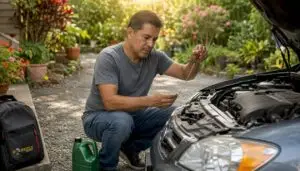
Mobile mechanics are a growing segment of DFW auto service, and they fill a genuine gap for car owners who cannot easily get to a shop. A mobile mechanic comes to your home, office, or parking lot and handles repairs on the spot. Mobile services in DFW offer same-day availability, eliminate towing costs, and often price competitively against brick-and-mortar shops for straightforward jobs.
The use cases are specific. Mobile mechanics excel at battery replacements, brake pad swaps, oil changes, alternator replacements, and minor diagnostics. What they cannot do is handle jobs that require a lift, a transmission flush machine, or an alignment rack. If your car needs a head gasket replacement or a full suspension overhaul, a mobile mechanic is not the right call.
DFW has also seen a rise in hail repair specialists, which makes sense given North Texas weather patterns. Paintless dent repair (PDR) shops have multiplied across the metro, particularly after major hail events. These shops are a legitimate specialty category worth knowing about if you own a vehicle in the area.
- Best uses: Battery swaps, brake pads, oil changes, minor diagnostics, pre-purchase inspections
- Limitations: No lift-dependent repairs, limited diagnostic equipment, no alignment or tire mounting
- Emerging options: Hail and PDR specialists, on-demand fleet services, subscription maintenance providers
- Pricing: Often 10 to 20 percent below shop rates for comparable jobs
Pro Tip: Before booking any mobile mechanic, check their credentials on the mechanic shop certification page and verify reviews on Google and RepairPal. Credentials matter just as much outside a shop as inside one.
5. Comparing DFW shop types: costs, certifications, and best fit
Picking the right shop comes down to three questions: What does your vehicle need? What is your budget? And what trust signals does the shop carry? Here is a side-by-side look at the major car repair shop types in DFW.
| Shop type | Typical labor rate | Key certification | Ideal for |
|---|---|---|---|
| Independent general shop | $80 to $140/hr | ASE, RepairPal | Routine maintenance, multi-brand households |
| Dealership service department | $145 to $270/hr | OEM-certified | Warranty work, complex electronics |
| Specialty foreign auto | $90 to $150/hr | ASE, brand-specific | European and Japanese imports |
| Collision center | $55 to $100/hr | I-CAR Gold Class | Body and paint repairs |
| Mobile mechanic | Variable, often lower | ASE (verify) | Convenience-based minor repairs |
The certification piece matters more in Texas than in most states. Because Texas does not regulate body shops at the state level, I-CAR Gold Class certification functions as a consumer protection tool. Shops that hold it have invested in ongoing technician training, which correlates directly with repair quality and customer satisfaction.
Cost differences between shop types are real, but paying more does not always mean getting more. A RepairPal-certified independent shop charging $100 per hour will often outperform a dealership service department on a routine brake job. The key is matching the shop type to the repair type. Warranty work belongs at a dealership. A cracked bumper belongs at an I-CAR Gold Class collision center. An oil change belongs at a trusted local shop with transparent repair estimates.
Repair Specialists, Foreign Specialists, and Vehicle Dealers are projected to generate 95 percent of Do-It-For-Me market growth through 2028. That trend signals where consumer trust is heading: toward shops with defined expertise rather than generalists trying to do everything.
Key takeaways
Matching the type of DFW auto repair shop to your specific vehicle, repair need, and budget is the single most effective way to get quality work at a fair price.
| Point | Details |
|---|---|
| Shop type determines price range | Labor rates span $55/hr at chain collision shops to $270/hr at dealership service departments. |
| Certifications replace licensing in Texas | I-CAR Gold Class and ASE credentials are the primary trust signals since Texas does not license body shops. |
| Regional DFW trends shape shop availability | Fort Worth skews toward truck and diesel specialists; Dallas has more foreign auto and luxury diagnostic shops. |
| Mobile mechanics fill a convenience gap | They work well for minor repairs but cannot handle lift-dependent or complex diagnostic jobs. |
| Specialization drives market growth | Foreign specialists, repair specialists, and dealers will account for 95% of DIFM market growth through 2028. |
What I’ve learned about choosing shops in DFW
After spending years looking at how DFW drivers interact with the repair market, one pattern stands out clearly. Most car owners pick a shop based on proximity and price, and then wonder why the experience is inconsistent. The shops that consistently deliver are the ones that have made a deliberate investment in credentials, whether that is ASE certification, RepairPal listing, or I-CAR Gold Class status.
The regional split inside DFW is genuinely underappreciated. If you drive a diesel truck and you take it to a Dallas luxury import specialist, you are not getting the best outcome even if the shop is technically competent. The right shop has the right tools, the right parts inventory, and technicians who work on your type of vehicle every single day. That specificity matters.
My honest advice: build a relationship with one trusted general shop for routine maintenance, and know in advance which specialty shop you would use for collision work or brand-specific diagnostics. Do not wait until you are standing in a parking lot with a damaged car to start researching. The local auto repair shop you trust before you need it is always the one that serves you best. And when you are evaluating any shop, ask directly about certifications. A shop that cannot answer that question confidently is telling you something important.
— Hassan
Why Expresslubearlington is worth a visit
Expresslubearlington is a RepairPal Certified Shop and a CarFax Top-Rated Service Center serving drivers across the DFW area. The ASE-certified technicians handle everything from routine oil changes to complex mechanical repairs, which means you get consistent, credentialed service without bouncing between multiple shops.
If you are working through your car maintenance schedule or need a trusted shop for your next repair, Expresslubearlington has the certifications and track record to back it up. Check out the current $45 off mechanical repairs offer and see why DFW drivers keep coming back. Stop by and experience the difference that certified, transparent service actually makes.
FAQ
What are the main types of auto repair shops in DFW?
The main types are independent general shops, dealership service departments, specialty shops (foreign auto, collision, diesel/truck), and mobile mechanics. Each serves a different vehicle need and price point.
How do I know if a DFW shop is trustworthy?
Look for ASE certification, RepairPal listing, or I-CAR Gold Class status. Because Texas does not license body shops, these credentials are the clearest indicators of quality and ongoing technician training.
Are dealership service departments worth the higher cost?
Dealership service departments bill $145 to $270 per hour, which is justified for warranty work, recalls, and complex electronics. For routine maintenance, a certified independent shop typically delivers equal quality at a lower rate.
What does a DFW mechanic shop typically offer?
Most full-service mechanic shops in DFW cover oil changes, brake repair, engine diagnostics, A/C service, transmission maintenance, and suspension work. Specialty shops narrow that list to focus on specific vehicle types or repair categories.
When should I use a mobile mechanic instead of a shop?
Mobile mechanics are a strong choice for battery replacements, brake pad swaps, oil changes, and minor diagnostics. For anything requiring a lift, alignment equipment, or advanced diagnostics, a full-service repair shop is the right call.