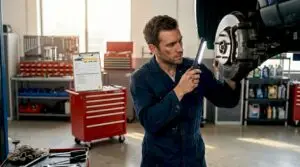

Reducing car repair costs is a proactive discipline, not a matter of luck. Car owners who follow their manufacturer’s maintenance schedule, choose independent shops wisely, and handle a handful of basic tasks themselves consistently spend less on repairs without sacrificing safety or reliability. Organizations like Consumer Reports, AAA, and iFixit have all confirmed that the biggest driver of high repair bills is deferred maintenance, not bad luck. The strategies in this guide are grounded in 2026 research and real-world shop experience, so you can cut auto repair bills with confidence.
How does regular maintenance prevent high repair bills?
The single most powerful way to lower vehicle maintenance expenses is to stay ahead of problems before they become expensive. A $15 oil change skipped for 3,000 miles can turn into a $4,000 engine repair. That math is brutal, and it happens every day.
Your owner’s manual is the most underused tool in your glove box. Consumer Reports confirms that following fluid type specifications exactly from your manual helps you avoid paying extra for unnecessary synthetic fluids. If your manual does not call for full synthetic oil, there is no mechanical reason to pay for it, regardless of what a service advisor recommends. That one habit alone can save you $30 to $60 per oil change visit.
Staying on schedule with these core maintenance tasks keeps your repair bills predictable:
- Oil and filter changes at manufacturer-specified intervals
- Tire rotations every 5,000 to 7,500 miles to prevent uneven wear
- Brake inspections at least once a year before wear becomes a safety issue
- Cabin and engine air filter checks every 15,000 to 30,000 miles
- Coolant, transmission, and brake fluid checks per your manual’s schedule
Keeping a repair history folder with invoices, diagnostic codes, and mileage notes speeds up future diagnostics and prevents you from paying for work that was already done. A technician who can see your full service history will spend less time guessing and more time fixing. That directly reduces your labor bill.
Pro Tip: Find one trusted shop and stick with them. A shop that knows your vehicle’s history is far less likely to recommend redundant work, and they have a relationship to protect.
What should you know about choosing the right repair shop?
Shop selection is where many car owners quietly overspend. The assumption that a dealership always delivers better quality is not supported by the data. Independent shops score well on honesty, quality, and communication, often at a lower price than franchise dealerships. That means you have real options, and using them is one of the most effective ways to save on car repairs.
Before you hand over your keys, ask the shop these questions:
- Do you have ASE-certified technicians on staff?
- Have you worked on this specific make, model, and problem before?
- Do you offer a warranty on parts and labor?
- Can I see an itemized estimate before any work begins?
iFixit notes that asking targeted questions about shop experience and parts sourcing reduces the risk of overpaying and helps you identify shops that do quality work. A shop that hesitates to answer these questions directly is sending you a signal worth heeding.
Once you have a diagnosis, follow this process to get the best price:
- Get the diagnostic report in writing, including fault codes and the technician’s findings.
- Contact at least three different shops and give each one the identical diagnostic information.
- Ask each shop to break out parts cost, labor hours, and any shop fees separately.
- Compare labor rates and verify quoted hours against industry standards using resources like RepairPal.
- Ask about OEM parts versus aftermarket alternatives and what warranty each carries.
Getting at least three quotes with identical diagnostic information can meaningfully reduce your total repair spend. HiRide’s research shows that many customers overspend simply by accepting the first number they hear. Comparing itemized estimates is the behavioral advantage that separates informed car owners from everyone else.
Understanding parts quality matters too. OEM parts come from the original manufacturer and carry the highest price. Quality aftermarket parts from brands like Bosch, Denso, or Monroe often perform comparably at 20 to 40 percent less. Rebuilt or remanufactured parts carry more risk but can be appropriate for older vehicles where longevity is less critical.
Which car repairs can you safely do yourself to save money?
DIY maintenance is one of the fastest ways to minimize automotive repair fees, and you do not need a garage full of tools to get started. DIY oil changes, air filter replacements, and cabin filter replacements can save $40 to $140 per service compared to shop prices. These tasks take under 15 minutes each, and a basic toolkit under $100 covers most beginner jobs.
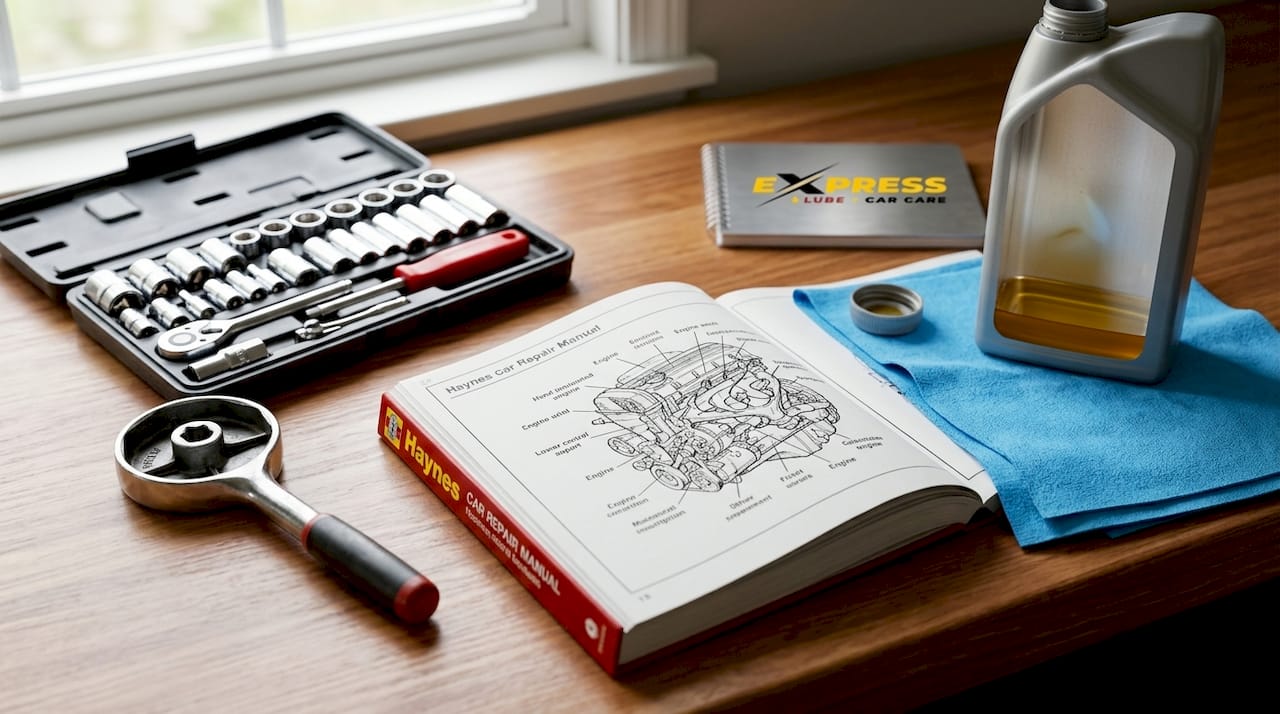
Here is a practical comparison of common DIY tasks versus shop pricing:
| Task | DIY Cost | Shop Cost | Estimated Savings |
|---|---|---|---|
| Engine air filter replacement | $15 to $25 | $50 to $80 | $25 to $55 |
| Cabin air filter replacement | $15 to $30 | $50 to $90 | $35 to $60 |
| Wiper blade replacement | $10 to $20 | $30 to $50 | $20 to $30 |
| Battery terminal cleaning | $5 (supplies) | $30 to $50 | $25 to $45 |
| Oil change (conventional) | $25 to $40 | $60 to $100 | $35 to $60 |
The right approach for beginners is to start with low-risk tasks like air filter and oil filter replacement, then build skills gradually. Jumping straight to brake jobs or suspension work without experience is where DIY enthusiasm becomes expensive. Our car care tips for new drivers walks through these beginner tasks step by step if you want a structured starting point.
One mistake that catches new DIYers off guard involves electrical connectors. Brittle plastic connectors can crack if you pull them apart incorrectly. The right technique is to push the connector in slightly to relieve latch tension before releasing the clip. Getting this wrong can turn a $20 sensor swap into a $200 wiring repair.
Professional mechanics also use a habit worth borrowing: lay out removed bolts and fasteners on labeled cardboard in the order they came off. This prevents the maddening experience of having leftover hardware at the end of a job and no idea where it goes.
Pro Tip: Always use a repair manual specific to your vehicle’s year, make, and model. A Haynes or Chilton manual for your car costs about $25 and prevents the kind of guesswork that leads to costly mistakes.
How to negotiate repair prices and avoid being overcharged
Negotiating repair prices feels uncomfortable for most people, but it is a completely normal part of the process. Shops expect it. The key is to come in informed, not aggressive.
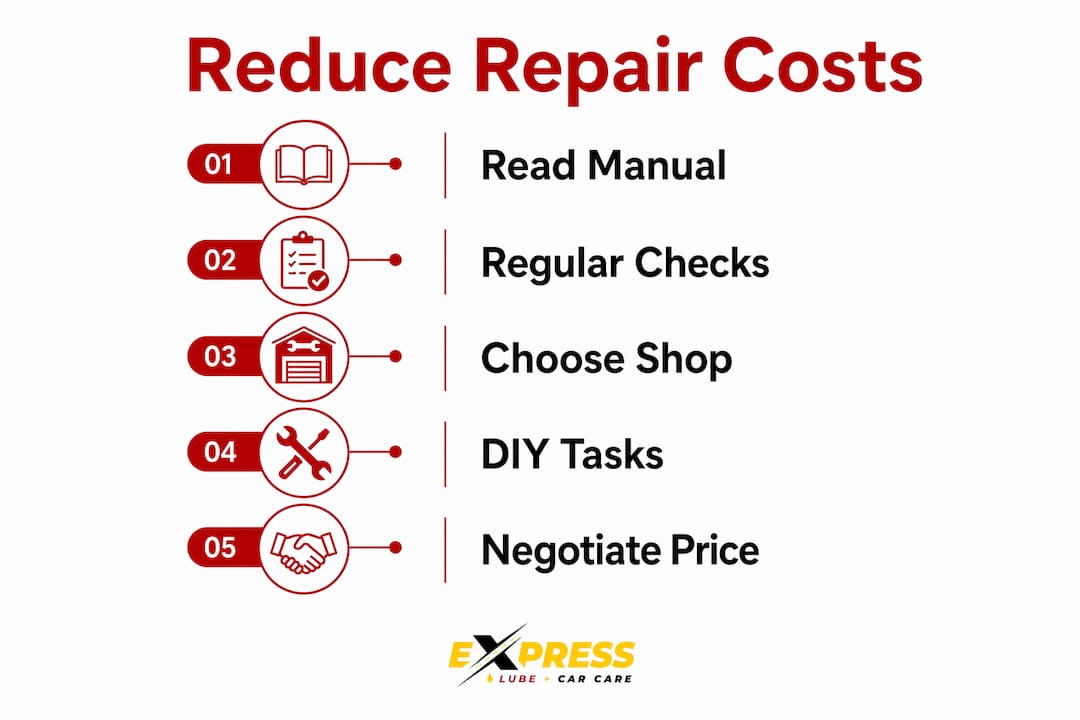
Start by requesting a fully itemized estimate before approving any work. This means separate line items for each part, the labor hours assigned to each task, and any diagnostic or shop fees. Vague estimates like “engine work, $800” give you nothing to work with. Itemized estimates let you verify quoted labor hours against published standards, which is your strongest negotiating tool.
Watch for these red flags that signal potential overcharging:
- A shop that refuses to provide a written estimate before starting work
- Labor hours that seem unusually high for a straightforward repair
- Pressure to approve additional repairs during the same visit without time to think
- Refusal to show you the old parts after replacement
- Diagnostic fees that are not credited toward the repair cost
Timing matters more than most people realize. Shops are busiest on Mondays and Fridays. Scheduling non-urgent repairs mid-week often gives you more leverage because technicians have more availability and shops are more willing to negotiate to fill their bays.
Always ask to see the old parts that were replaced. A legitimate shop will have no problem showing you a worn brake pad, a cracked belt, or a leaking gasket. If a shop cannot or will not produce the old parts, that is a serious warning sign.
Check out our guide on how to negotiate car repair prices in Texas for more specific tactics that work in the DFW market.
Key takeaways
Reducing car repair costs comes down to three disciplines: following your owner’s manual, choosing shops with verified credentials and multiple quotes, and handling simple maintenance tasks yourself.
| Point | Details |
|---|---|
| Follow your owner’s manual | Use only the fluids and intervals your manual specifies to avoid unnecessary upsells. |
| Get three quotes minimum | Identical diagnostic information shared across three shops reveals the true market price for any repair. |
| Start DIY with low-risk tasks | Air filters, wiper blades, and battery cleaning save $25 to $60 each with minimal tools or skill required. |
| Keep a repair history folder | Documented service records prevent redundant diagnostics and reduce labor costs at every future visit. |
| Negotiate with itemized estimates | Line-item breakdowns let you verify labor hours and parts pricing before approving any work. |
What I’ve learned from years of watching repair bills shrink (and grow)
I have seen both sides of this. Car owners who treat their vehicle like an ATM that only takes withdrawals, and car owners who spend a Saturday afternoon changing their own air filter and walk away feeling genuinely capable. The second group consistently spends less over time, and not just because of the $40 they saved on a filter.
The real value of doing even one basic maintenance task yourself is that you start to understand what your car actually needs versus what someone is trying to sell you. That knowledge changes how you walk into a shop. You ask better questions. You recognize when a recommendation does not match what your owner’s manual says. You stop nodding along and start engaging.
That said, I want to be direct about where DIY enthusiasm should stop. Brake hydraulics, timing systems, and anything involving the fuel system or airbags belong in the hands of a certified technician. The savings from a botched repair are negative. A trusted shop relationship is not a fallback. It is a financial asset.
The car owners I have seen manage their repair costs best are not the ones who do everything themselves. They are the ones who know exactly which tasks they can handle, maintain a complete service record, and have one shop they genuinely trust. That combination is more powerful than any single tip in this article.
— Hassan
Keep your car running without draining your wallet
At Expresslubearlington, we built our shop around the idea that honest, affordable service and certified quality are not mutually exclusive. Our ASE and RepairPal certified technicians handle everything from routine oil changes to complex mechanical repairs, with transparent pricing and no pressure tactics. We are also a CarFax Top-Rated Service Center, which means our track record speaks for itself.
Right now, you can take advantage of $45 off mechanical repairs to make your next service visit even more affordable. For drivers who want to stay on top of routine maintenance, our oil change tips page covers everything you need to keep your engine healthy between visits. Stop by our Arlington location and let us show you what trustworthy car care actually looks like.
FAQ
How often should I follow my car’s maintenance schedule?
Follow the intervals listed in your owner’s manual exactly. Consumer Reports confirms that sticking to manufacturer-specified intervals and fluid types is the most reliable way to avoid unnecessary repair costs.
Are independent repair shops as reliable as dealerships?
Independent shops score comparably to dealerships on honesty, quality, and communication, according to Consumer Reports survey data. Choosing a shop with ASE-certified technicians and a warranty on parts and labor closes most of the quality gap.
What DIY car maintenance tasks save the most money?
Engine air filter replacement, cabin air filter replacement, wiper blade swaps, and oil changes save between $40 and $140 per service compared to shop prices, with a basic toolkit costing under $100 to get started.
How do I avoid being overcharged at a repair shop?
Always request a fully itemized written estimate, get at least three quotes using identical diagnostic information, and ask to see replaced parts after the job. These three steps are your strongest defense against inflated repair bills.
Does keeping repair records actually lower my costs?
A documented repair history with invoices, diagnostic codes, and mileage speeds up diagnostics and prevents technicians from recommending work that has already been done, which directly reduces both labor time and parts costs.