
Pedal pulsation, a shimmying steering wheel, and vibration under your seat are the classic warped rotors symptoms, and they usually point to disc thickness variation or uneven pad deposits rather than a truly bent rotor. Either way, the fix starts with an inspection. If you feel any of these, ease off hard braking and get your brakes checked before your next long drive.
TL;DR:
- Most symptoms are caused by disc thickness variation rather than a physically bent rotor, which can often be fixed through resurfacing if within thickness limits.
- Front rotors typically cause steering wheel shimmy, while rear rotors often produce vibration under the seat, with pulsation worsening at higher speeds and stronger braking.
- CAuses include uneven pad transfer, hotspots from repeated heating and cooling, improper installation, low-quality rotors, or sticking calipers, all of which require inspection to determine the urgency.
- Proper diagnosis by measuring rotor thickness and runout identifies whether resurfacing, rebedding, or replacement is needed, with replacing pads often necessary to prevent repeat issues.
- Maintaining best habits, such as proper bedding, avoiding holding brakes after hard stops, and ensuring correct lug torque, helps prevent rotor warping from recurring.
Table of Contents
- What Do Warped Rotors Symptoms Feel and Sound Like?
- What “Warped” Actually Means: DTV vs. True Mechanical Warp
- Common Causes That Create Warped-Rotor Symptoms
- How Do You Diagnose Which Rotor Is Warped?
- Fixing Warped Rotors: Resurface, Replace, or Rebed?
- Prevention Habits That Keep Warped-Rotor Symptoms From Coming Back
- What Our ASE-Certified Technicians Check and Why
- Author’s Note From Express Lube & Car Care
- Book a Brake Inspection at Express Lube & Car Care
- Sources
- FAQ
What Do Warped Rotors Symptoms Feel and Sound Like?
You don’t need a diagnostic scanner to catch this one. Your car is already telling you, loud and clear, through the pedal, the wheel, and sometimes your own seat cushion.
Pedal pulsation is the headline symptom. You’ll feel a rhythmic push back through the brake pedal, almost like something is knocking against it from the other side. It typically gets worse the faster you’re going and the harder you brake, and it’s different from ABS kicking in. ABS pulsation happens during genuine wheel lockup on slippery pavement. Rotor-related pulsation shows up on dry pavement during totally normal stops.
Steering-wheel shimmy points to the front rotors. Front rotor problems typically cause the steering wheel to shake, while rear rotor issues are more likely to show up as vibration under the seat instead.
Beyond the shaking, listen for these patterns:
- A rhythmic squeal or growl that speeds up and slows down with your wheel speed, not a constant tone
- A metallic thump that lands at the same point in every wheel rotation, worse at certain speeds
- Symptoms that fade after a few minutes of light driving but return hard under heavy braking (a hotspot signature)
- Symptoms that are constant regardless of speed or heat (more likely a mounting or runout issue)
What “Warped” Actually Means: DTV vs. True Mechanical Warp
Here’s the part most drivers get backwards. A rotor rarely bends like a warped record in normal street driving. What’s actually happening most of the time is Disc Thickness Variation, or DTV: tiny differences in rotor thickness around the disc’s face.
How tiny? Variations as small as a few thousandths of an inch can be felt as pedal pulsation. That’s thinner than a sheet of paper, yet your pedal picks it up instantly because the caliper pistons are pressing against that surface dozens of times per second at highway speed.
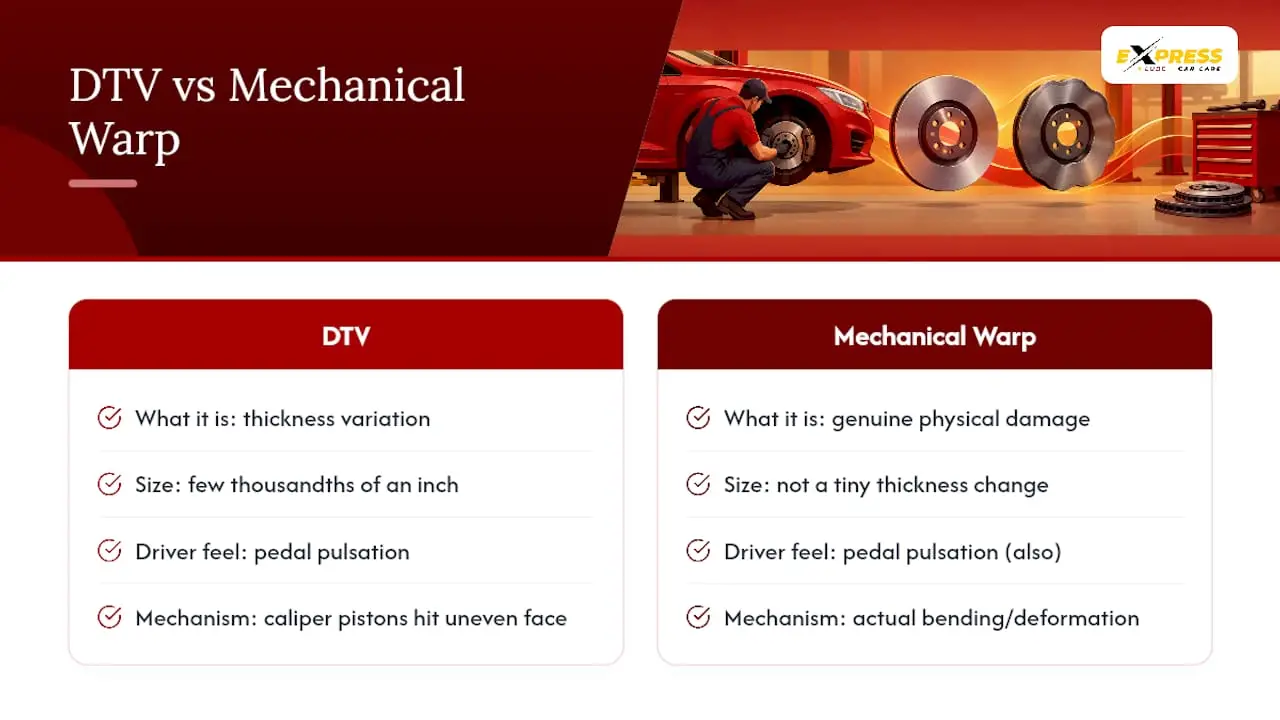
This distinction isn’t just trivia. If your “warped” rotor is actually uneven pad transfer or a heat-induced high spot, a machine shop or your technician may be able to correct it without replacing the rotor at all. If it’s genuine physical damage, replacement is the only safe path.
Common Causes That Create Warped-Rotor Symptoms
Something happened before these symptoms showed up, and identifying it helps you and your technician figure out how urgent the fix is.
- Uneven pad transfer: Braking hard and holding the pedal while stopped, especially right after a long downhill run, deposits pad material unevenly onto a hot rotor surface.
- Thermal hotspots: Repeated aggressive braking followed by sudden cooling (think driving through a puddle right after a mountain descent) can create localized hard spots on the rotor.
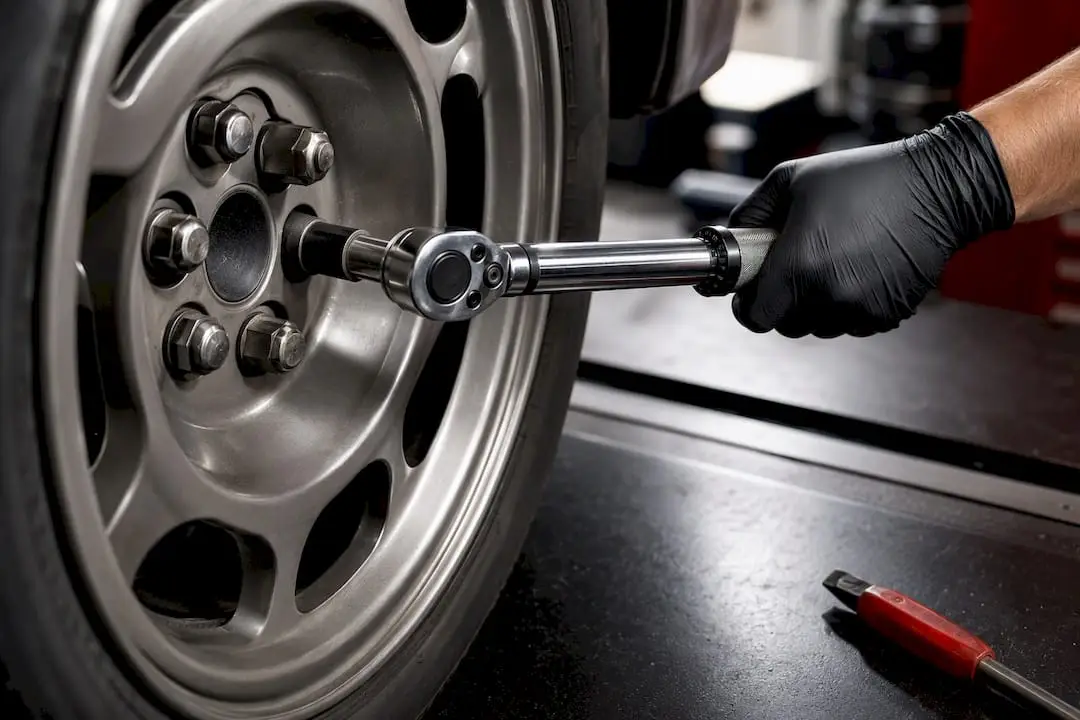
- Installation issues: Debris on the hub face or uneven lug nut torque can distort how the rotor sits, creating runout that mimics warping.
- Thin or low-quality rotors: Rotors machined too many times or built with inconsistent metal density wear unevenly faster.
- Sticking calipers: A caliper that doesn’t fully release keeps one pad dragging, generating localized heat and deposits.
Pro Tip: If you just drove down a long grade or sat in stop-and-go traffic in extreme heat, resist the urge to hold your foot on the brake at the next red light. Letting the vehicle roll slightly or using light, intermittent pressure gives the rotor a chance to cool evenly instead of imprinting a hot spot exactly where the pad sits.
Improper lug nut torque deserves its own callout here. Uneven torque or overuse of impact guns during tire work can distort the hub flange, transferring that distortion straight to the rotor. If your symptoms started right after a tire rotation or wheel service, this is worth mentioning to your technician.
How Do You Diagnose Which Rotor Is Warped?
Play detective before you play mechanic. A little triage tells you whether this is urgent or just annoying, and it gives your shop a head start.
- Isolate the trigger. Does the vibration only happen when you brake, or is it there all the time (even coasting)? Braking-only symptoms point to the rotors; constant vibration suggests tires, wheel bearings, or a driveline issue instead.
- Locate the sensation. A shaking steering wheel usually means front rotors. Vibration in the seat or floor usually means rear rotors.
- Road-test carefully. On a straight, empty stretch, bring the car up to about 45 to 55 mph and apply steady, moderate brake pressure. If the pulsation appears and intensifies, note the speed and pedal feel for your technician. Never do this in traffic or on wet roads.
- Watch for visual clues at your next inspection: blue discoloration, deep grooves, or heavy scoring often signal overheating and damage that leans toward replacement rather than resurfacing.
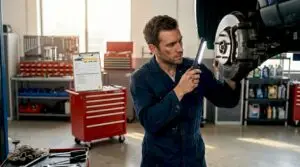
- Let the shop measure it properly. Technicians confirm the problem with a micrometer to check thickness at multiple points around the rotor and a dial indicator to measure lateral runout. Runout beyond a few thousandths of an inch typically causes noticeable symptoms, and both readings get compared against the manufacturer’s minimum thickness spec.
If pulsation is getting worse, if your stopping distance feels longer, or if you hear grinding along with the vibration, stop scheduling around it and get it looked at now. Driving on compromised rotors can increase stopping distances and eventually damage wheel bearings, suspension parts, or calipers.
Fixing Warped Rotors: Resurface, Replace, or Rebed?
The right fix depends entirely on what the micrometer and dial indicator actually find, not on guesswork.
- Cleaning and rebedding works when the problem is pad transfer, not physical wear. A series of controlled, moderate-to-firm stops from speed, without ever coming to a complete stop, lets the transfer layer redistribute evenly across the rotor face.
- Turning or machining the rotor is an option only when its thickness stays safely above the manufacturer’s minimum spec after the cut. It removes the high spots but takes material off permanently, so it’s a one-time move on most rotors.
- Replacement becomes necessary once the rotor sits near or below minimum thickness, or shows cracking, deep grooves, or the blue discoloration that signals metallurgical heat damage.
- Pair it with new pads. Reusing old pads on a freshly machined or new rotor often reintroduces the same uneven transfer that caused the problem in the first place, so most shops recommend replacing pads alongside rotors.
- Check the calipers and lug torque too. A sticking caliper or improperly torqued wheel will undo a good rotor repair within a few thousand miles.
Prevention Habits That Keep Warped-Rotor Symptoms From Coming Back
A little discipline after brake work and during everyday driving goes a long way toward keeping your pedal smooth for the long haul.
-
Bed in new pads and rotors properly. Use a series of moderate stops from speed without ever fully stopping, giving the surfaces a chance to transfer evenly instead of imprinting hot spots.
-
Never hold the brake pedal down at a stop right after hard braking. Let the vehicle roll slightly or coast to a natural stop so heat dissipates evenly.
-
Choose pads and rotors matched to how you actually drive. A daily commuter and a vehicle that regularly tows or hauls need different friction materials.
-
Keep the hub face clean and lug nuts torqued to spec. Debris or uneven torque during a tire change can distort the rotor’s mounting surface.
-
Get your brakes inspected on a regular schedule, not just when something feels wrong.
Pro Tip: Brake dust and grime buildup on the rotor surface can mimic and worsen uneven pad contact over time. Products designed for safe brake dust removal can help keep that surface cleaner between full inspections, which supports more even pad contact.
What Our ASE-Certified Technicians Check and Why
When you bring in a vehicle with pulsation or shimmy, our ASE-certified technicians measure rotor thickness with a micrometer and check lateral runout with a dial indicator, then record every result in a digital vehicle inspection with photos so you can see exactly what we found. We’ll recommend replacing pads alongside rotors when the wear pattern calls for it, and we explain machining limits against the manufacturer’s minimum thickness spec so you know why resurfacing is or isn’t on the table. Our recognition as a RepairPal Certified Shop and a CARFAX Top-Rated Service Center reflects the same documentation standard we apply to every brake inspection.
Author’s Note From Express Lube & Car Care
We see pedal pulsation and steering shimmy come through our bays constantly, and it’s rarely something to shrug off. Every brake appointment includes a documented inspection with photos and videos, so you see exactly what’s happening before we recommend anything. If your pedal is pulsing, don’t wait for it to get worse. Safety comes first.
— Express Lube & Car Care
Book a Brake Inspection at Express Lube & Car Care
Express Lube & Car Care gives Arlington drivers something a quick online symptom checklist can’t: an ASE-certified technician actually putting a micrometer and dial indicator on your rotors and showing you the numbers. Every brake visit includes a digital vehicle inspection with photos so you see exactly what’s causing that pulsation before we recommend resurfacing, replacement, or a simple rebedding.

RepairPal Certified Shop status and recognition as a CARFAX Top-Rated Service Center back up the documentation and workmanship behind every recommendation made by the shop. If your pedal is pulsing or your steering wheel shakes under braking, don’t keep driving on it and hoping it settles down. Head to our brake repair and pad replacement page or browse our full service menu to schedule a rotor inspection today.
Sources
- Signs of a Warped Brake Rotor
- Can I drive with warped rotors? — RepairPal
- Brake pad break-in procedure — PowerStop
- Nuts & Bolts: Warped rotor myth — MotorTrend
- Warped rotors symptoms causes fixes — R1 Concepts
FAQ
What Does Driving With Warped Rotors Feel Like?
You’ll typically feel a rhythmic pulsation through the brake pedal that gets stronger with speed and heat, often paired with a shaking steering wheel if it’s the front rotors or vibration under the seat if it’s the rear. The sensation is tied to braking specifically, not present when you’re just coasting.
What Happens if You Keep Driving With Warped Rotors?
Continuing to drive on compromised rotors can increase stopping distances and lead to unpredictable braking, and over time it can damage calipers, wheel bearings, and suspension parts. It’s safer to have the vehicle inspected as soon as pulsation appears rather than waiting for it to worsen.
How Long Should Rotors Last Before Warping?
There’s no fixed mileage guarantee, since it depends heavily on driving habits, pad quality, and how the brakes were bedded in after installation. Rotors that are properly bedded and never held hot at a stop generally go far longer without developing thickness variation than ones subjected to repeated hard stops and abrupt cooling.
How Do I Fix Warped Rotors?
The fix depends on what a shop’s measurements find: cleaning and rebedding often resolves pad-transfer issues, machining can correct mild thickness variation if the rotor stays above the minimum spec, and replacement is necessary once the rotor is too thin, cracked, or heat-damaged. Most shops, including Express Lube & Car Care, also recommend replacing pads at the same time to prevent the same uneven transfer from happening again.