

TL;DR:
- Automotive labor rates include technician wages, overhead costs, and profit margins, not just mechanic pay.
- Prices vary widely based on location and shop type, with dealerships charging the most, especially in high-cost cities.
Automotive labor rate is defined as the hourly fee a repair shop charges customers for the work performed on their vehicle, covering technician wages, business overhead, and a profit margin. Understanding what is automotive labor rate matters because labor often accounts for the largest portion of any repair invoice. In 2026, national averages range between $120 and $159 per hour for independent shops, with dealerships frequently pushing past $180. Knowing how that number is built gives you real power when reading an estimate or deciding where to take your car.
What is automotive labor rate, and what goes into it?
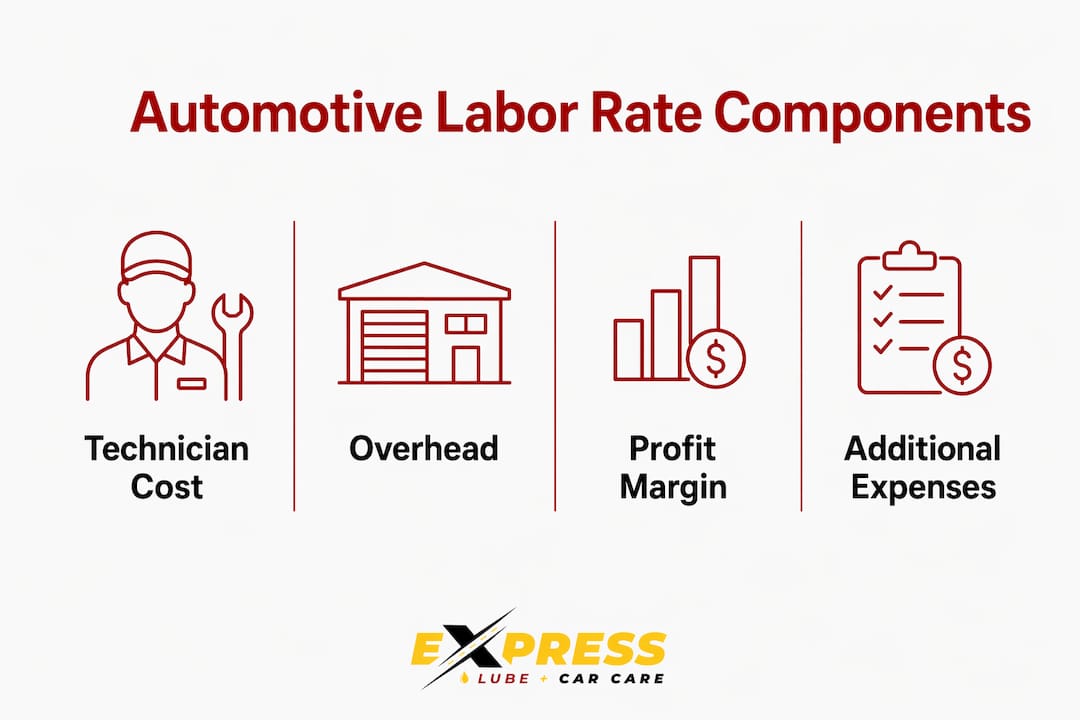
The automotive labor rate is not simply what a mechanic earns per hour. It is a bundled price that covers every cost a shop carries to keep its doors open and its technicians working. Think of it like a restaurant menu price. You are not just paying for the ingredients. You are paying for the kitchen, the staff, the lease, and the lights.
Technician wages and loaded cost
A shop’s first calculation is the technician’s loaded cost. That means base pay plus payroll taxes, health benefits, paid time off, and ongoing training fees. Technicians typically earn between $25 and $40 per hour in wages. The loaded cost to the shop runs noticeably higher once benefits and taxes are added.
Overhead costs
Overhead is the second major layer. Shops carry fixed expenses every month regardless of how many cars roll through the bay.
- Rent or mortgage on the shop facility
- Insurance covering liability, property, and workers’ compensation
- Utilities including electricity, water, and internet
- Diagnostic equipment such as scan tools, lifts, and specialty tools
- Shop management software used for scheduling, invoicing, and parts ordering
- Ongoing technician training and ASE certification renewals
These costs are real and non-negotiable. A shop in a high-rent commercial district carries far more overhead than one in a rural area, and that difference shows up directly in the posted rate.
Profit margin
The final layer is profit. Automotive repair shops target a profit margin of roughly 40%–70% on labor. That range sounds wide, but it reflects the difference between a bare-bones independent shop and a full-service facility with a waiting room, loaner vehicles, and a warranty program. Profit is not a dirty word here. It funds equipment upgrades, staff retention, and the warranty that protects you if something goes wrong.
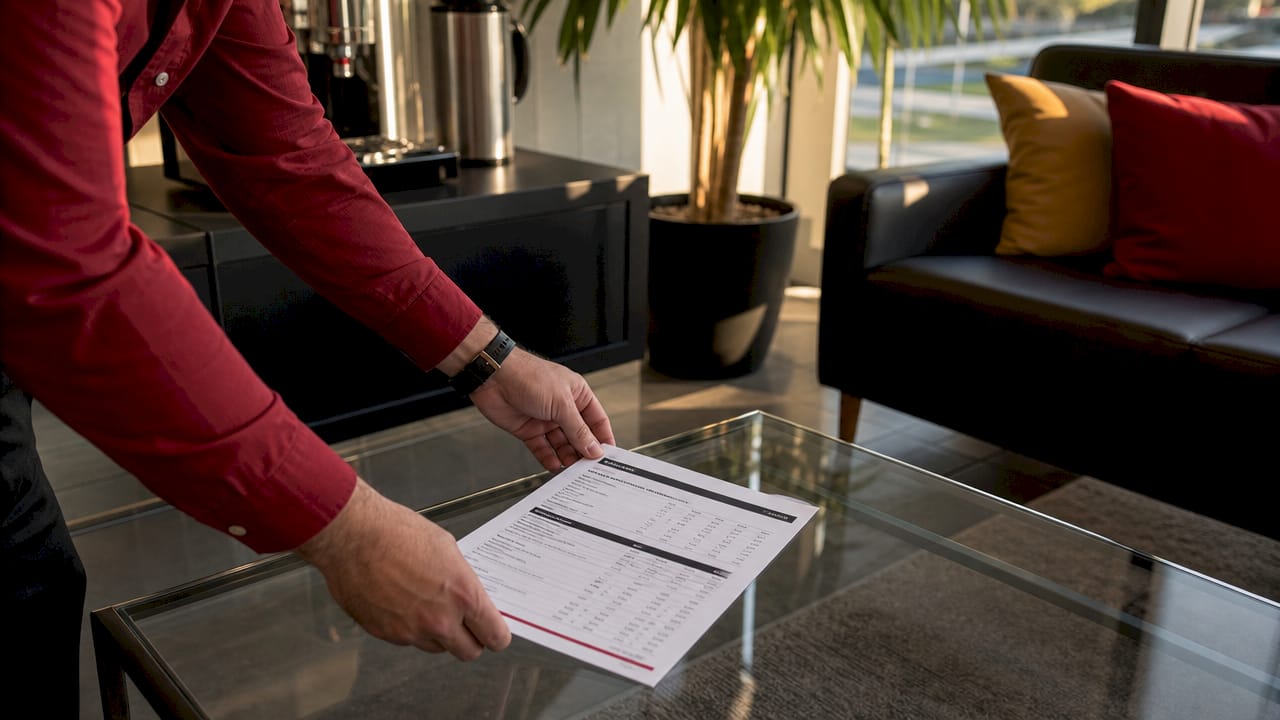
Pro Tip: Ask your shop for a written estimate that separates labor from parts. This one step lets you compare quotes accurately and spot any shop that inflates labor hours to make up for a low posted rate.
How do labor rates vary by location and shop type?
Geography is one of the biggest factors affecting labor rates, and the swings are dramatic. Rates across the US range from under $100 per hour in rural, low-cost markets to over $200 per hour in high-cost metro areas. California shops in cities like San Francisco or Los Angeles frequently approach that $200 ceiling.
| Shop type | Typical hourly rate | Key driver |
|---|---|---|
| Rural independent shop | $85–$110 | Low overhead, limited competition |
| Suburban independent shop | $120–$150 | Moderate overhead, competitive market |
| Urban independent shop | $140–$175 | High rent, higher technician wages |
| Franchise or chain shop | $130–$160 | Standardized pricing, volume discounts |
| New car dealership | $160–$200+ | Factory-trained techs, specialty tools |
Dealerships sit at the top of that table for a reason. Dealer rates run $20–$40 higher than independent shops because they employ factory-trained technicians and invest in brand-specific diagnostic equipment. You pay a premium, but you also get warranty-backed service and technicians who know your vehicle’s platform inside and out.
Understanding the types of DFW auto repair shops available in your area helps you match the right shop to the right job. A routine oil change does not need a dealership rate. A complex transmission issue on a vehicle still under warranty might.
“The shop with the lowest posted rate is not always the cheapest option. A shop charging $140 per hour with accurate labor time estimates will often cost you less than one charging $110 per hour with inflated hours on the estimate.”
Local competition also shapes pricing. A market with many shops fighting for the same customers tends to keep rates in check. A town with one or two shops has less pressure to compete on price, and rates reflect that reality.
What are flat-rate versus hourly pricing methods?
Two billing systems dominate the auto repair industry, and knowing the difference protects your wallet.
Flat-rate pricing is the most common method. Flat-rate billing charges customers based on a standardized labor time for each job, regardless of how long the technician actually takes. Industry guides like Mitchell and AllData publish these standard times. A brake pad replacement might be listed at 1.5 hours. The shop bills you for 1.5 hours whether the job takes 45 minutes or two hours.
Hourly pricing bills you for the actual clock time a technician spends on your vehicle. This method is less common but appears in some specialty shops and for unusual or exploratory diagnostic work.
Here is how each method plays out for you as a car owner:
- Flat-rate gives you cost certainty upfront. You know the labor charge before the work starts. There are no surprises if the job runs long.
- Flat-rate can work against you on simple jobs. If a technician finishes in half the standard time, you still pay the full flat-rate amount.
- Hourly pricing rewards efficiency on complex jobs. If a skilled technician solves a tricky electrical problem faster than the flat-rate guide assumes, you pay less.
- Hourly pricing carries risk on open-ended work. Diagnostic jobs billed hourly can climb quickly if the root cause is hard to find.
- Always ask which method applies before authorizing work. A shop is required to disclose its billing method on a written estimate in most states.
Pro Tip: For any repair over $300, ask the shop to show you the labor time guide entry they used. This takes 30 seconds and immediately signals whether the shop is billing fairly.
Learning how auto repair estimates work in Texas shops gives you a clearer picture of what to expect on paper before you hand over your keys.
How can you use labor rate knowledge to budget smarter?
Knowing the posted rate is only half the equation. Experts recommend comparing total labor cost, calculated as hours multiplied by rate, rather than the hourly rate alone. A shop charging $155 per hour for a job estimated at one hour costs less than a shop charging $130 per hour for the same job estimated at 1.5 hours.
Here is a practical checklist for budgeting any repair:
- Get at least two written estimates. Written estimates let you compare both the rate and the labor hours side by side.
- Ask for a parts-versus-labor breakdown. Transparent billing that separates parts from labor costs builds trust and makes it easier to spot markups.
- Research the standard labor time independently. Free resources and automotive forums often list typical repair times for common jobs on specific vehicle models.
- Factor in warranty coverage. A shop offering a 24-month or 36-month parts-and-labor warranty on repairs adds real value that justifies a higher rate.
- Ask about the effective labor rate. The effective labor rate, or ELR, is the actual revenue a shop earns per technician hour after discounts and unbillable time. Shops that track ELR tend to price more accurately and offer fewer surprise charges.
Shops that price fairly will answer these questions without hesitation. A shop that gets defensive when you ask for a breakdown is sending you a signal worth heeding. You can also read more about reducing car repair costs without sacrificing quality.
Key Takeaways
The automotive labor rate is a bundled hourly charge covering technician wages, shop overhead, and profit margin, and understanding each layer gives car owners the tools to compare quotes accurately and budget repairs with confidence.
| Point | Details |
|---|---|
| Labor rate is not technician pay | The posted rate bundles wages, overhead, and profit, not just what the mechanic earns. |
| National benchmarks in 2026 | Independent shops average $120–$159 per hour; dealerships often exceed $180. |
| Geography drives big differences | Rates range from under $100 in rural markets to over $200 in high-cost cities. |
| Compare total cost, not just rate | Multiply hours by rate to get the real comparison number across competing quotes. |
| Flat-rate is the dominant billing method | Standard labor times set the charge regardless of actual repair time in most shops. |
What I’ve learned about labor rates that most articles skip
Most car owners focus entirely on the hourly rate when they get an estimate. That is the wrong number to fixate on. I have seen car owners reject a $150-per-hour shop in favor of a $120-per-hour shop and end up paying more because the cheaper shop padded the labor hours.
The mechanic wage versus posted rate confusion is the biggest misconception I run into. People see a $140 per hour charge and assume the technician pockets most of it. In reality, technicians earn $25–$40 per hour in wages. The rest covers rent, insurance, equipment, and the shop’s ability to stay in business and stand behind its work.
Higher rates sometimes signal better outcomes. A shop staffed with ASE-certified technicians, carrying proper insurance, and offering a meaningful warranty has higher fixed costs. Those costs show up in the rate. That is not price gouging. That is a shop investing in the quality of its work and the protection it offers you.
My honest advice is to build a relationship with one shop you trust before you need a major repair. Ask questions when the stakes are low, like during an oil change or tire rotation. A shop that communicates clearly on a $60 service will communicate clearly on a $1,200 repair. Transparency in labor billing is the clearest sign of a shop worth keeping.
— Hassan
Straightforward repair pricing at Expresslubearlington
Understanding labor rates is a lot easier when your shop shows its work. At Expresslubearlington, our ASE-certified technicians provide clear, itemized estimates that separate labor from parts so you always know exactly what you are paying for and why.
Expresslubearlington is a RepairPal Certified Shop and a CarFax Top-Rated Service Center, which means our pricing and workmanship meet independently verified standards. Whether you need a routine oil change or a more involved repair, you can count on honest labor charges and no surprise line items. Check out our certified repair services and see why drivers across the DFW area keep coming back. You can also browse our mechanical repair coupon to save $45 on your next visit.
FAQ
What is the average automotive labor rate in the US?
The national average for automotive labor rates in 2026 ranges from $120 to $159 per hour at independent shops. Dealerships typically charge $20–$40 more per hour due to factory-trained technicians and specialty equipment.
Why is the labor rate so much higher than what mechanics earn?
The posted labor rate covers far more than technician wages. It includes rent, insurance, utilities, diagnostic tools, and a profit margin, which is why rates of $120–$160 per hour coexist with technician wages of $25–$40 per hour.
What is flat-rate billing in auto repair?
Flat-rate billing charges customers based on a standardized labor time for a specific job, regardless of how long the repair actually takes. Most shops use published labor time guides from sources like Mitchell or AllData to set these standard times.
How do I compare repair quotes accurately?
Multiply each shop’s hourly rate by its estimated labor hours to get the total labor cost. A shop with a higher rate but fewer estimated hours often costs less overall than a lower-rate shop with inflated time estimates.
Does shop type affect the labor rate I pay?
Yes. Dealerships charge the most due to brand-specific training and tools. Independent shops in suburban or rural areas typically offer the lowest rates. Specialty shops and urban independents fall in between, depending on local market conditions.