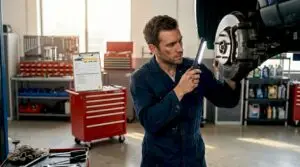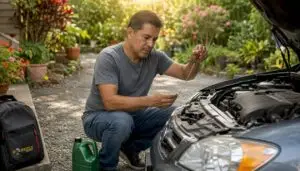

Regular vehicle maintenance is the single most direct thing you can do to prevent accidents before they happen. The role of vehicle upkeep in safety comes down to this: a well-maintained car responds when you need it most, whether that’s an emergency stop on a wet highway or navigating an unexpected road hazard at 65 mph. Neglect the basics, and you’re not just risking a breakdown. You’re risking lives.
Here’s what proper upkeep protects you from:
- Mechanical failures that cause loss of control, like brake fade or a tire blowout
- Reduced visibility from worn wipers or cracked windshields
- Fluid system failures that compromise braking and engine cooling
- Missed recalls that leave known safety defects unaddressed
- Sluggish emergency response when your vehicle can’t perform under pressure
NHTSA and FMCSA both tie systematic vehicle inspection directly to accident prevention. Preventive maintenance isn’t just good practice. It’s the foundation of road safety.
Table of Contents
- How vehicle upkeep directly shapes your safety on the road
- Warning signs you should never ignore
- Best practices that keep your vehicle safe year-round
- Expresslubearlington keeps DFW drivers safe, not just running
- FAQ
- Key Takeaways
How vehicle upkeep directly shapes your safety on the road
Every critical safety system in your car depends on consistent maintenance. Let’s break down the components that matter most.
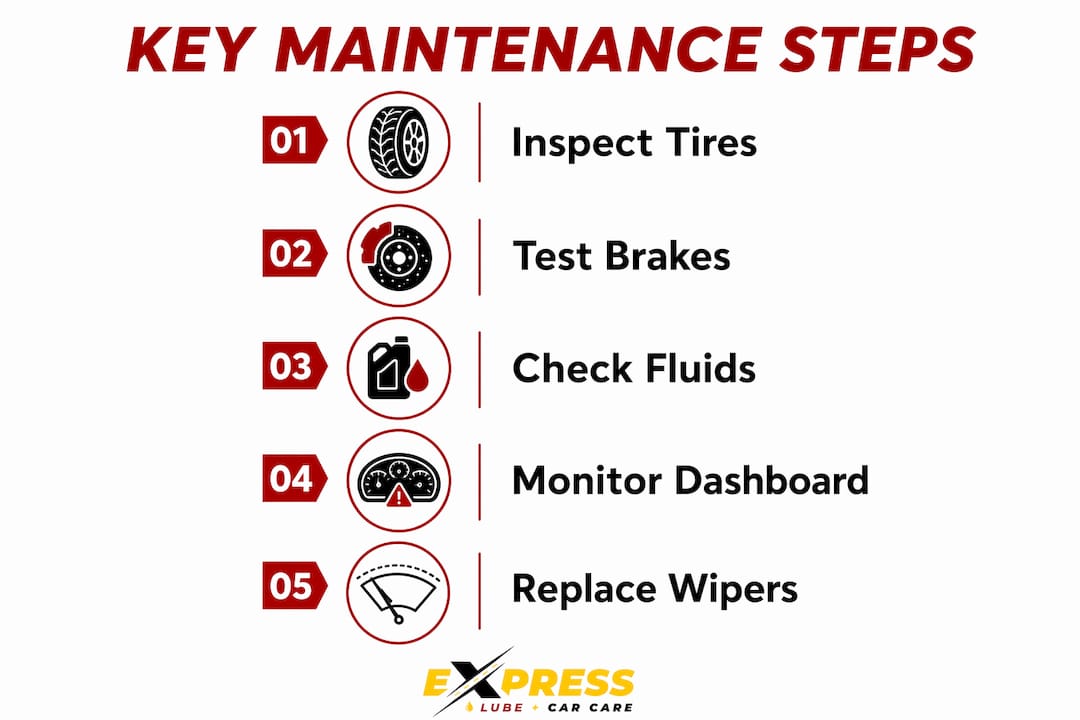
Tires
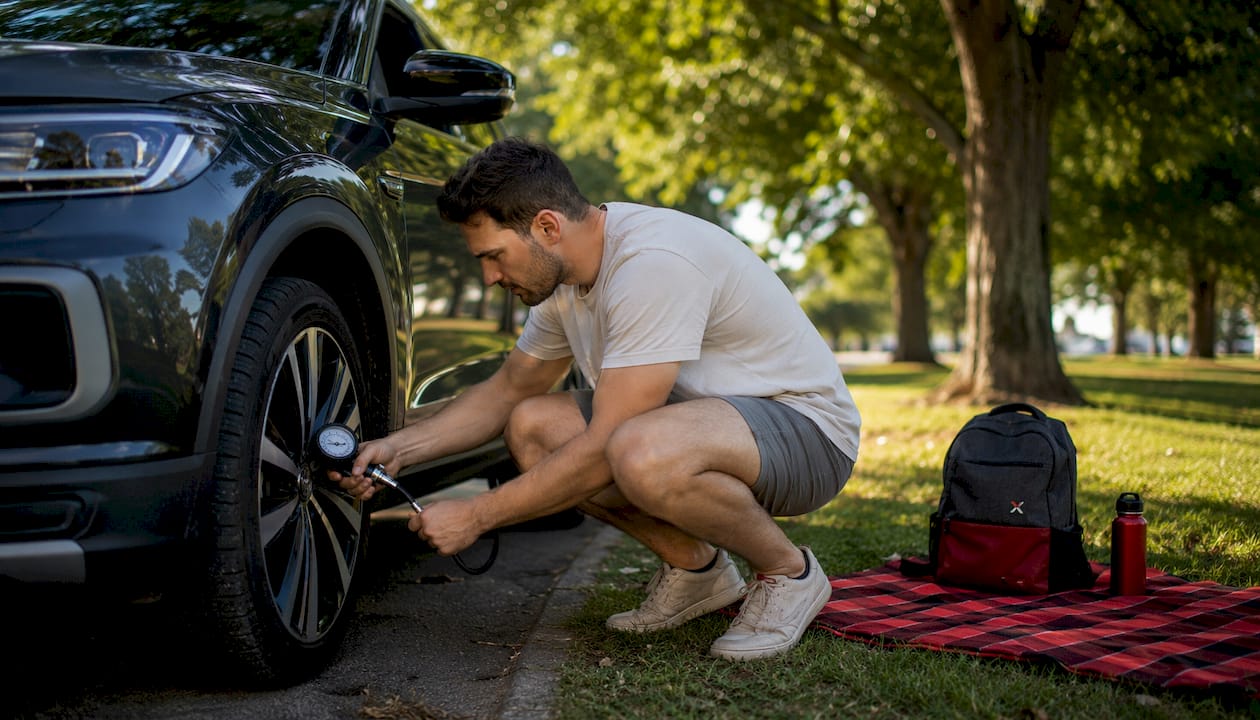
Your tires are the only part of your vehicle actually touching the road. That makes them your first and last line of defense. Under-inflation is the top cause of tire failure and related accidents, yet only 19% of drivers properly inflate their tires. Properly inflated tires can extend tire life by 4,700 miles on average and reduce tire-related crashes. In 2024, tire-related crashes claimed 511 lives on U.S. roads.
Key tire maintenance actions:
- Check pressure monthly and before long trips
- Inspect tread depth; replace tires when tread wears below 2/32 of an inch
- Rotate tires every 5,000–8,000 miles (or per your owner’s manual)
- Get wheel alignment and balancing done by a qualified technician
- Never ignore a lit TPMS warning light; it means at least one tire is already significantly underinflated
Brakes
Brakes are your most direct safety tool. Worn brake pads, low fluid, or a spongy pedal aren’t just inconveniences. They’re the car sending up a flare. FMCSA standards link even minor brake defects directly to severe accidents. Federal vehicle inspection standards under 49 CFR Part 570 require brake systems to hold firm under a 125-pound pedal force with no perceptible drop in pedal height.
Watch for these brake warning signs:
- Squealing or grinding when you stop
- Pulling to one side under braking
- Spongy or low brake pedal feel
- Vibration through the steering wheel when braking
Warning lights and the instrument panel
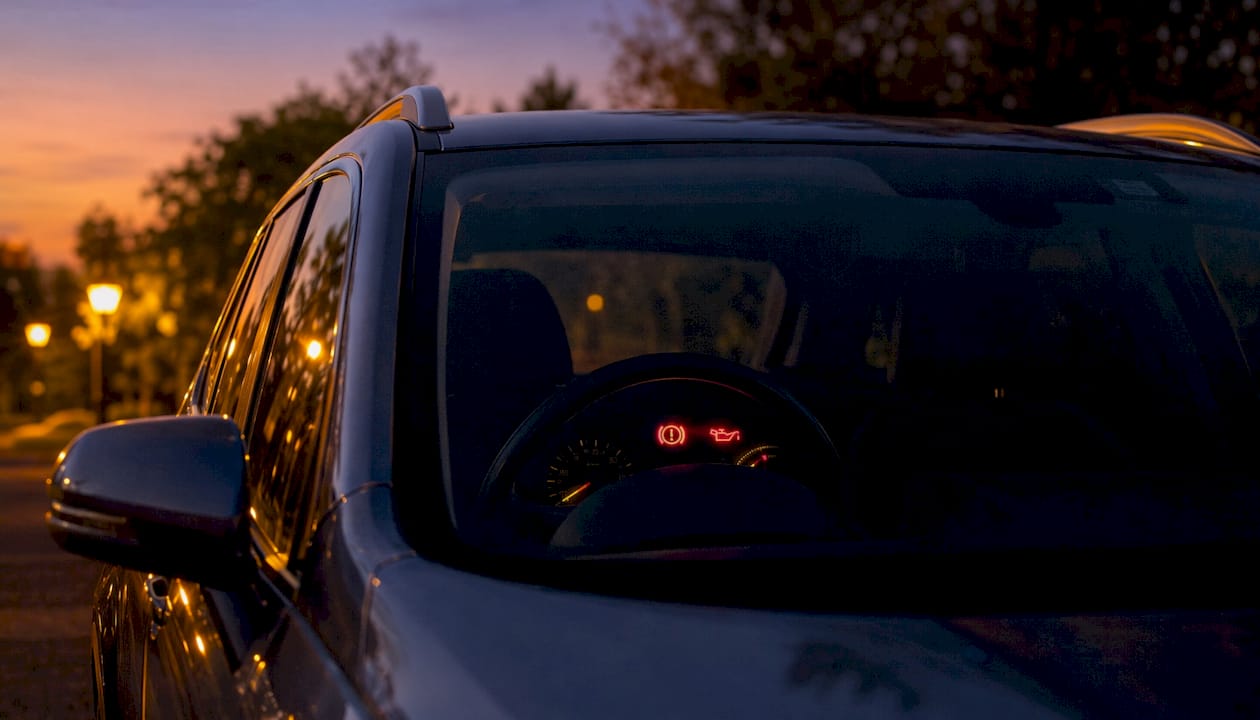
Your dashboard is your car’s way of talking to you. A check engine light, oil pressure warning, or battery alert isn’t something to tape over with a piece of electrical tape and ignore. These lights exist because something in the system needs attention. Address them promptly, before a minor issue becomes a roadside emergency.
Windshield and wipers
Visibility is safety. A cracked windshield or streaky wiper blades can cut your reaction time dramatically in rain or glare. Replace wiper blades at least once a year, or whenever they start skipping or leaving streaks. In winter conditions especially, clear visibility is non-negotiable.
Fluids
Think of your vehicle’s fluids as its bloodstream. Oil lubricates the engine, coolant prevents overheating, and brake fluid transfers the force from your pedal to your calipers. Sludgy, rusty, or oily brake or coolant fluids signal system failure that goes beyond a simple top-off. These conditions require immediate professional attention.
Warning signs you should never ignore
Catching a problem early is the difference between a $50 fix and a $2,000 repair, or worse, an accident. Here’s how to read what your car is telling you.
| Warning Sign | Urgency | Action |
|---|---|---|
| TPMS light illuminated | Immediate | Check and inflate all tires; inspect for damage |
| Brake grinding or squealing | Immediate | Schedule brake inspection same day |
| Spongy brake pedal | Immediate | Do not drive; call a mechanic |
| Fluid puddle under car | Within days | Identify fluid type; get professional diagnosis |
| Check engine light (steady) | Within a week | Run diagnostic scan; address root cause |
| Wiper streaking or skipping | Within weeks | Replace wiper blades |
| Uneven tire wear | Within weeks | Alignment and rotation check |
Weather makes everything more urgent. Cold temperatures drop tire pressure roughly 1 PSI for every 10°F drop in temperature. Summer heat accelerates brake fluid degradation and coolant breakdown. If you’re heading into a season change, treat it as a trigger for a full inspection, not just a tire pressure check.
DIY checks vs. professional inspections
You can handle a lot yourself: monthly tire pressure checks, fluid level top-offs, visual brake pad inspection through the wheel spokes, and wiper blade swaps. These quick checks take minutes and catch obvious problems early. A solid car inspection checklist makes this even easier to stay consistent.
What you can’t DIY: brake system integrity testing, coolant pH and corrosion inhibitor testing, suspension component inspection, and anything involving your vehicle’s safety recall status. Those need a trained eye and the right equipment.
Best practices that keep your vehicle safe year-round
The best maintenance strategy isn’t reactive. It’s a system. FMCSA’s Safety Management Cycle for vehicle maintenance emphasizes defined roles, written procedures, training, and corrective actions as the backbone of any reliable safety program. The same logic applies to your personal vehicle.
Tune-ups, oil changes, battery checks, and tire rotations done on schedule significantly reduce the likelihood of breakdowns and accidents. If you’ve bought a used vehicle or don’t know its full history, unknown service history demands a comprehensive checkup by a qualified mechanic right away. You can’t manage what you don’t know.
NHTSA recommends checking for safety recalls biannually using the SaferCar app or NHTSA.gov/Recalls by VIN or license plate. Recall repairs at authorized dealers are free. There’s no reason to drive a car with a known, unaddressed safety defect.
Keeping detailed maintenance records is one of the most underrated safety habits a driver can build. Your service history is essentially your car’s safety record. It tells you what’s been done, what’s due, and what a mechanic needs to know before touching your vehicle.
Pro Tip: Always check tire pressure when the tires are cold, meaning the car hasn’t been driven for at least three hours. Heat from driving artificially inflates the reading. And get your recommended pressure from the sticker inside your driver’s door or your owner’s manual, not the tire sidewall. The sidewall number is the tire’s maximum capacity, not your vehicle’s recommended setting.
When it comes to professional service, ASE-certified technicians bring a level of diagnostic precision that protects you from both missed problems and unnecessary repairs. Shop certifications from RepairPal and recognition from CarFax are meaningful signals that a shop holds itself to a documented standard of quality. A scheduled maintenance plan built around your mileage and driving conditions is the most reliable way to stay ahead of safety issues before they become emergencies. For a deeper look at what preventive care actually covers, the preventive maintenance guide from Expresslubearlington walks through the full picture.
Expresslubearlington keeps DFW drivers safe, not just running
If you’ve made it this far, you already know that staying safe on the road isn’t about luck. It’s about staying ahead of the problems your car can’t hide forever.
Expresslubearlington is a full-service mechanic shop in Arlington, TX, built for drivers who want real answers and real repairs, not just a quick oil change and a wave goodbye. Our ASE-certified technicians handle everything from routine oil changes to complex repairs, and we back our work with a 24-month repair warranty. We’re a RepairPal Certified Shop and a CarFax Top-Rated Service Center, which means our standards aren’t self-reported. They’re verified. Stop by or schedule your visit today and let us give your vehicle the safety check it deserves.
FAQ
Why does regular maintenance matter so much for safety?
Consistent upkeep keeps critical systems like brakes, tires, and fluids performing as designed, which directly prevents mechanical failures that cause accidents. NHTSA and FMCSA both link systematic inspection and repair to measurable reductions in road incidents.
What is the 30-60-90 rule for cars?
The rule of regular, spaced service intervals refers to mileage-based maintenance checks where major components like spark plugs, belts, coolant, and transmission fluid are inspected or replaced. Your owner’s manual specifies what applies to your vehicle at each interval.
How often should I check my tire pressure?
Check tire pressure at least once a month and before any long trip, always when the tires are cold. The correct pressure is listed on the sticker inside your driver’s door or in your owner’s manual, not on the tire sidewall.
When should I see a professional instead of doing it myself?
DIY checks work well for fluid levels, tire pressure, and visual inspections. Brake system testing, suspension inspection, coolant chemistry checks, and anything flagged by a dashboard warning light need a professional with the right tools and training.
Key Takeaways
Consistent vehicle upkeep is the most direct way to prevent accidents, because it keeps brakes, tires, fluids, and safety systems performing reliably when you need them most.
| Point | Details |
|---|---|
| Tires are your top safety priority | Under-inflation is the leading cause of tire failure; only 19% of drivers inflate tires correctly. |
| Brake warning signs demand same-day action | Grinding, squealing, or a spongy pedal means stop driving and get an inspection immediately. |
| Cold-tire pressure checks are non-negotiable | Always measure pressure after 3+ hours of rest; use the door-sticker spec, not the sidewall number. |
| Maintenance records are a safety tool | A documented service history helps mechanics catch gaps and prevents repeat failures. |
| Expresslubearlington backs every repair | As a RepairPal Certified, CarFax Top-Rated shop with ASE-certified technicians, it offers a 24-month warranty on repairs. |